What does Ferments / Probiotics do?#
Fermented skincare ingredients contain beneficial byproducts from bacteria and yeast fermentation, including peptides, polysaccharides and organic acids that help skin hold on to moisture and feel comfortable.
Benefits
- Helps skin hold on to moisture for a hydrated, comfortable feel
- Helps the skin surface look calmer, smoother and more even
- Provides gentle, comforting support, and is well tolerated by most skin types, including sensitive skin
How it works
Fermented skincare ingredients are the beneficial byproducts of bacterial and yeast fermentation, including peptides, polysaccharides and organic acids that help skin hold on to moisture. These components help support a healthier-looking, more resilient skin surface and help the skin look calmer, smoother and more even in surface texture. They promote a well-conditioned skin surface that looks and feels calm and hydrated.
How to use Ferments / Probiotics#
Best time
The form you have will say whether it belongs to the morning, the evening or both.
How often
There is nothing to build up to — a full amount is fine from the first day.
Where it goes
On clean skin, before anything heavier: an essence goes on first, a serum after it and before moisturizer.
Where to apply
Across the whole face, and gentle enough to bring close to the eye area.
How to apply
Press it in rather than rubbing.
Sun
It isn't one of the actives we flag for extra sun care, so a form used in the morning needs nothing beyond your usual sunscreen.
What to expect
Most people have no settling-in period to work through, and what does change builds gradually over weeks.
If it doesn't suit
If a ferment product stings, the alcohol or fragrance in that particular formula is a likelier cause than the ferment itself — try a different product.
Fermented skincare ingredients are generally well tolerated. These products contain fermentation byproducts, not live bacteria. Discontinue use if irritation or a rash occurs.
Forms you will see it in
Galactomyces ferment essence
- Where it goes
- After cleansing, morning or evening
- How often
- Daily
- Strength
- Gentle
- Sun sensitivity
- None
Ferment serum
- Where it goes
- Before moisturizer, morning or evening
- How often
- Daily
- Strength
- Gentle
- Sun sensitivity
- None
Using Ferments / Probiotics with other ingredients
Pairs well with Ferments / Probiotics
Panthenol (B5)
Works well togetherBoth are gentle, hydrating steps that sit comfortably together for a calm, well-conditioned feel.
Centella asiatica
Works well togetherFerments help condition the skin surface while centella helps it look calm and comfortable.
Niacinamide
Works well togetherBoth support a healthy-looking moisture barrier through complementary approaches.
What not to use with Ferments / Probiotics
Nothing flagged. None of the ingredients this wiki covers needs to be kept apart from Ferments / Probiotics — check the label of anything not covered here.
Who should avoid Ferments / Probiotics?#
Six situations change whether Ferments / Probiotics suits your skin right now. Each one is either a reason to skip it, a reason to go slowly, or nothing to watch for.
- Fragile or Sensitive
- Go slowly
- Recent Facial or Laser
- Go slowly
- Maternity & Nursing
- No caution
- Prone to Redness
- No caution
- Dry or Itchy Patches
- No caution
- Recent Shave or Wax
- No caution
Fragile or Sensitive — Use it less often — or stop — if it feels uncomfortable, and keep it off skin that’s broken, cut or sunburned.
Recent Facial or Laser — Wait until your skin feels settled before reintroducing — typically 7 to 14 days after a facial or laser appointment.
Cosmetic strength limits for Ferments / Probiotics where you live#
| Region | Most a cosmetic may contain | |
|---|---|---|
 United States United States | No explicit cap | |
The FDA restricts a short list of ingredients and sets no general strength ceiling on the rest. A figure marked "guidance, not law" is the Cosmetic Ingredient Review panel's recommendation. 21 CFR part 700, subpart B — Requirements for Specific Cosmetic Products (FDA) | ||
 Canada Canada | No explicit cap | |
One list does the work — Health Canada's Hotlist of prohibited and restricted cosmetic ingredients. | ||
 European Union European Union | No explicit cap | |
The Cosmetics Regulation's annexes, consolidated to 1 May 2026. A figure marked "guidance, not law" comes from the EU's cosmetic safety committee rather than from the annexes. | ||
 Great Britain Great Britain | No explicit cap | |
Great Britain kept the annexes as its own law and updates them only when it chooses; Northern Ireland follows the live EU Regulation, which is why some rows read differently for each. Regulation (EC) No 1223/2009 as it applies in Great Britain · Regulation (EC) No 1223/2009, Annexes II–VI | ||
 India India | No explicit cap | |
India writes its own standard, aligned to the European rules as they stood in 2012. Mandatory since 9 February 2026. IS 4707 (Part 2):2025 — restricted and prohibited cosmetic ingredients · IS 4707 (Part 3):2025 — preservatives · Cosmetics Rules, 2020, Ninth Schedule | ||
 Brazil Brazil | No explicit cap | |
ANVISA rewrote its restricted list in June 2026, and a companion act amended the prohibited list at the same time. RDC 1.029/2026 — restricted ingredients · RDC 529/2021 — prohibited ingredients, as amended by RDC 1.030/2026 · RDC 528/2021 — preservatives | ||
 Japan Japan | No explicit cap | |
Japan's cosmetics standard keeps drug ingredients out of cosmetics, so most of its figures sit in the ministry's list of the ones a cosmetic may still contain. Cosmetics Standards (化粧品基準), Ministry of Health, Labour and Welfare · Cosmetics Standards — the ministry's own English translation · Drug ingredients permitted in cosmetics — 2007 notification | ||
 South Korea South Korea | No explicit cap | |
One MFDS regulation carries both the prohibited list and the restricted list, in force 18 March 2026. Sunscreens and a few other categories are cleared product by product instead. Regulation on Safety Standards for Cosmetics (MFDS Notification 2026-19) · Regulation on the Review of Functional Cosmetics (MFDS Notification 2025-88) | ||
 Kenya Kenya | No explicit cap | |
Kenya's standard applies the EU annexes as they stand rather than copying them, so its ingredient limits are the EU's — including the 2024 additions. A figure marked "guidance, not law" sits outside the annexes and does not carry over. KS EAS 377-1, -2 and -3:2022 — cosmetics safety requirements, published by KEBS · Regulation (EC) No 1223/2009, Annexes II–VI | ||
 Namibia Namibia | No explicit cap | |
Namibia sets no ingredient limits at all. Its cosmetic rule is a single line requiring a product to be free of any harmful ingredient. Foodstuffs, Cosmetics and Disinfectants Ordinance 18 of 1979, and the regulations under it | ||
 Ukraine Ukraine | No explicit cap | |
Ukraine's own transposition of the EU annexes, as they stood before the 2024 additions, fully in force since 3 August 2026. A further revision is due on 1 February 2027. Technical Regulation on cosmetic products — Cabinet Resolution No. 65 of 20 January 2021 | ||
 Georgia Georgia | No explicit cap | |
Georgia has no cosmetics rulebook — its register of technical regulations carries no cosmetics entry — so only the general product-safety duty applies. | ||
 Australia Australia | No explicit cap | |
Australia writes no cosmetic ingredient list. A figure here is the point at which a substance becomes a medicine or a scheduled substance carrying Caution labeling, so its numbers sit well above other markets'. Poisons Standard — June 2026 · Therapeutic Goods (Excluded Goods) Determination 2018 | ||
 United Arab Emirates United Arab Emirates | No explicit cap | |
The Gulf standard points at the EU annexes as amended, so its ingredient limits are the EU's. A figure marked "guidance, not law" sits outside the annexes and does not carry over. GSO 1943:2024 — Cosmetic products: safety requirements (Gulf technical regulation) · Regulation (EC) No 1223/2009, Annexes II–VI | ||
 Kuwait Kuwait | No explicit cap | |
The Gulf standard points at the EU annexes as amended, so its ingredient limits are the EU's. A figure marked "guidance, not law" sits outside the annexes and does not carry over. GSO 1943:2024 — Cosmetic products: safety requirements (Gulf technical regulation) · Regulation (EC) No 1223/2009, Annexes II–VI | ||
 Hong Kong Hong Kong | No explicit cap | |
Hong Kong writes no cosmetics rulebook. Its Poisons List (Cap. 138A, Schedule 10) decides which substances may be sold only as medicines, and general safety is judged case by case against whichever overseas standard the enforcer considers reasonable. Pharmacy and Poisons Regulations (Cap. 138A), Schedule 10 — the poisons list · Pharmacy and Poisons Board — Guidance Notes on classifying pharmaceutical products, April 2026 | ||
 Singapore Singapore | No explicit cap | |
Singapore writes the ASEAN annexes into its own schedule, and its regulator tells companies to check the current ASEAN release as well — which is why a figure here can read "guidance, not law". Health Products (Cosmetic Products — ASEAN Cosmetic Directive) Regulations 2007, Third Schedule · ASEAN Cosmetic Directive annexes — release 2026-1, 22 June 2026 | ||
 Brunei Brunei | No explicit cap | |
Brunei carries the 2007 ASEAN annexes in its own schedule and has not updated them since, so it reads differently from Singapore on several ingredients. Medicines (Cosmetic Products) Regulations (Cap. 285 Rg 1), Schedule 1 — revised edition 2024 | ||
 Jordan Jordan | No explicit cap | |
Jordan's cosmetic rules defer to "the approved references" and name none of them, so there is no Jordanian figure to read. The only number in the instrument governs the ingredient list on the pack. JFDA instructions on cosmetics and pharmaceutical cosmetics, 2026 | ||
 Trinidad & Tobago Trinidad & Tobago | No explicit cap | |
Trinidad and Tobago has had the power to set cosmetic standards since 1960 and has never used it. The regulations made under the Act cover food and drugs, with no cosmetics part; what binds is the Act's general rule against selling a cosmetic that may injure the user. Food and Drugs Act, Chap. 30:01 · Food and Drugs Regulations | ||
No cosmetic regulator in the 20 markets above sets a maximum strength for ferments / probiotics. That is the state of the rules, not a signal to use more: how much goes into a product is the formulator's decision.
Open a market to see the rulebook its figure comes from. Those notes describe each market's own rules as we read them, current to August 24, 2026; the linked documents are the authority, and nothing here is legal advice.
Sample products with Ferments / Probiotics#
A few well-known products, not a full list — product names are each brand's own. We don't sell them — the shop prices them in US dollars and ships from Hong Kong, so delivery and duties come on top. It may not ship everywhere.
We may earn a small commission when you buy through these links.
Toners · 17
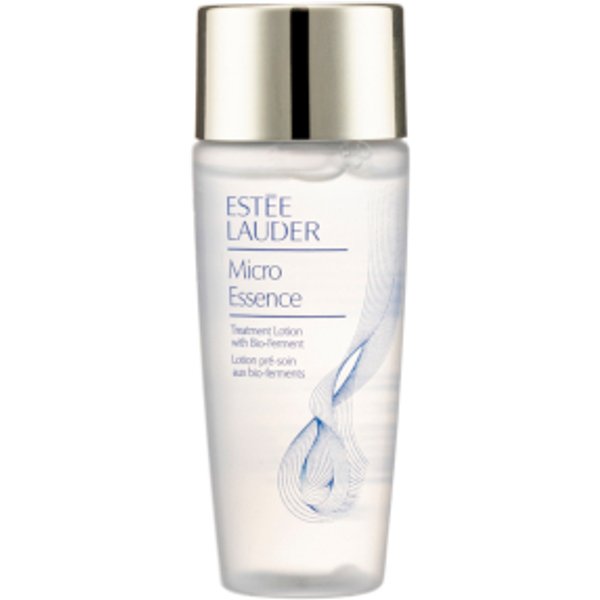 Estee LauderMicro Essence Treatment Lotion with Bio-Ferment - 30ml$8.53
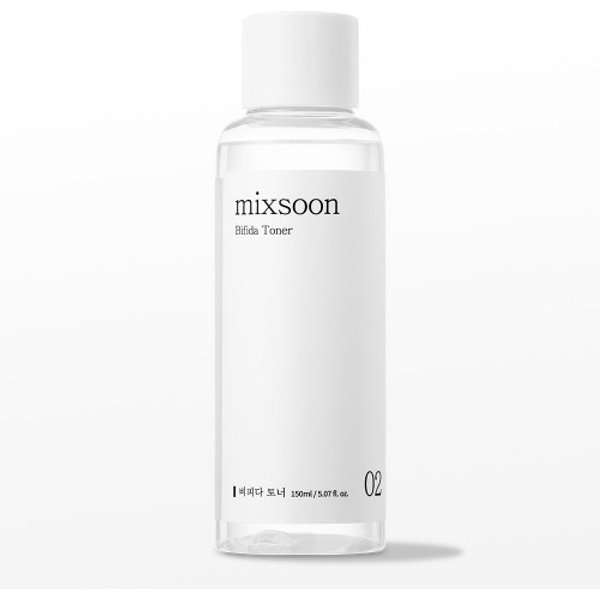 mixsoonBifida Toner - 150ml$9.75
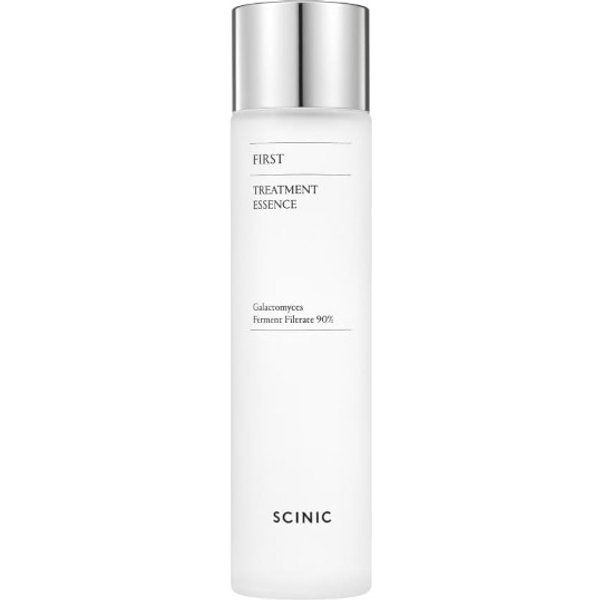 SCINICFirst Treatment Essence - 150ml$12.79
 mixsoonBifida Ferment Essence - 30ml$13.50
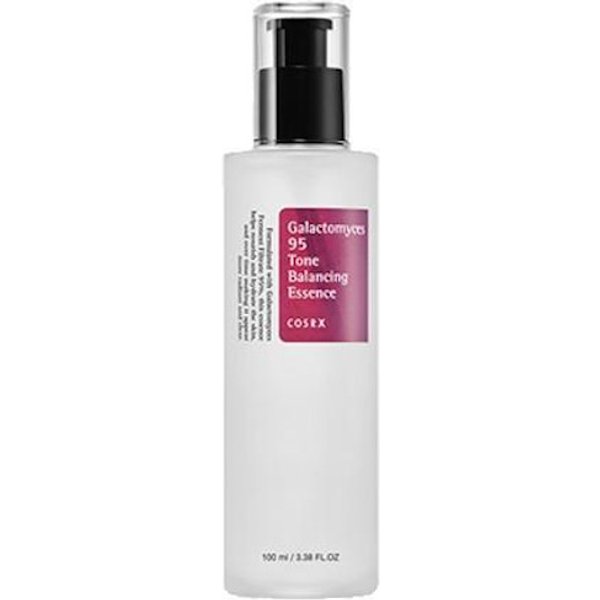 COSRXGalactomyces 95 Tone Balancing Essence - 100ml$15.00Also on Stylevana
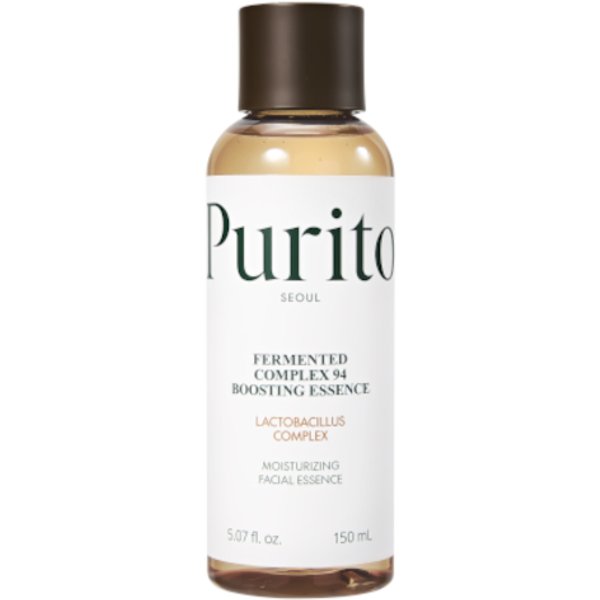 Purito SEOULFermented Complex 94 Boosting Essence - 150ml$15.40
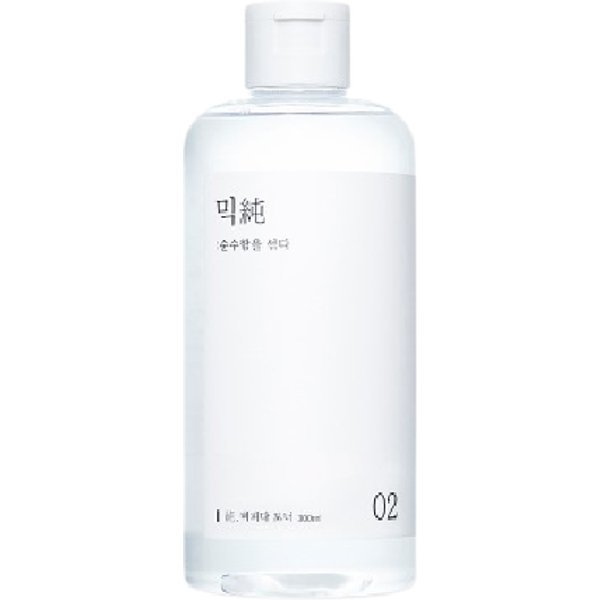 mixsoonBifida Toner - 300ml$16.25
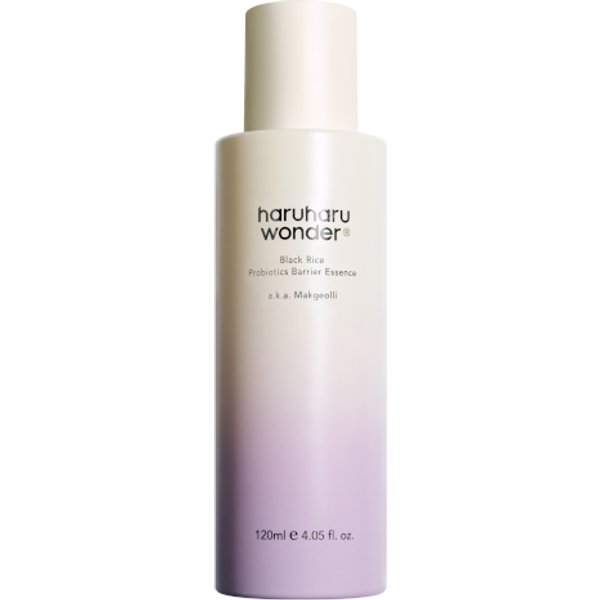 haruharu wonderBlack Rice Probiotics Barrier Essence (Milky Essence) - 120ml$16.80Also on YesStyle
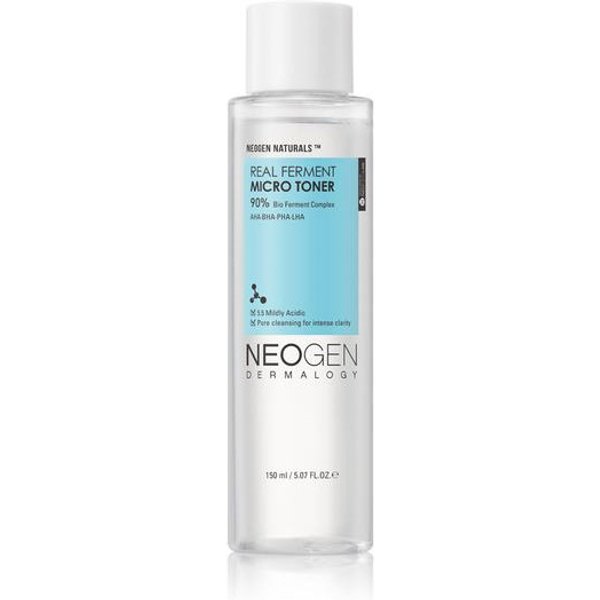 NEOGEN DermalogyReal Ferment Micro Toner - 150ml$17.60Also on YesStyle
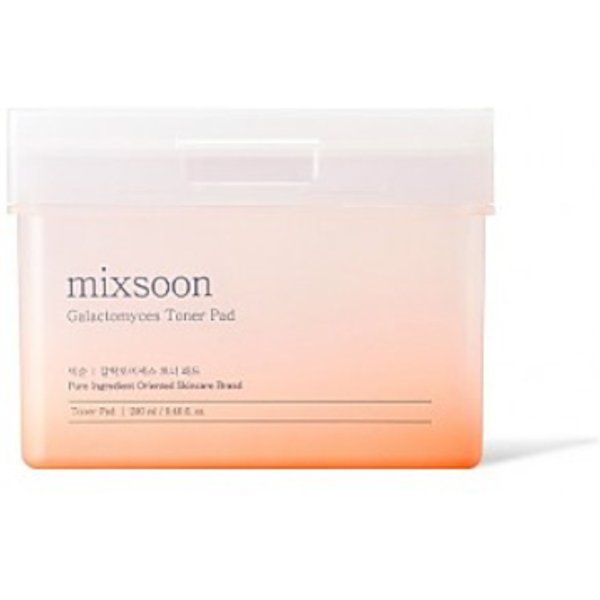 mixsoonGalactomyces Toner Pad - 60 pads$19.50Also on YesStyle
 mixsoonGalactomyces Ferment Essence - 100ml$20.80
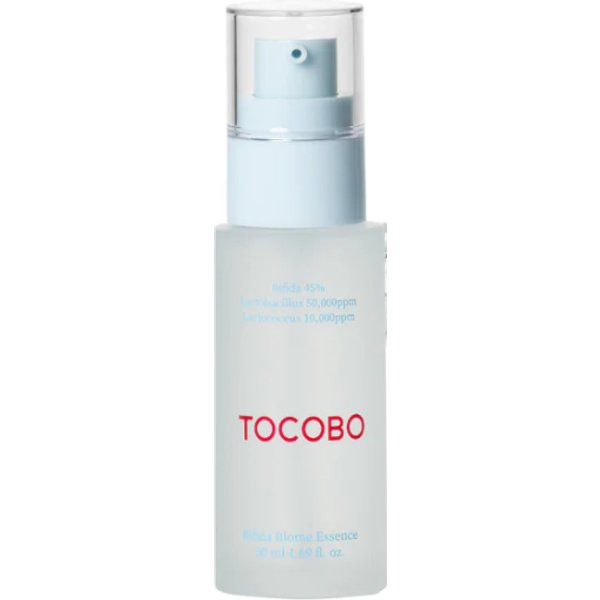 TOCOBOBifida Biome Essence - 50ml$22.40Also on Stylevana
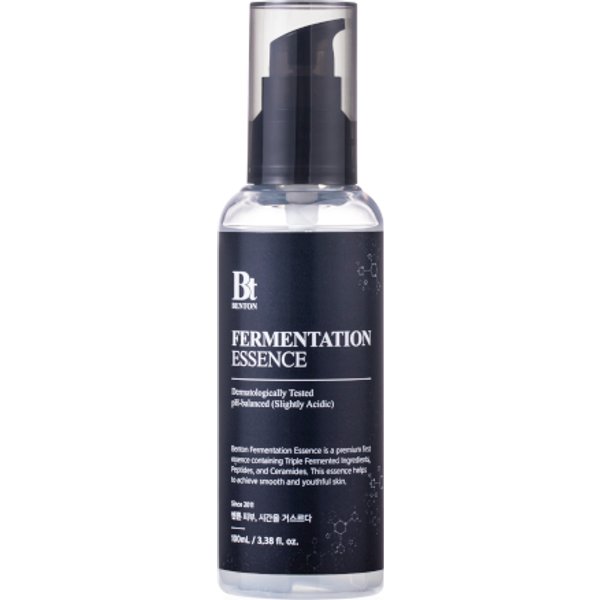 BentonFermentation Essence - 100ml$24.30
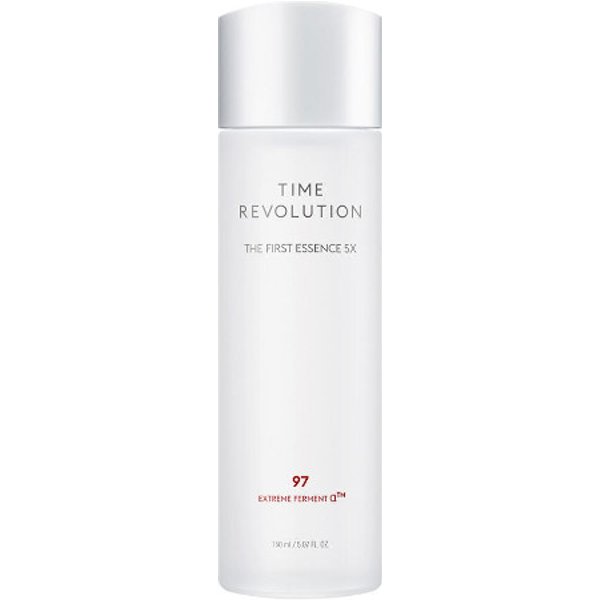 MISSHATime Revolution The First Treatment Essence 5X - 150ml$31.10
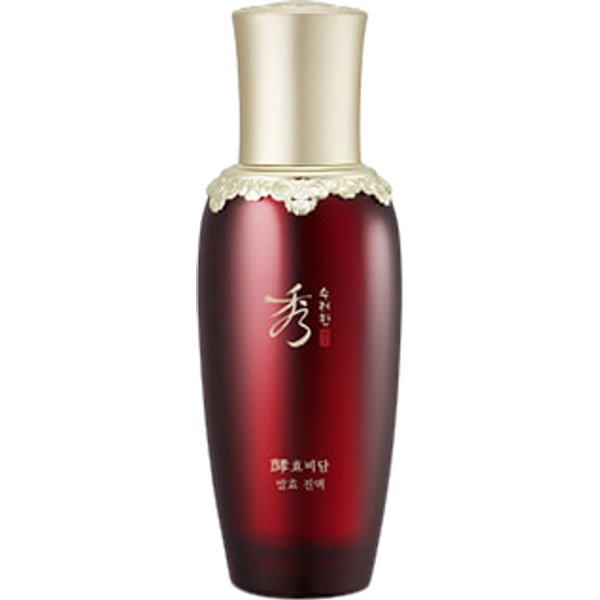 SooryehanHyobidam Fermented Essence - 45ml$55.09
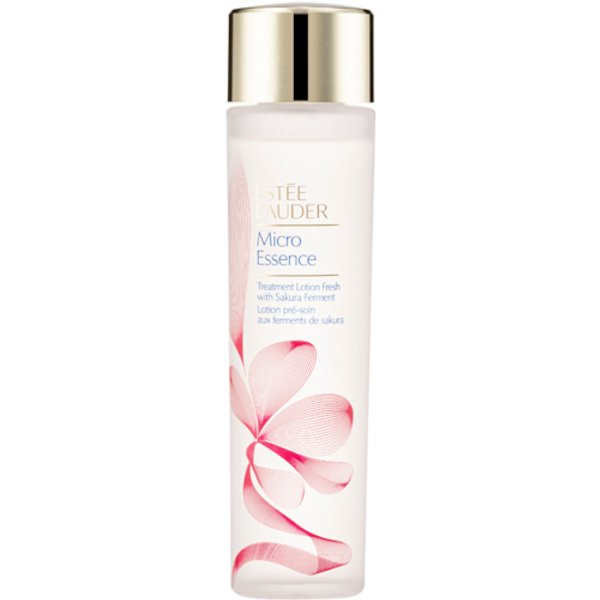 Estee LauderMicro Essence Skin Activating Treatment Lotion Fresh with Sakura Fermentt - 200ml$68.39
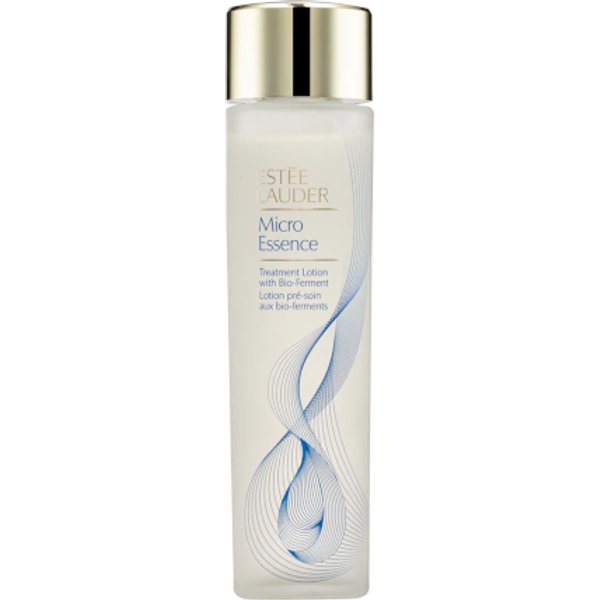 Estee LauderMicro Essence Treatment Lotion with Bio-Ferment - 200ml$73.79
Serums · 6
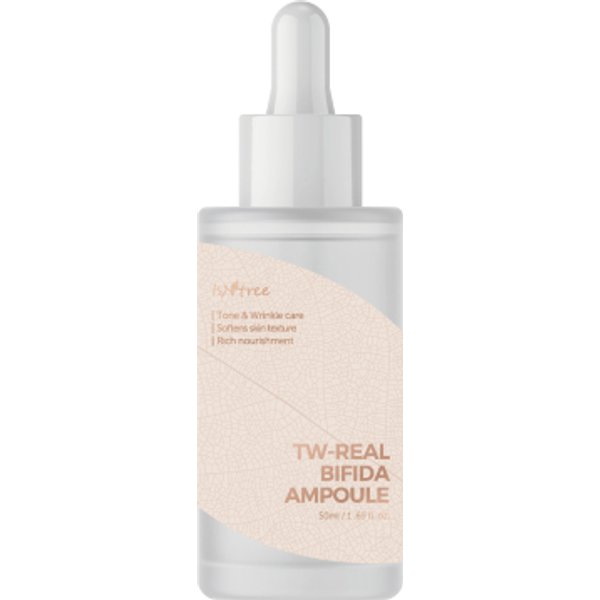 IsntreeTW-Real Bifida Ampoule - 50ml$13.73Also on YesStyle
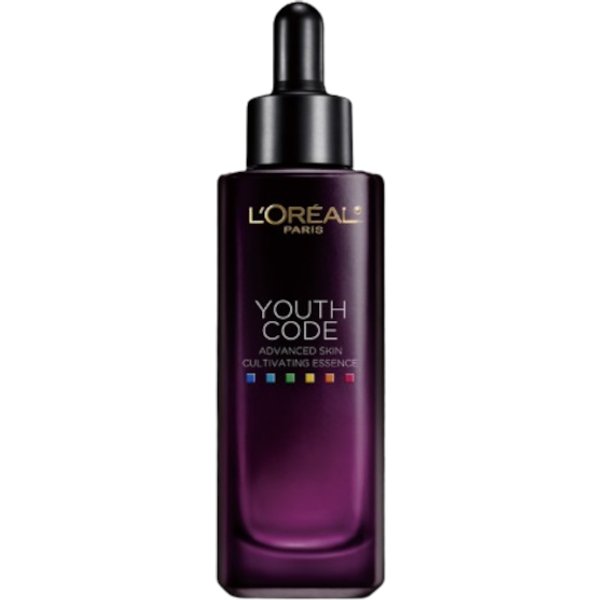 L'OREAL PARISYouth Code Skin Activating Ferment Pre-Essence Serum - 30ml$17.58
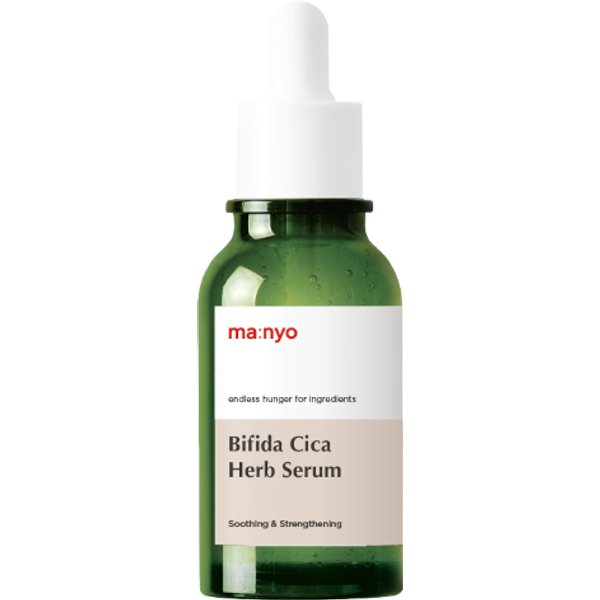 Ma:nyoBifida Cica Herb Serum - 50ml$22.50
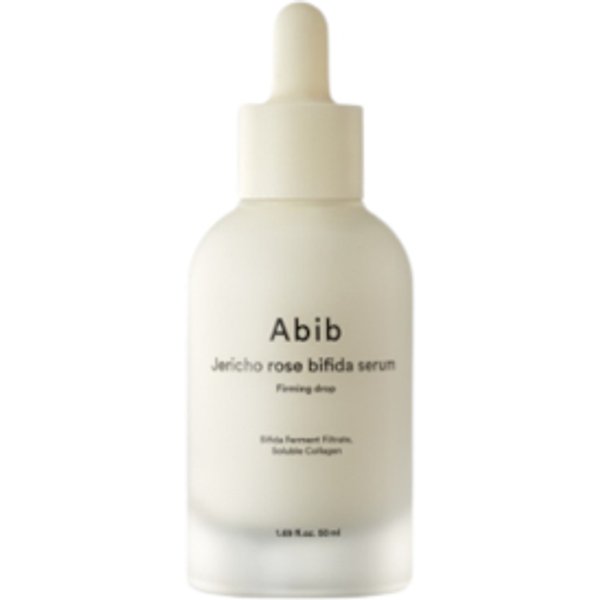 AbibJericho Rose Bifida Serum Firming Drop - 50ml$25.60
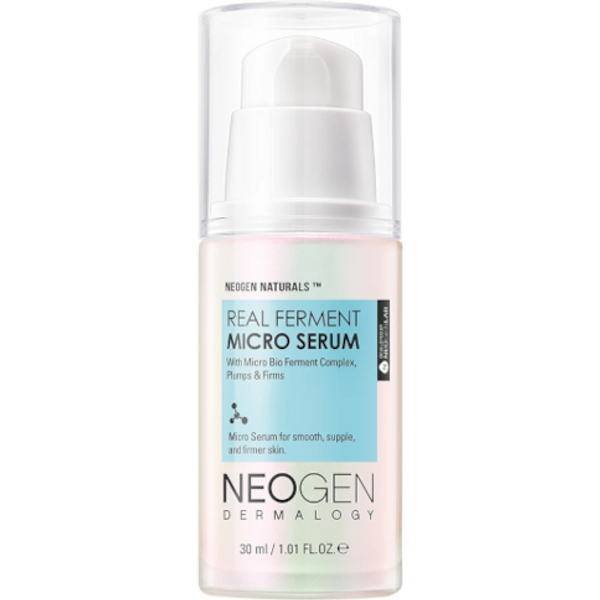 NEOGEN DermalogyREAL FERMENT MICRO SERUM - 30ml$30.40
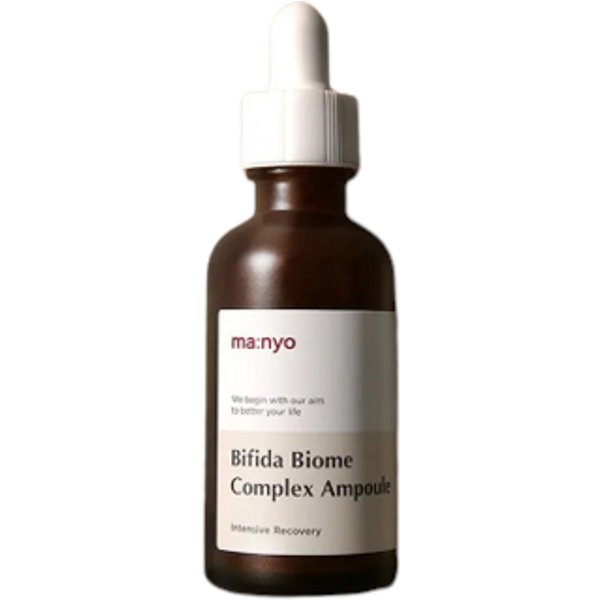 Ma:nyoBifida Biome Complex Ampoule - 50ml$31.50
Already have one? Check how it fits your skin with Pick.
Common questions about Ferments / Probiotics#
What is Ferments / Probiotics?
- The liquid left behind when yeast or bacteria ferment — the organisms are gone by the time it reaches a bottle, and what remains helps skin hold moisture.
What else is Ferments / Probiotics called?
- On a label you may see Ferment, Galactomyces, Saccharomyces, Bifida and Yeast ferment.
When should you apply Ferments / Probiotics?
- Morning or evening. The form you have will say whether it belongs to the morning, the evening or both.
Which form of Ferments / Probiotics should you use?
- Galactomyces ferment essence — after cleansing, morning or evening, daily. Ferment serum — before moisturizer, morning or evening, daily.
How often can you use Ferments / Probiotics?
- Daily.
Where do you apply Ferments / Probiotics?
- All over the face. Keep it away from your eyes and lips.
Can you use Ferments / Probiotics around the eyes?
- Yes. Ferments / Probiotics goes all over the face, the skin around the eyes included — keep it out of your eyes and off your lips.
Does Ferments / Probiotics make skin more sensitive to the sun?
- No. Ferments / Probiotics is not flagged as increasing sun sensitivity.
What should you not use with Ferments / Probiotics?
- Nothing flagged. None of the ingredients this wiki covers needs to be kept apart from Ferments / Probiotics — check the label of anything not covered here.
Who should avoid Ferments / Probiotics?
- Go slowly with Fragile or Sensitive and Recent Facial or Laser.
Is there a cosmetic limit for Ferments / Probiotics?
- No. No cosmetic regulator in the United States, Canada, the European Union or Great Britain sets a maximum strength for it. That is a limit on the rules, not a signal to use more.
Related ingredients#
How we check this#
Everything on this page traces to the sources listed below — regulators' own publications and published studies. Where the evidence does not answer a question, it is left unanswered.
Some sources below are the official product information for prescription medicines, cited for how they interact with this ingredient. We use them for their safety and handling detail only. A cosmetic product is not one of those medicines and is not intended to treat any condition.
Our review is AI-assisted and is not a named expert's opinion. Last reviewed August 4, 2026.
Think something here is out of date or wrong? Email us at wiki@skinintelligence.ai with your reasoning and where you read it. We read what people send, and we update the page when the sources support it.
Regulators and official bodies · 22
- S1Cosmetic Ingredient Review Expert Panel for Cosmetic Ingredient Safety. Safety Assessment of Yeast-Derived Ingredients as Used in Cosmetics. Final Report, December 2023. — Tier 1..
- S2Cosmetic Ingredient Review Expert Panel for Cosmetic Ingredient Safety. Safety Assessment of Lactobacillus Ferment Ingredients as Used in Cosmetics. Draft Final Report for Panel Review, September 2025 — the document is marked "Distributed for Comment Only — Do Not Cite or Quote" and is cited here as a draft, not as a settled CIR conclusion. — Tier 1 body, draft status..
- S3European Commission, CosIng — Cosmetic Ingredient Database. Entry: LACTOBACILLUS FERMENT. — Tier 1..
- S14Regulation (EC) No 1223/2009 of the European Parliament and of the Council of 30 November 2009 on cosmetic products, Annex II (prohibited substances) and Annex III (restricted substances). — Tier 1. Searched for micro-organism, bacteri-, yeast, ferment, Lactobacillus, Saccharomyces, Bifido and Galactomyces: no entry.
- S15Assimilated Regulation (EC) No 1223/2009 as it forms part of the law of the United Kingdom, Annex II and Annex III. and /annex/III — Tier 1. Same search, same absence.
- S17National Rosacea Society. Survey Shows Skin Care Products, Ingredients May Aggravate Rosacea. Rosacea Review, Summer 1997. — Tier 1 (NRS)..
- S18National Rosacea Society. Skin Care and Cosmetics. — Tier 1 (NRS)..
- S21Health Canada. Cosmetic Ingredient Hotlist: Prohibited and Restricted Ingredients, and the Hotlist tables themselves. — Tier 1. Searched for micro-organism, probiotic, bacteri-, yeast, ferment, Lactobacillus, Saccharomyces, Bifido and Galactomyces: no entry.
- S22US Food and Drug Administration. Prohibited & Restricted Ingredients in Cosmetics. — Tier 1. Same search, no entry.
- S24Roaccutane 10 mg / 20 mg soft capsules (isotretinoin) — Summary of Product Characteristics, emc. — Tier 1..
- S25Treclin 1 %/0.025 % w/w Gel (clindamycin / tretinoin) — Summary of Product Characteristics, emc. — Tier 1..
- S26MotherToBaby. Cosmetics and Cosmetic Treatments in Pregnancy and Breastfeeding. — Tier 1. Contains no ferment- or probiotic-specific statement.
- S27Differin Gel (adapalene) — Summary of Product Characteristics, emc. — Tier 1..
- S28Tetralysal 300 mg Hard Capsules (lymecycline) — Summary of Product Characteristics, emc. — Tier 1. No cosmetic or topical statement.
- S29Deximune 25 mg soft capsules (ciclosporin) — Summary of Product Characteristics, emc. — Tier 1. Restricts live attenuated vaccines; silent on cosmetics.
- S30Methotrexate 2.5 mg Tablets BP — Summary of Product Characteristics, emc. — Tier 1. Contraindicates concomitant live vaccine; silent on cosmetics.
- S31Regulation (EC) No 1223/2009, Annex I Part A §3 (Microbiological quality), as assimilated in UK law. — Tier 1..
- S32MHRA. Product search: "lactobacillus ferment" — "There are no search results for lactobacillus ferment." — Tier 1. No licensed UK medicine, therefore no SmPC exists for this class.
- S33Commission Regulation (EU) No 655/2013 of 10 July 2013 laying down common criteria for the justification of claims used in relation to cosmetic products. CELEX 32013R0655. — Tier 1..
- S34Assimilated Commission Regulation (EU) No 655/2013 as it forms part of UK law. — Tier 1..
- S35US Food and Drug Administration. Microbiological Safety and Cosmetics. — Tier 1..
- S36Health Canada. Natural Health Products Ingredient Database — Probiotics monograph, 27 January 2023. — Tier 1..
Studies and references · 17
- S4Miyamoto K, Dissanayake B, Omotezako T, Takemura M, Tsuji G, Furue M. Daily Fluctuation of Facial Pore Area, Roughness and Redness among Young Japanese Women; Beneficial Effects of Galactomyces Ferment Filtrate Containing Antioxidative Skin Care Formula. J Clin Med. 2021;10(11):2502. PMID 34198790. Tier 2; manufacturer (P&G) study; two cohorts, no placebo arm..
- S5Cui H, Feng C, Zhang T, Martínez-Ríos V, Martorell P, Tortajada M, Cheng S, Cheng S, Duan Z. Effects of a lotion containing probiotic ferment lysate as the main functional ingredient on enhancing skin barrier: a randomized, self-control study. Sci Rep. 2023;13(1):16879. PMID 37803101. Tier 2; manufacturer study; the authors state "the rigorous evidence may not be obtained from this study due to lacking the placebo group"..
- S6Guéniche A, Bastien P, Ovigne JM, Kermici M, Courchay G, Chevalier V, Breton L, Castiel-Higounenc I. Bifidobacterium longum lysate, a new ingredient for reactive skin. Exp Dermatol. 2010;19(8):e1-8. PMID 19624730. Tier 2; randomised, double-blind, vehicle-controlled, n = 66 — the strongest controlled trial in this class; L'Oréal-affiliated..
- S7Nakajima A, Sakae N, Yan X, Hakozaki T, Zhao W, Laughlin T, Furue M. Transcriptomic Analysis of Human Keratinocytes Treated with Galactomyces Ferment Filtrate, a Beneficial Cosmetic Ingredient. J Clin Med. 2022;11(16):4645. PMID 36012891. Tier 2; in vitro; P&G co-authorship..
- S8Snowball JM, Jarrold BB, DeAngelis Y, Li C, Rovito HA, Hare MC, Laughlin T, Evdokiou AL, Oblong JE. Integration of transcriptomics and spatial biology analyses reveals Galactomyces ferment filtrate promotes epidermal interconnectivity via induction of keratinocyte differentiation, proliferation and cellular bioenergetics. Int J Cosmet Sci. 2024;46(6):927-940. PMID 38924095. Tier 2; ex vivo human skin; all authors are employees of The Procter & Gamble Company..
- S9Wang R, Yan S, Ma X, Zhao J, Han Y, Pan Y, Zhao H. The pivotal role of Bifida Ferment Lysate on reinforcing the skin barrier function and maintaining homeostasis of skin defenses in vitro. J Cosmet Dermatol. 2023;22(12):3427-3435. PMID 37218728. Tier 2; in vitro only..
- S10Miyamoto K, Inoue Y, Yan X, Yagi S, Suda S, Furue M. Significant Reversal of Facial Wrinkle, Pigmented Spot and Roughness by Daily Application of Galactomyces Ferment Filtrate-Containing Skin Products for 12 Months. J Clin Med. 2023;12(3):1168. PMID 36769815. Tier 2; single-arm, uncontrolled, three whole SK-II products, n = 86, ethics approval by P&G Innovation Godo Kaisya..
- S11Anwar AI, Adriani A, Rimayani S, Anwar AA, Seweng A, Munirah R, Dewi WS, Kurniadi I. The Effectiveness of Galactomyces Ferment Filtrate, Dexpanthenol, and Centella Asiatica Combination Serum in the Treatment of Post-Acne Hyperpigmentation in Subjects with Skin of Color. Skinmed. 2021;19(2):110-115. PMID 33938432. Tier 2; randomised placebo-controlled, FST IV–V, n = 51; three actives, no GFF-alone arm; low-impact journal..
- S12Study of Lactobacillus brevis DSM17250 extract ointment for leg xerosis (n = 30, placebo and untreated internal control, 28 days), as reported in S19. Tier 2, reported at second hand — cited only for direction, never for a number that matters..
- S13Anwar AI, Wahab S, Widita W, Nurdin AR, Budhiani S, Seweng A. Randomized control trial outcomes of tranexamic acid combination serum as a depigmenting agent for the use in healthy individuals. Dermatol Ther. 2019;32(6):e13146. PMID 31664751. Tier 2; three-arm RCT, n = 44, forearm application; 4 % GFF co-formulated with tranexamic acid, 2 % niacinamide and 4 % alpha arbutin..
- S16Tsuji G, Hashimoto-Hachiya A, Matsuda-Taniguchi T, Takai-Yumine A, Takemura M, Yan X, Furue M, Nakahara T. Natural Compounds Tapinarof and Galactomyces Ferment Filtrate Downregulate IL-33 Expression via the AHR/IL-37 Axis in Human Keratinocytes. Front Immunol. 2022;13:745997. PMID 35663970. Tier 2; in vitro; P&G co-authorship..
- S19Theodorou IM, Kapoukranidou D, Theodorou M, Tsetis JK, Menni AE, Tzikos G, Bareka S, Shrewsbury A, Stavrou G, Kotzampassi K. Cosmeceuticals: A Review of Clinical Studies Claiming to Contain Specific, Well-Characterized Strains of Probiotics or Postbiotics. Nutrients. 2024;16(15):2526. PMID 39125405. Tier 2; critical review, and the source of the split-face postbiotic trial description (ClinicalTrials.gov NCT05048121, n = 50, double-blind, intra-individual) and of the L. brevis xerosis study at S12..
- S20Abedin ZU, Shah A, Mazhar S, Khan SM, Aamir AB, Yousaf S, Fnu D, Mahato RK, Ansari A. Lactobacillus-Based Microbiome Therapy for Acne Vulgaris: A GRADE Systematic Review and Meta-Analysis of Randomized Controlled Trials. J Cosmet Dermatol. 2026;25(3):e70792. PMID 41853869. Tier 2; 5 RCTs, n = 332; null result..
- S23Warp PV, Bilik SM, Ferrari LM, Keri JE. Prebiotics, Probiotics, and Postbiotics for Acne Vulgaris: A Systematic Review. Dermatol Ther (Heidelb). 2026;16(3):1531-1550. PMID 41703218. Tier 2; 33 studies, 2 112 patients; pools uncontrolled percentages and mixes oral with topical and live with inactivated..
- S37Miyamoto K, Munakata Y, Yan X, Tsuji G, Furue M. Enhanced Fluctuations in Facial Pore Size, Redness, and TEWL Caused by Mask Usage Are Normalized by the Application of a Moisturizer. J Clin Med. 2022;11(8):2121. PMID 35456214. Tier 2; manufacturer study..
- S38Crabtree S, Jarrold BB, Kent O, Ehrman MC, Hawkins TJ, Korolchuk V, Braga CP, Snowball JM, Tamura M, Hakozaki T, Matsubara A, Oblong JE, Brown M. Galactomyces ferment filtrate upregulates anchoring junctions and stabilizes actin to maintain the Young's modulus of skin cells in vitro. Int J Cosmet Sci. 2026;48(1):16-29. PMID 40708474. Tier 2; in vitro; P&G co-authorship; cited only to note that the mechanical finding is cell-level, not skin-level..
- S39Klimek-Szczykutowicz M, Błońska-Sikora EM, Kulik-Siarek K, Zhussupova A, Wrzosek M. Bioferments and Biosurfactants as New Products with Potential Use in the Cosmetic Industry. Appl Sci. 2024;14(9):3902. — Tier 2; narrative review, not PubMed-indexed; used only for the tight-junction and secondary-study descriptions, never for a primary number..