What does Hyaluronic Acid do?#
Hyaluronic acid is a moisture-binding molecule naturally found in your skin. It can hold up to 1,000 times its volume in water, helping your skin stay plump and hydrated throughout the day.
Benefits
- Binds up to 1,000 times its volume in water for intense, lasting hydration
- Helps improve the appearance of fine lines by plumping the skin with moisture
- Supports a smoother, more supple skin surface over time
How it works
Hyaluronic acid is a sugar-based molecule prized for its exceptional ability to hold moisture. It helps skin look visibly plumper, smoother, and more hydrated. Multi-molecular-weight formulations offer layered benefits: larger molecules help create a comfortable hydrating film on the surface, while smaller molecules contribute to longer-lasting hydration and a more supple feel throughout the day.
How to use Hyaluronic Acid#
Best time
It suits either, or both.
How often
From the start is fine — it does not need easing in, and it does not need an evening of its own.
Where it goes
A toner goes on straight after cleansing, a serum after that, a cream last.
Where to apply
Across the whole face, keeping it away from your eyes.
How to apply
Onto skin that is still slightly damp rather than bone dry, so there is more water for it to hold on to.
How much
If it feels sticky or pills under makeup, use less — a few drops covers a face.
Alongside others
Always follow it with something that seals — a moisturizer, or a balm over the top. On its own in dry air, a humectant can leave skin feeling tighter rather than softer.
Hyaluronic acid is naturally present in your skin and is well tolerated by most skin types. Discontinue use if irritation or a rash occurs.
Forms you will see it in
Hyaluronic acid toner
- Where it goes
- After cleansing, morning or evening
- How often
- Daily
- Strength
- Gentle
- Sun sensitivity
- None
Hyaluronic acid serum
- Where it goes
- Before moisturizer, morning or evening
- How often
- Daily
- Strength
- Gentle
- Sun sensitivity
- None
Hyaluronic acid cream
- Where it goes
- As your moisturizer, morning or evening
- How often
- Daily
- Strength
- Gentle
- Sun sensitivity
- None
Using Hyaluronic Acid with other ingredients
Pairs well with Hyaluronic Acid
Niacinamide
Works well togetherHyaluronic acid draws water in while niacinamide supports the look and feel of the moisture barrier that helps keep it there, for comprehensive hydration.
Vitamin C
Works well togetherHyaluronic acid adds hydration alongside your vitamin C step.
Ceramides
Works well togetherHyaluronic acid attracts water while ceramides help skin look and feel more hydrated and comfortable.
Peptides
Works well togetherHyaluronic acid keeps skin well-hydrated, helping maintain the comfortable, supple environment that complements peptide skincare.
Glycerin
Works well togetherTogether they provide multi-level hydration, with both glycerin and hyaluronic acid holding water at the skin's surface.
Panthenol (B5)
Works well togetherProvides layered hydration for a plumped-looking, comfortable feel.
Ectoin
Works well togetherEctoin helps skin stay feeling hydrated while hyaluronic acid adds extra moisture, for a comfortable, well-hydrated feel.
Ferments / Probiotics
Works well togetherFerments help condition the skin surface while hyaluronic acid adds moisture, for a smooth, well-hydrated feel.
Centella asiatica
Works well togetherCica helps skin look calm and comfortable while hyaluronic acid adds a hydrated, plumped-looking feel.
Green Tea Extract
Works well togetherHA hydrates while green tea provides antioxidant support.
Bakuchiol
Works well togetherHyaluronic acid adds hydration to complement bakuchiol's smoothing benefits.
Copper Peptides
Works well togetherHyaluronic acid provides hydration that complements the smoothing support of copper peptides.
Mandelic Acid (AHA)
Works well togetherHyaluronic acid adds hydration alongside your exfoliating step.
LHA
Works well togetherHyaluronic acid adds hydration alongside your exfoliating cleanse.
Glycolic Acid (AHA)
Works well togetherHyaluronic acid adds hydration alongside your exfoliating step.
Lactic Acid (AHA)
Works well togetherBoth support hydration from different angles, complementing lactic acid's dual exfoliant-humectant nature.
Salicylic Acid (BHA)
Works well togetherHyaluronic acid adds hydration alongside your exfoliating cleanse.
PHA (Polyhydroxy Acid)
Works well togetherTogether they help skin feel hydrated from multiple angles.
What not to use with Hyaluronic Acid
Nothing flagged. None of the ingredients this wiki covers needs to be kept apart from Hyaluronic Acid — check the label of anything not covered here.
Who should avoid Hyaluronic Acid?#
Six situations change whether Hyaluronic Acid suits your skin right now. Each one is either a reason to skip it, a reason to go slowly, or nothing to watch for.
- Maternity & Nursing
- No caution
- Fragile or Sensitive
- No caution
- Recent Facial or Laser
- No caution
- Prone to Redness
- No caution
- Dry or Itchy Patches
- No caution
- Recent Shave or Wax
- No caution
Cosmetic strength limits for Hyaluronic Acid where you live#
| Region | Most a cosmetic may contain | |
|---|---|---|
 United States United States | No explicit cap | |
The FDA restricts a short list of ingredients and sets no general strength ceiling on the rest. A figure marked "guidance, not law" is the Cosmetic Ingredient Review panel's recommendation. 21 CFR part 700, subpart B — Requirements for Specific Cosmetic Products (FDA) | ||
 Canada Canada | No explicit cap | |
One list does the work — Health Canada's Hotlist of prohibited and restricted cosmetic ingredients. | ||
 European Union European Union | No explicit cap | |
The Cosmetics Regulation's annexes, consolidated to 1 May 2026. A figure marked "guidance, not law" comes from the EU's cosmetic safety committee rather than from the annexes. | ||
 Great Britain Great Britain | No explicit cap | |
Great Britain kept the annexes as its own law and updates them only when it chooses; Northern Ireland follows the live EU Regulation, which is why some rows read differently for each. Regulation (EC) No 1223/2009 as it applies in Great Britain · Regulation (EC) No 1223/2009, Annexes II–VI | ||
 India India | No explicit cap | |
India writes its own standard, aligned to the European rules as they stood in 2012. Mandatory since 9 February 2026. IS 4707 (Part 2):2025 — restricted and prohibited cosmetic ingredients · IS 4707 (Part 3):2025 — preservatives · Cosmetics Rules, 2020, Ninth Schedule | ||
 Brazil Brazil | No explicit cap | |
ANVISA rewrote its restricted list in June 2026, and a companion act amended the prohibited list at the same time. RDC 1.029/2026 — restricted ingredients · RDC 529/2021 — prohibited ingredients, as amended by RDC 1.030/2026 · RDC 528/2021 — preservatives | ||
 Japan Japan | No explicit cap | |
Japan's cosmetics standard keeps drug ingredients out of cosmetics, so most of its figures sit in the ministry's list of the ones a cosmetic may still contain. Cosmetics Standards (化粧品基準), Ministry of Health, Labour and Welfare · Cosmetics Standards — the ministry's own English translation · Drug ingredients permitted in cosmetics — 2007 notification | ||
 South Korea South Korea | No explicit cap | |
One MFDS regulation carries both the prohibited list and the restricted list, in force 18 March 2026. Sunscreens and a few other categories are cleared product by product instead. Regulation on Safety Standards for Cosmetics (MFDS Notification 2026-19) · Regulation on the Review of Functional Cosmetics (MFDS Notification 2025-88) | ||
 Kenya Kenya | No explicit cap | |
Kenya's standard applies the EU annexes as they stand rather than copying them, so its ingredient limits are the EU's — including the 2024 additions. A figure marked "guidance, not law" sits outside the annexes and does not carry over. KS EAS 377-1, -2 and -3:2022 — cosmetics safety requirements, published by KEBS · Regulation (EC) No 1223/2009, Annexes II–VI | ||
 Namibia Namibia | No explicit cap | |
Namibia sets no ingredient limits at all. Its cosmetic rule is a single line requiring a product to be free of any harmful ingredient. Foodstuffs, Cosmetics and Disinfectants Ordinance 18 of 1979, and the regulations under it | ||
 Ukraine Ukraine | No explicit cap | |
Ukraine's own transposition of the EU annexes, as they stood before the 2024 additions, fully in force since 3 August 2026. A further revision is due on 1 February 2027. Technical Regulation on cosmetic products — Cabinet Resolution No. 65 of 20 January 2021 | ||
 Georgia Georgia | No explicit cap | |
Georgia has no cosmetics rulebook — its register of technical regulations carries no cosmetics entry — so only the general product-safety duty applies. | ||
 Australia Australia | No explicit cap | |
Australia writes no cosmetic ingredient list. A figure here is the point at which a substance becomes a medicine or a scheduled substance carrying Caution labeling, so its numbers sit well above other markets'. Poisons Standard — June 2026 · Therapeutic Goods (Excluded Goods) Determination 2018 | ||
 United Arab Emirates United Arab Emirates | No explicit cap | |
The Gulf standard points at the EU annexes as amended, so its ingredient limits are the EU's. A figure marked "guidance, not law" sits outside the annexes and does not carry over. GSO 1943:2024 — Cosmetic products: safety requirements (Gulf technical regulation) · Regulation (EC) No 1223/2009, Annexes II–VI | ||
 Kuwait Kuwait | No explicit cap | |
The Gulf standard points at the EU annexes as amended, so its ingredient limits are the EU's. A figure marked "guidance, not law" sits outside the annexes and does not carry over. GSO 1943:2024 — Cosmetic products: safety requirements (Gulf technical regulation) · Regulation (EC) No 1223/2009, Annexes II–VI | ||
 Hong Kong Hong Kong | No explicit cap | |
Hong Kong writes no cosmetics rulebook. Its Poisons List (Cap. 138A, Schedule 10) decides which substances may be sold only as medicines, and general safety is judged case by case against whichever overseas standard the enforcer considers reasonable. Pharmacy and Poisons Regulations (Cap. 138A), Schedule 10 — the poisons list · Pharmacy and Poisons Board — Guidance Notes on classifying pharmaceutical products, April 2026 | ||
 Singapore Singapore | No explicit cap | |
Singapore writes the ASEAN annexes into its own schedule, and its regulator tells companies to check the current ASEAN release as well — which is why a figure here can read "guidance, not law". Health Products (Cosmetic Products — ASEAN Cosmetic Directive) Regulations 2007, Third Schedule · ASEAN Cosmetic Directive annexes — release 2026-1, 22 June 2026 | ||
 Brunei Brunei | No explicit cap | |
Brunei carries the 2007 ASEAN annexes in its own schedule and has not updated them since, so it reads differently from Singapore on several ingredients. Medicines (Cosmetic Products) Regulations (Cap. 285 Rg 1), Schedule 1 — revised edition 2024 | ||
 Jordan Jordan | No explicit cap | |
Jordan's cosmetic rules defer to "the approved references" and name none of them, so there is no Jordanian figure to read. The only number in the instrument governs the ingredient list on the pack. JFDA instructions on cosmetics and pharmaceutical cosmetics, 2026 | ||
 Trinidad & Tobago Trinidad & Tobago | No explicit cap | |
Trinidad and Tobago has had the power to set cosmetic standards since 1960 and has never used it. The regulations made under the Act cover food and drugs, with no cosmetics part; what binds is the Act's general rule against selling a cosmetic that may injure the user. Food and Drugs Act, Chap. 30:01 · Food and Drugs Regulations | ||
No cosmetic regulator in the 20 markets above sets a maximum strength for hyaluronic acid. That is the state of the rules, not a signal to use more: how much goes into a product is the formulator's decision.
Open a market to see the rulebook its figure comes from. Those notes describe each market's own rules as we read them, current to August 24, 2026; the linked documents are the authority, and nothing here is legal advice.
Sample products with Hyaluronic Acid#
A few well-known products, not a full list — product names are each brand's own. We don't sell them — the shop prices them in US dollars and ships from Hong Kong, so delivery and duties come on top. It may not ship everywhere.
We may earn a small commission when you buy through these links.
Toners · 14
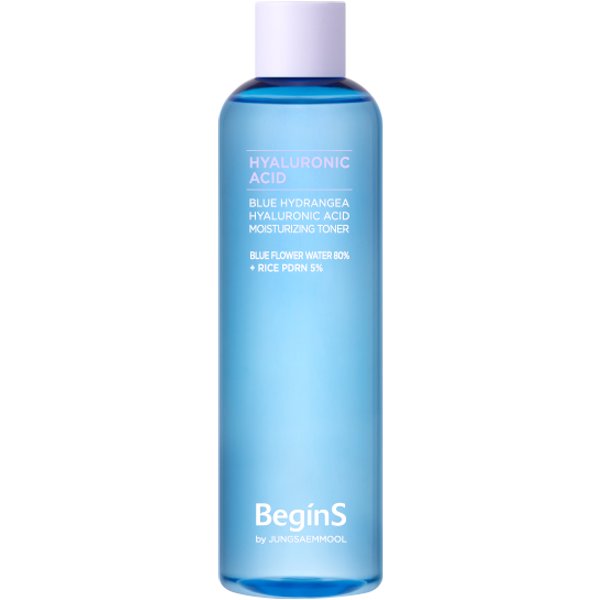 BeginSBlue Hydrangea Hyaluronic Acid Moisturizing Toner - 300ml$8.89Also on YesStyle
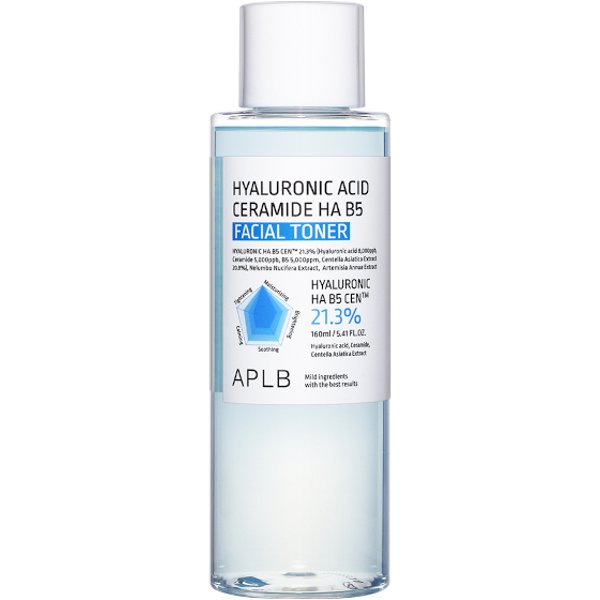 APLBHyaluronic Acid Ceramide HA B5 Facial Toner - 160ml$9.80Also on YesStyle
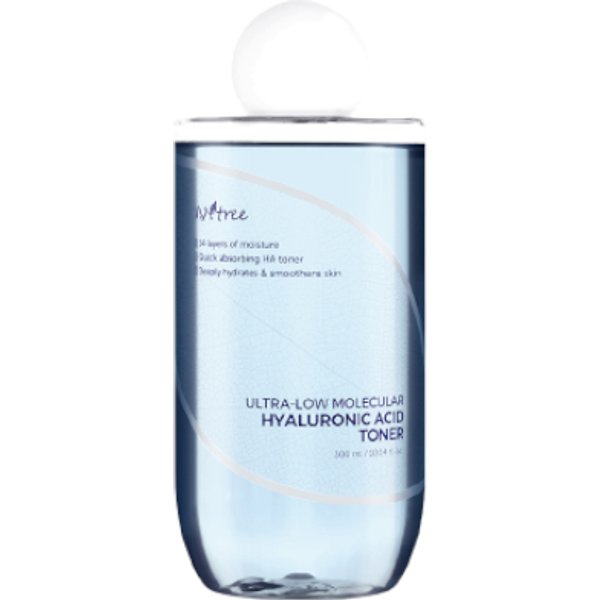 IsntreeUltra-Low Molecular Hyaluronic Acid Toner - 300ml$12.40Also on YesStyle
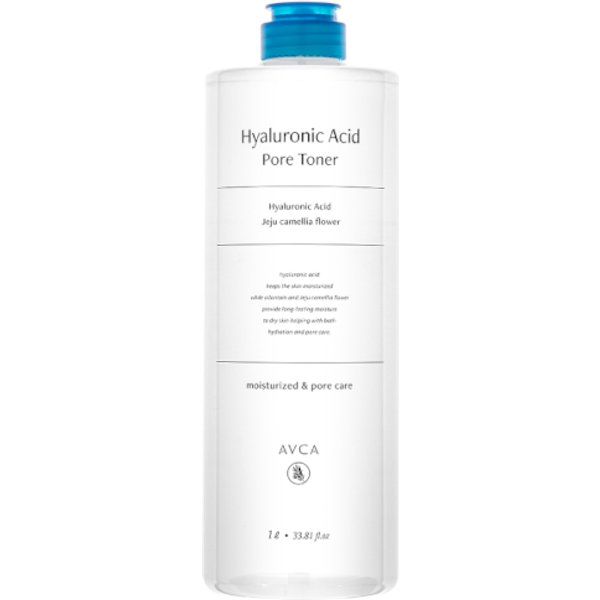 AVCAHyaluronic Acid Pore Toner - 1L$13.17
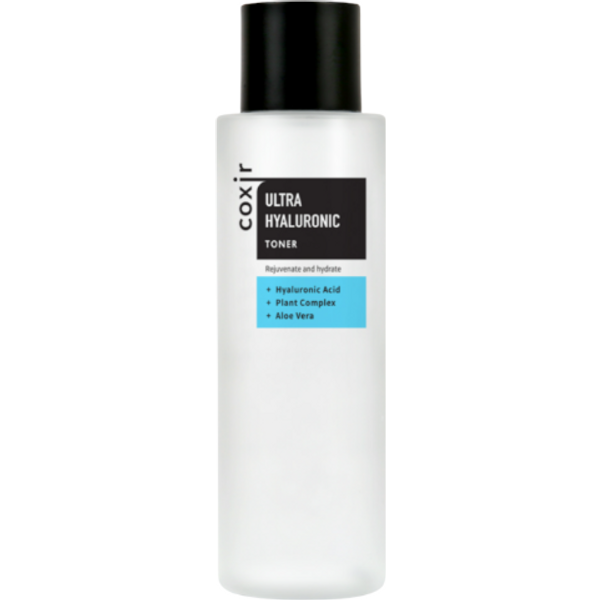 COXIRUltra Hyaluronic Toner - 150ml$14.45
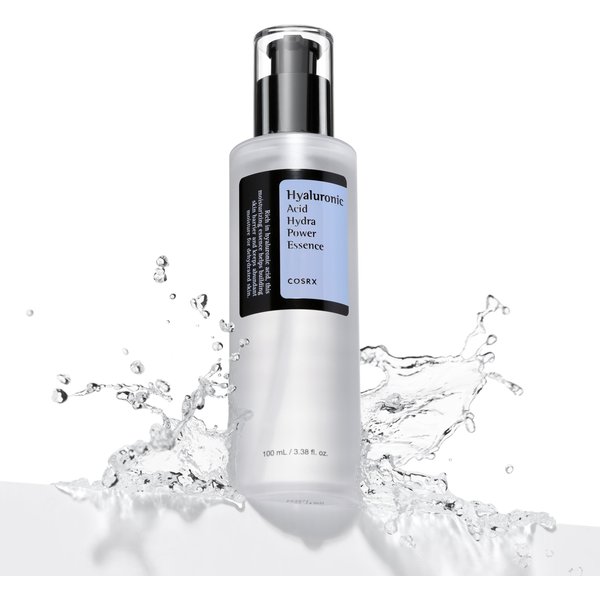 COSRXHyaluronic Acid Hydra Power Essence - 100ml$15.00Also on Stylevana
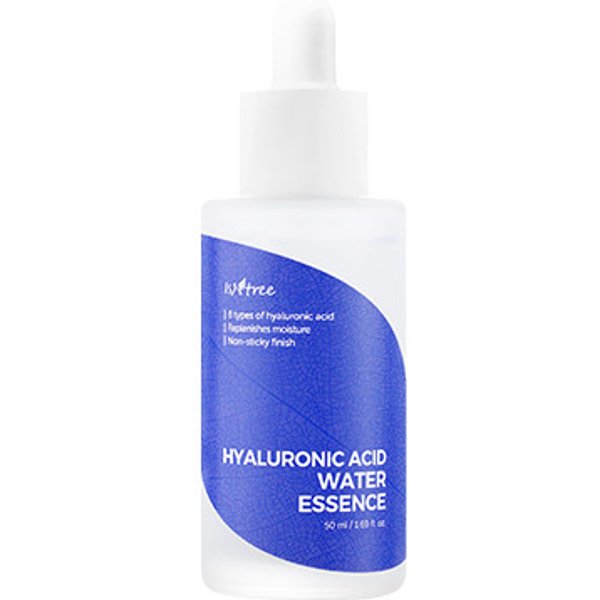 IsntreeHyaluronic Acid Water Essence - 50ml$16.50Also on Stylevana
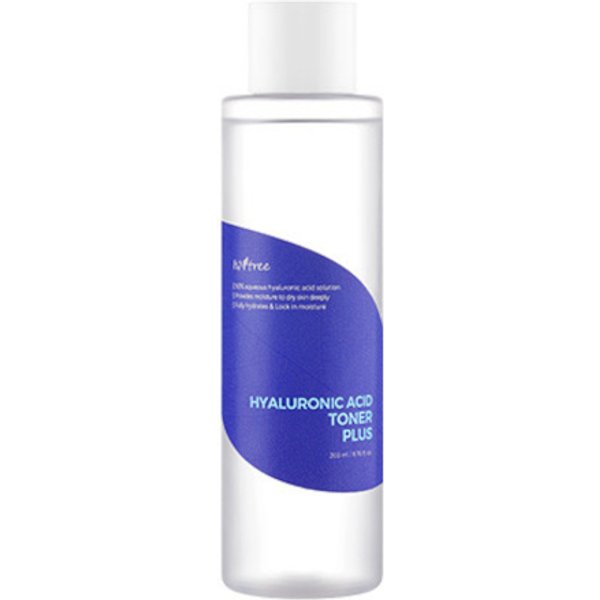 IsntreeHyaluronic Acid Toner Plus - 200ml$16.79Also on YesStyle
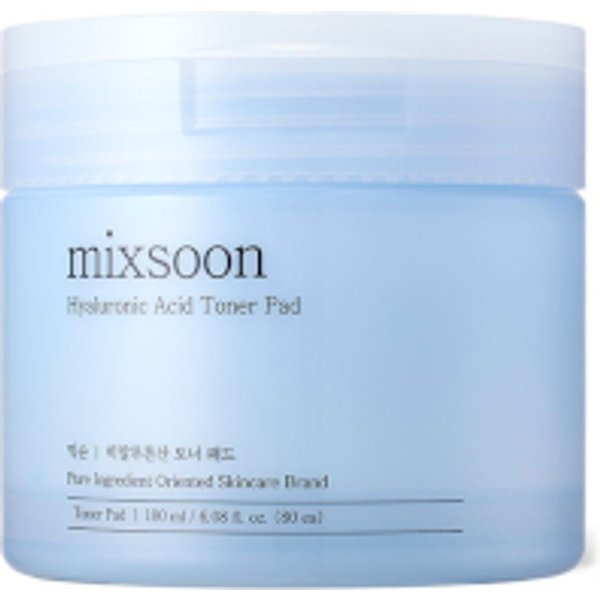 mixsoonHyaluronic Acid Toner Pad - 180ml/80pads$16.90Also on YesStyle
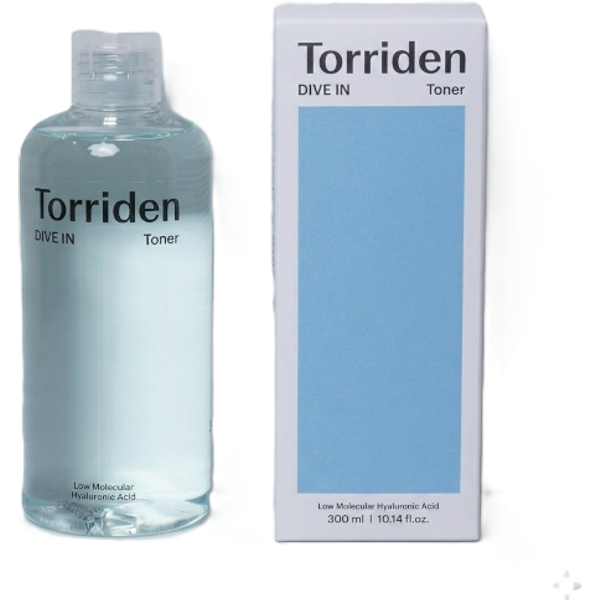 TorridenDIVE-IN Low Molecule Hyaluronic Acid Toner - 300ml$20.70
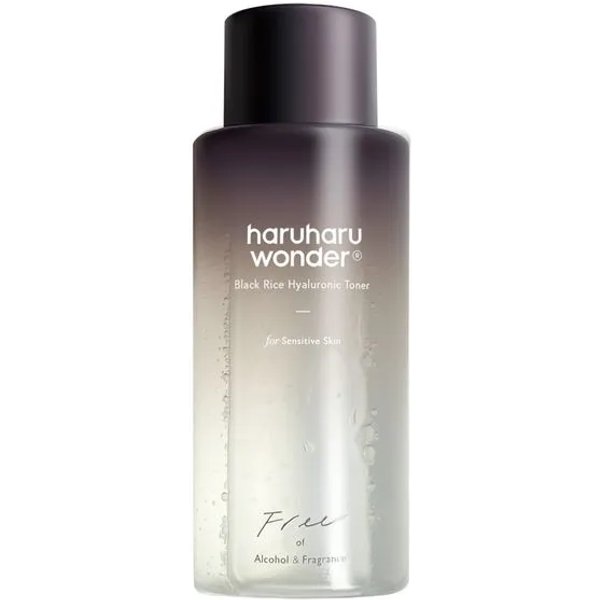 haruharu wonderBlack Rice Hyaluronic Toner - Fragrance Free - 300ml$22.40Also on YesStyle
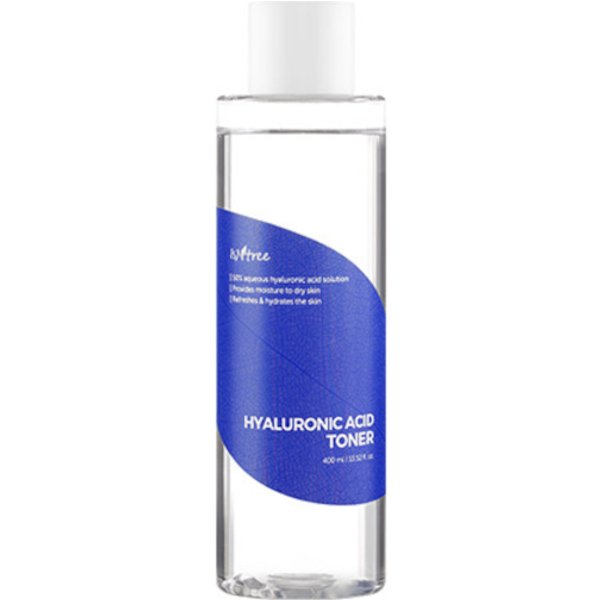 IsntreeHyaluronic Acid Toner - 400ml$24.39
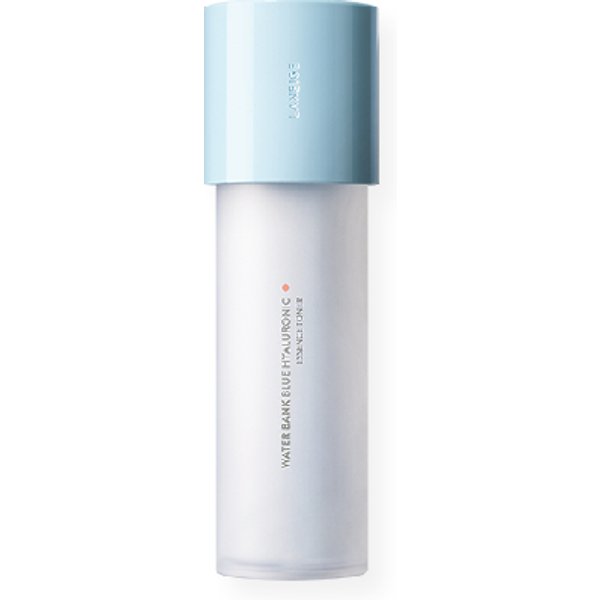 LANEIGEWater Bank Blue Hyaluronic Essence Toner For Normal To Dry Skin - 160ml$25.69
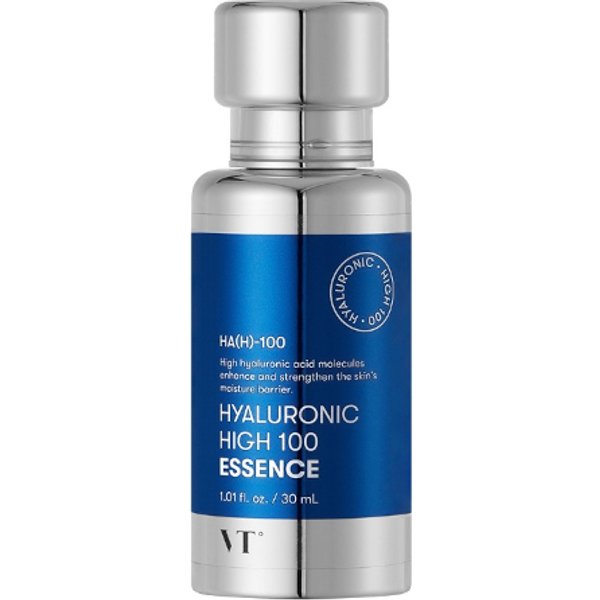 VTHyaluronic High 100 Essence - 30ml$27.65
Serums · 18
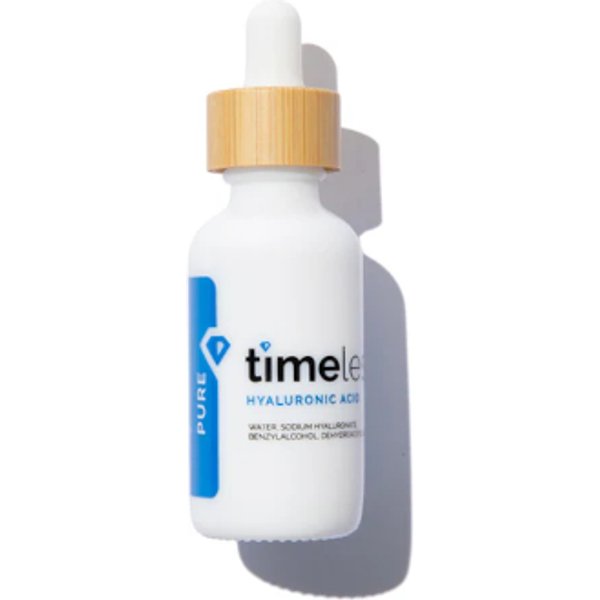 Timeless Skin CareHyaluronic Acid 100% Pure Serum - 30ml$6.60
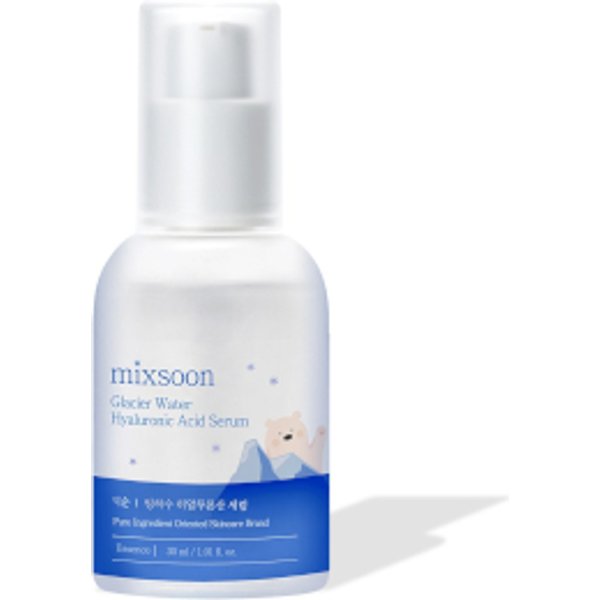 mixsoonGlacier Water Hyaluronic Acid Serum - 30ml$7.50Also on YesStyle
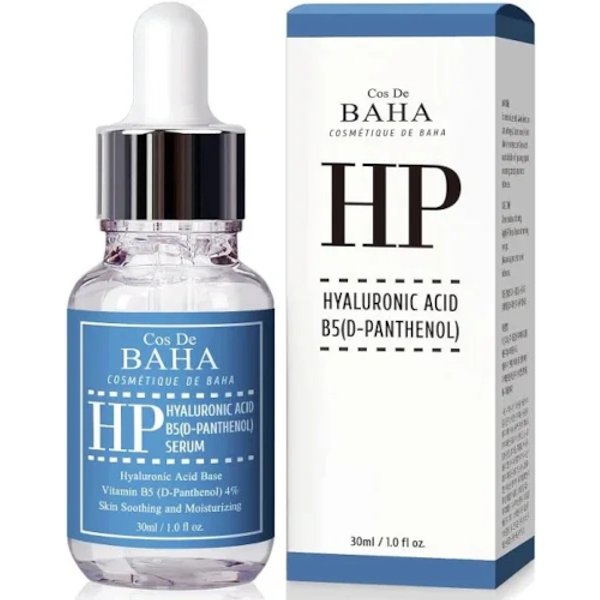 Cos De BAHAHyaluronic+B5 Serum (HP) - 30ml$8.13
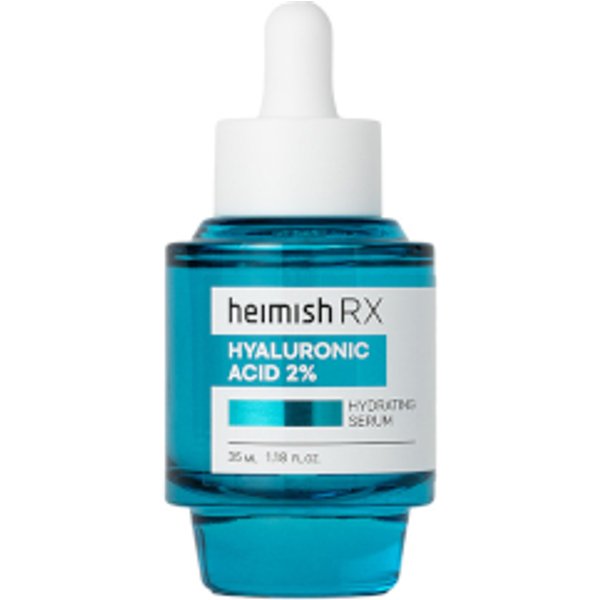 heimishRX Hyaluronic Acid 2% Hydrating Serum - 35ml$8.79
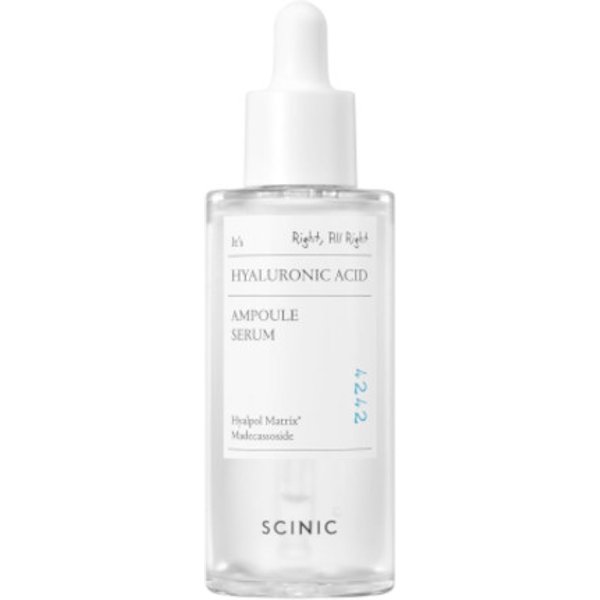 SCINICHyaluronic Acid Ampoule Serum - 50ml$9.49
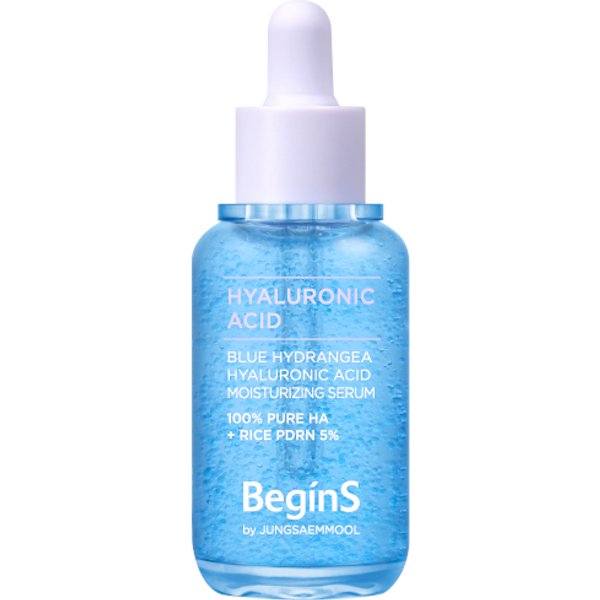 BeginSBlue Hydrangea Hyaluronic Acid Moisturizing Serum - 30ml$11.63Also on YesStyle
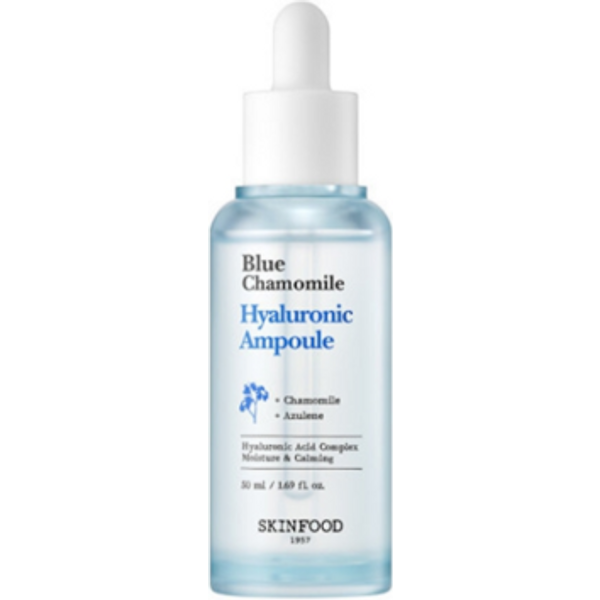 SKINFOODBlue Chamomile Hyaluronic Ampoule - 50ml$12.08Also on Stylevana
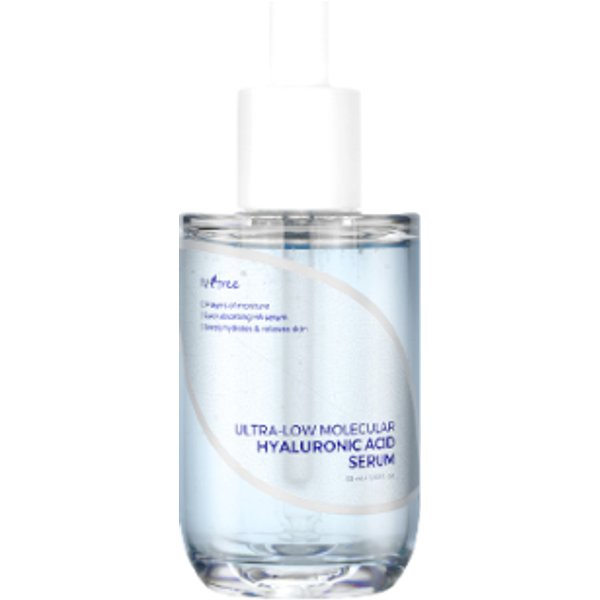 IsntreeUltra-Low Molecular Hyaluronic Acid Serum - 50ml$13.32Also on YesStyle
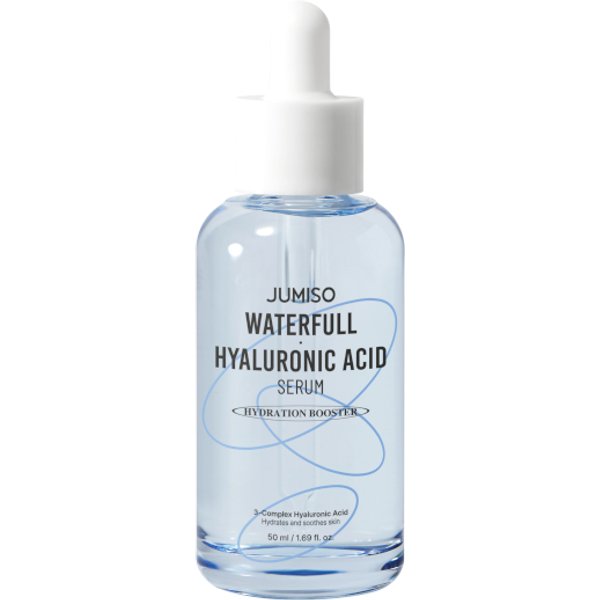 JumisoWaterfull Hyaluronic Acid Serum - 50 ml$17.19Also on Stylevana
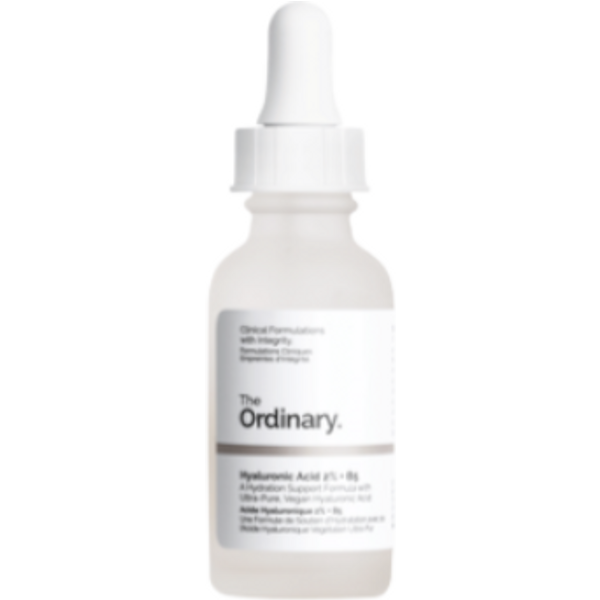 The OrdinaryHyaluronic Acid 2% + B5 - 30ml$18.54
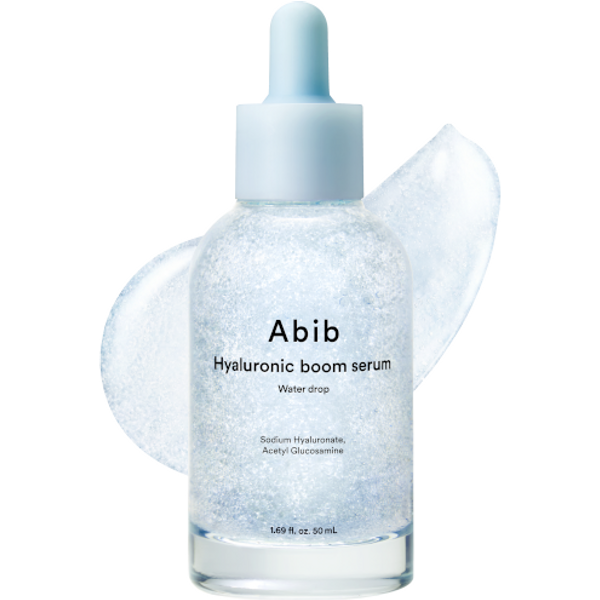 AbibHyaluronic Boom Serum Water Drop - 50ml$19.20Also on YesStyle
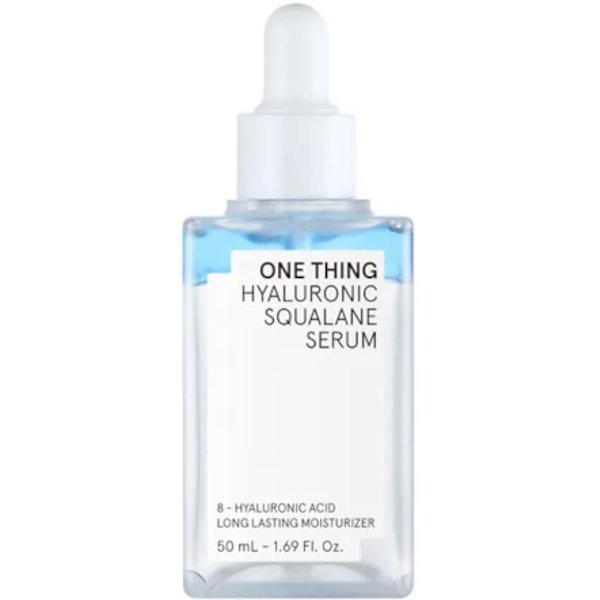 ONE THINGHyaluronic Squalane Serum - 50ml$19.76Also on Stylevana
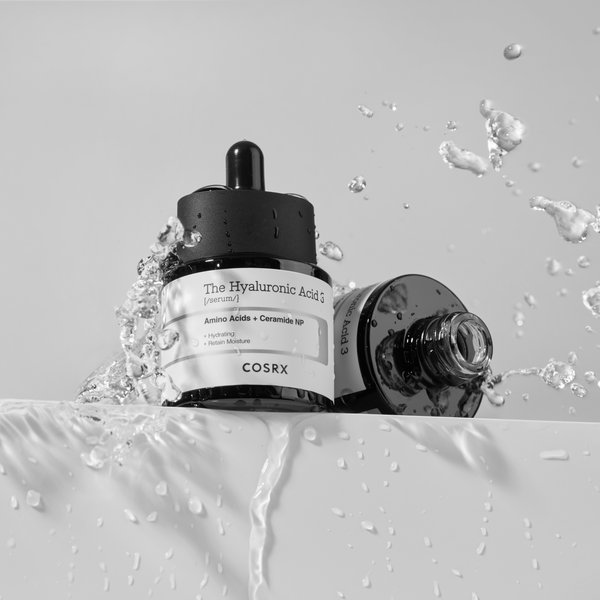 COSRXThe Hyaluronic Acid 3 Serum - 20ml$20.00Also on YesStyle
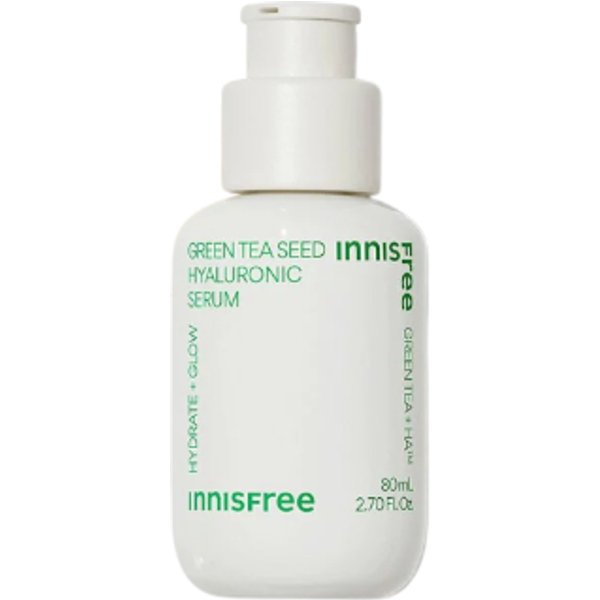 innisfreeGreen Tea Seed Hyaluronic Serum - 80ml$20.23Also on YesStyle
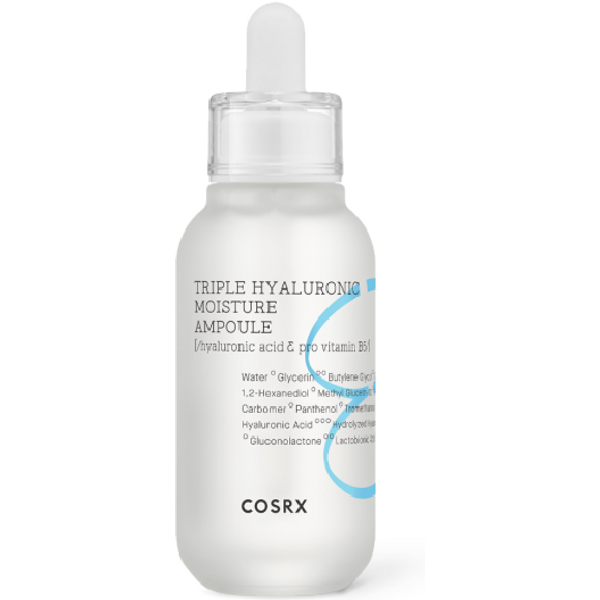 COSRXHydrium Triple Hyaluronic Moisture Ampoule - 40ml$20.80Also on YesStyle
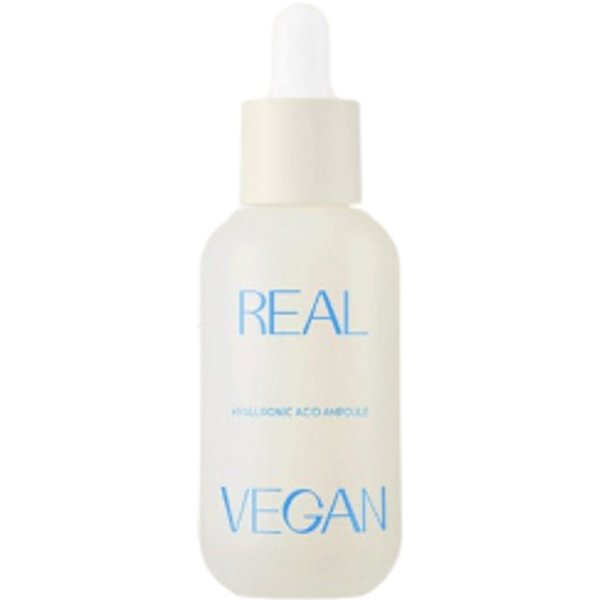 KLAVUUReal Vegan Hyaluronic Acid Ampoule - 30ml$25.00
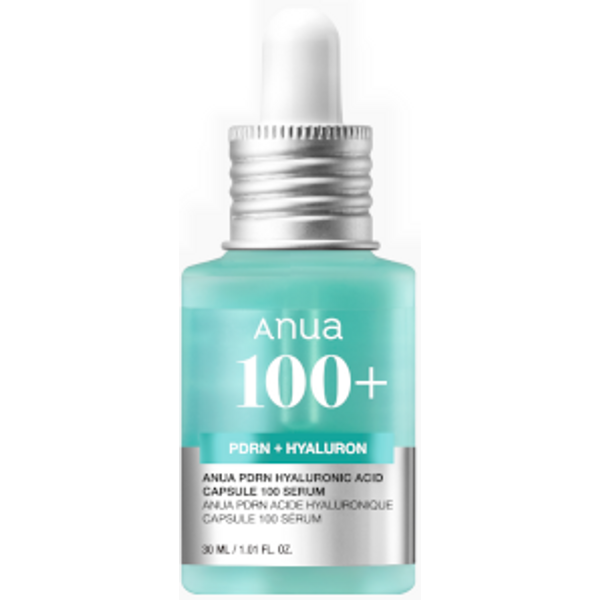 ANUAPDRN Hyaluronic Acid Capsule 100 Serum - 30ml$28.00Also on YesStyle
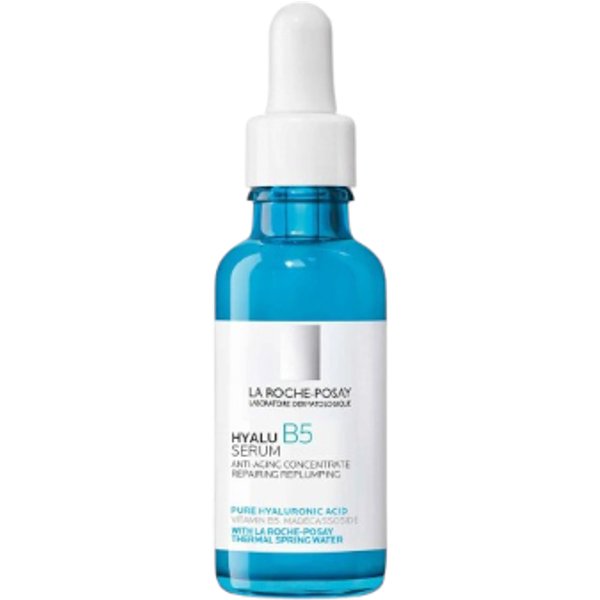 La Roche PosayHyalu B5 Pure Hyaluronic Acid Serum - 30ml$46.29
Moisturizers · 22
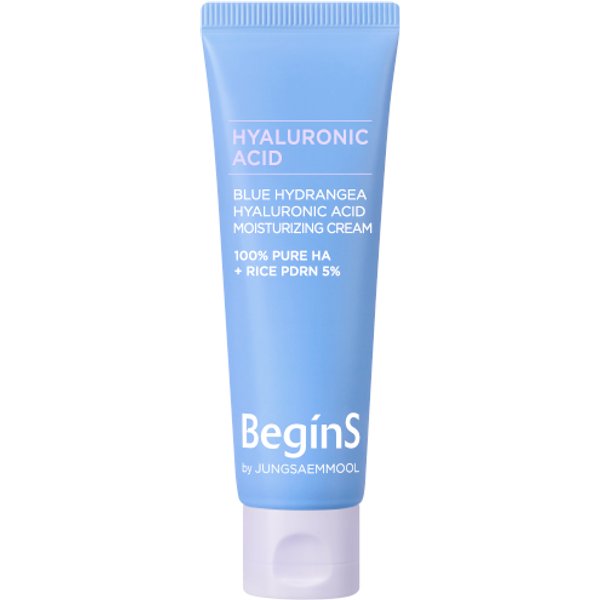 BeginSBlue Hydrangea Hyaluronic Acid Moisturizing Cream - 50ml$8.09
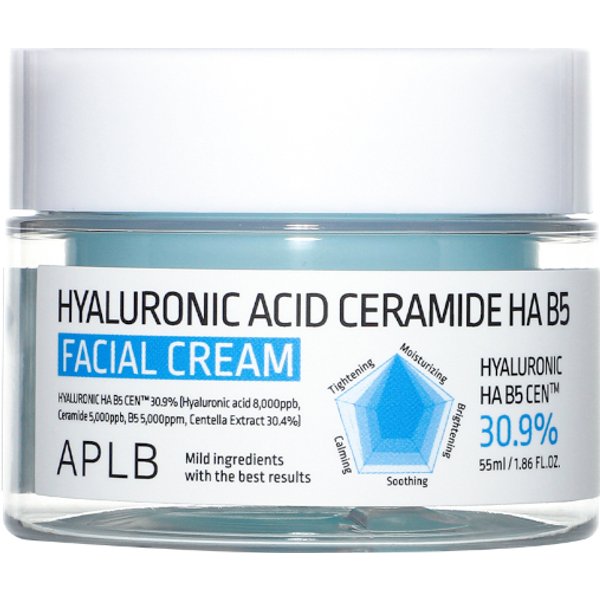 APLBHyaluronic Acid Ceramide HA B5 Facial Cream - 55ml$9.80Also on YesStyle
 Rohto MentholatumHada Labo Gokujyun Hyaluronic Acid Lotion - Moist - 170ml$10.49
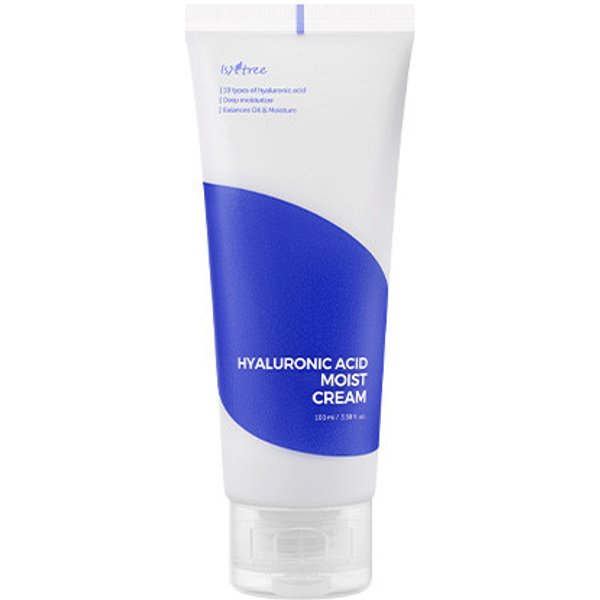 IsntreeHyaluronic Acid Moist Cream - 100ml$11.01Also on YesStyle
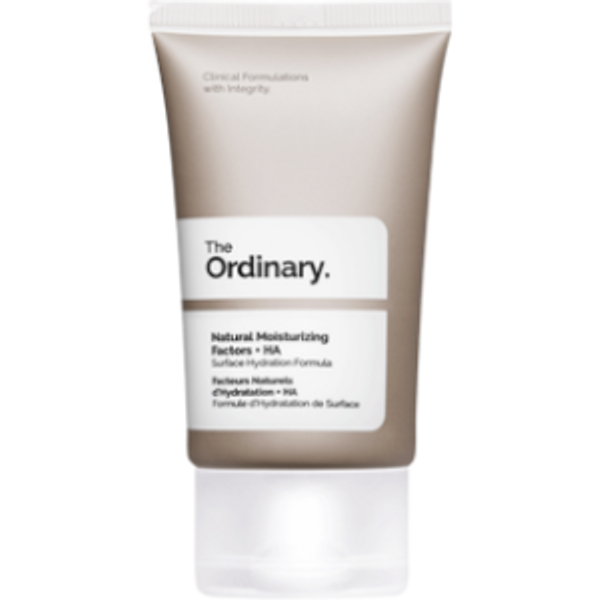 The OrdinaryNatural Moisturizing Factors + HA - 30ml$13.65
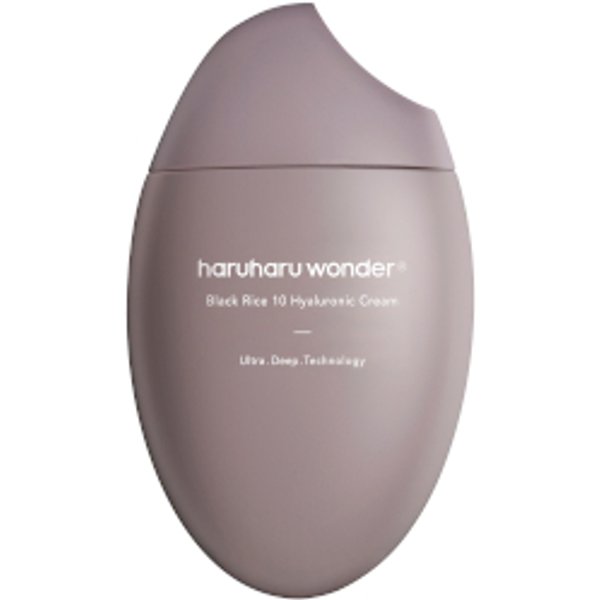 haruharu wonderBlack Rice 10 Hyaluronic Cream - 50ml$14.00
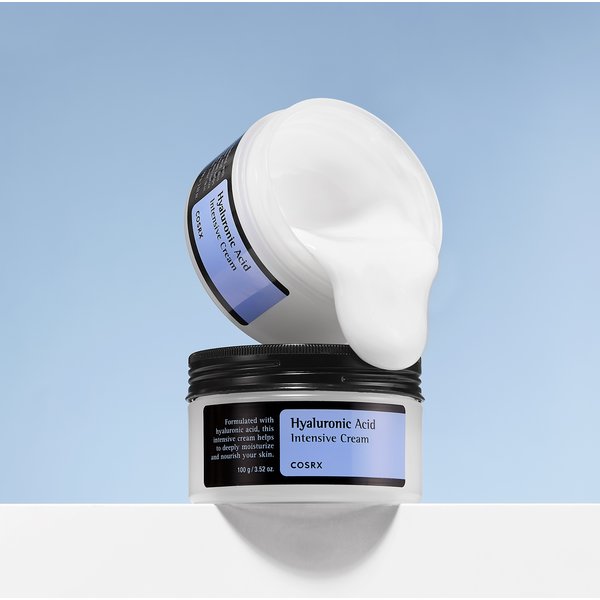 COSRXHyaluronic Acid Intensive Cream - 100ml$15.45Also on Stylevana
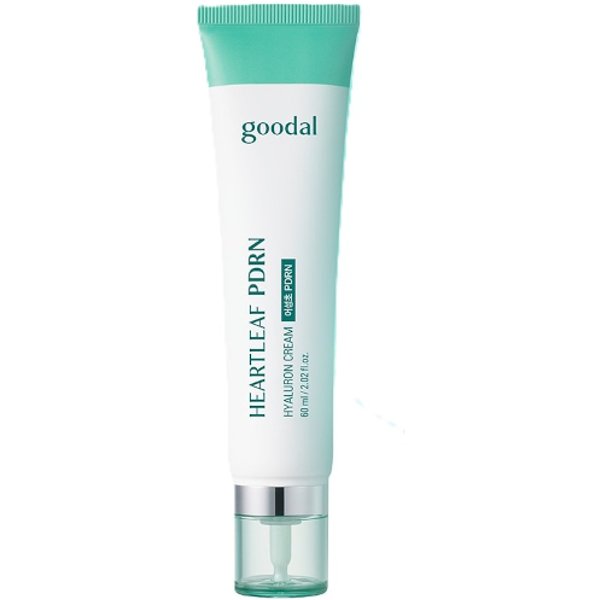 GoodalHeartleaf PDRN Hyaluron Cream - 60ml$15.75Also on Stylevana
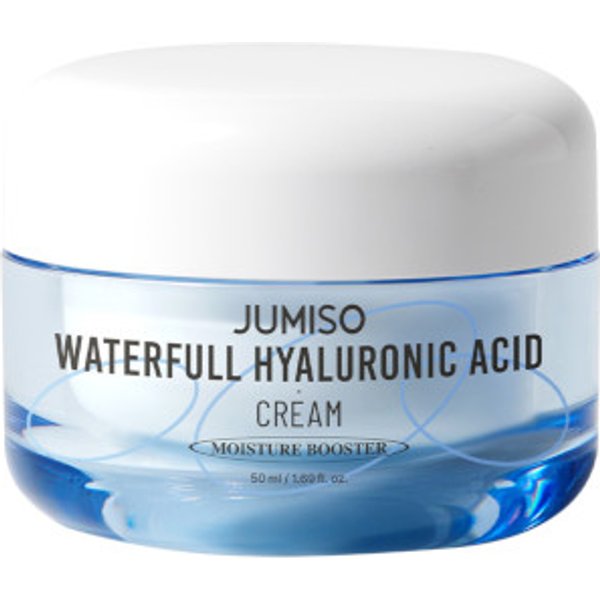 JumisoWaterfull Hyaluronic Cream - 50ml$16.25Also on YesStyle
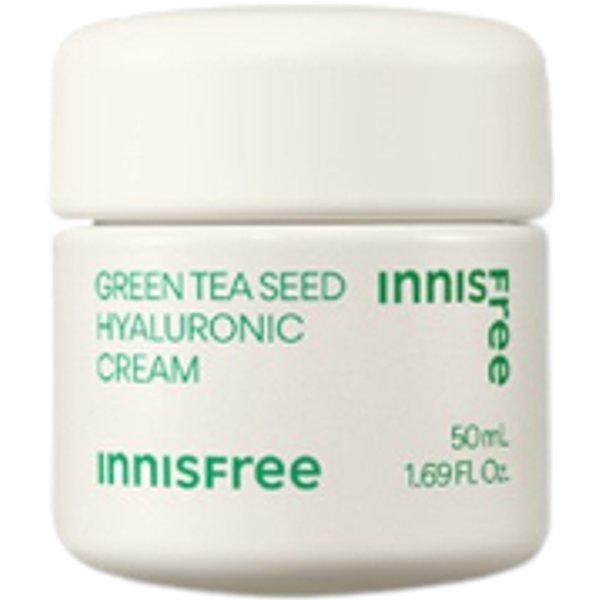 innisfreeGreen Tea Seed Hyaluronic Cream - 50ml$16.69
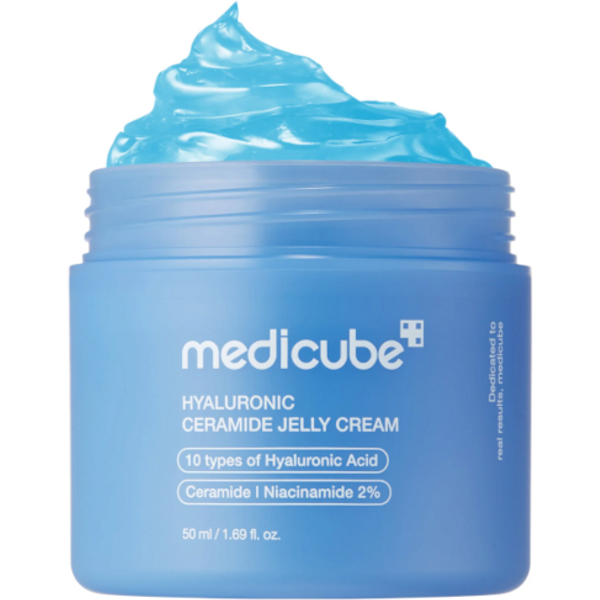 medicubeHyaluronic Ceramide Jelly Cream - 50ml$16.90Also on YesStyle
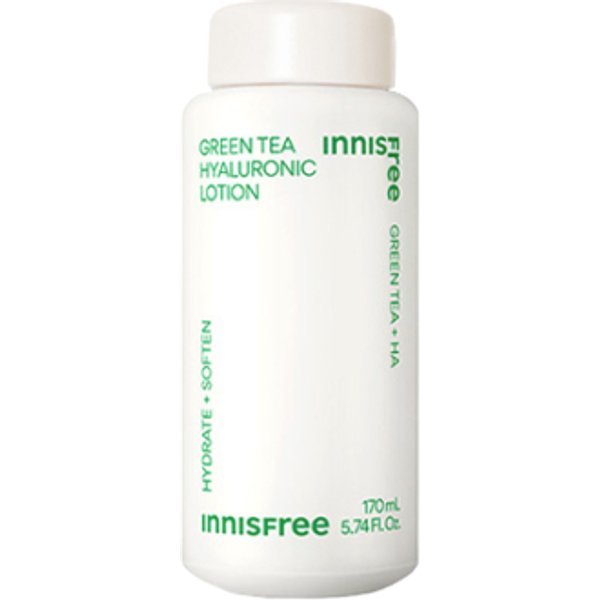 innisfreeGreen Tea Hyaluronic Lotion - 170ml$17.24Also on YesStyle
 Rohto MentholatumHada Labo Gokujyun Hyaluronic Acid Cream - 50g$18.29
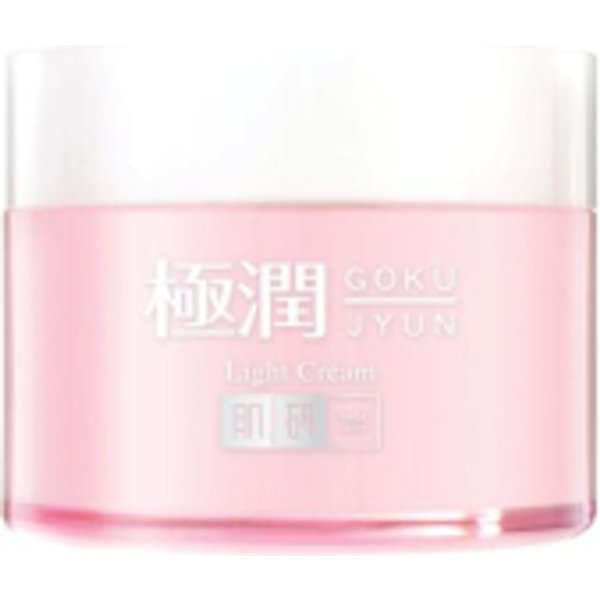 Rohto MentholatumHada Labo - Gokujyun - Super Hyaluronic Light Cream - 50g$20.19
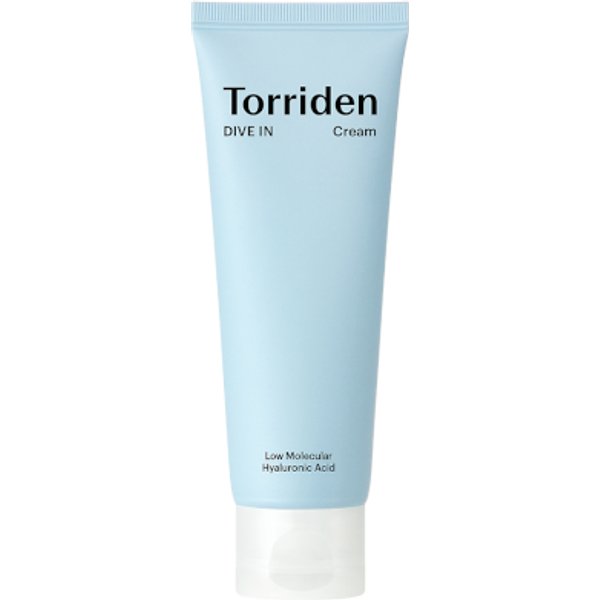 TorridenDIVE-IN Low Molecular Hyaluronic Acid Cream - 80ml$20.29
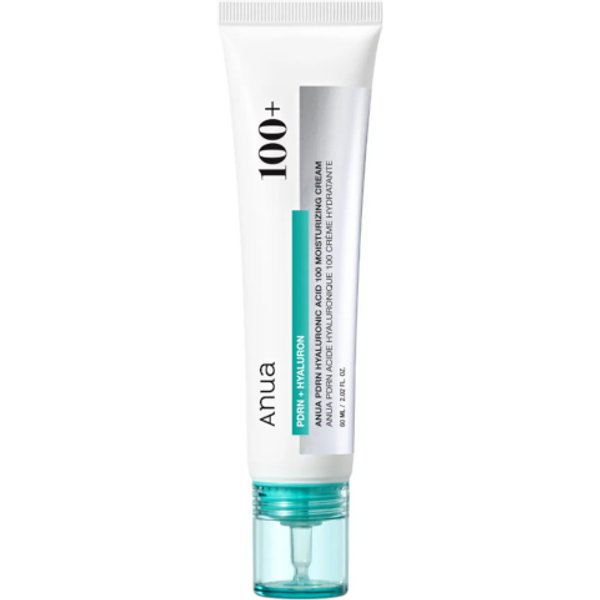 ANUAPDRN Hyaluronic Acid 100 Moisturizing Cream - 60ml$21.60Also on Stylevana
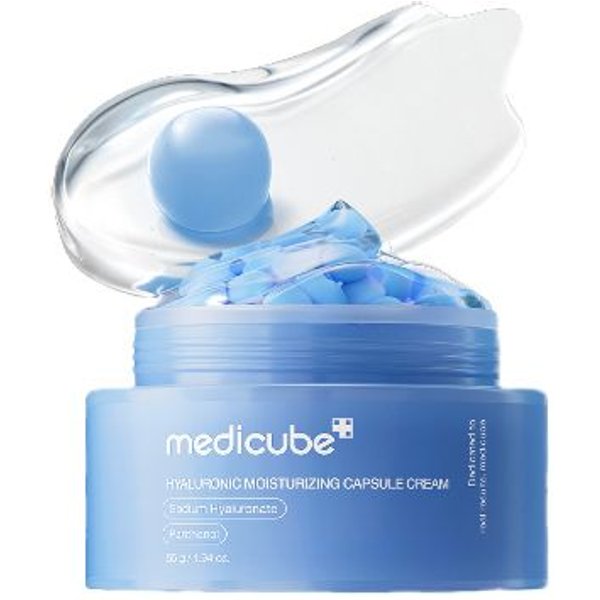 medicubeHyaluronic Moisturizing Capsule Cream - 55g$23.90Also on YesStyle
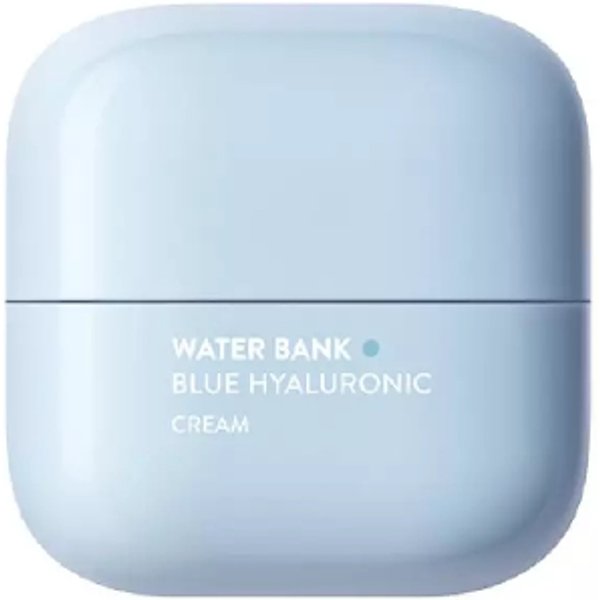 LANEIGEWater Bank Blue Hyaluronic Moisture Cream - 50ml$24.99Also on YesStyle
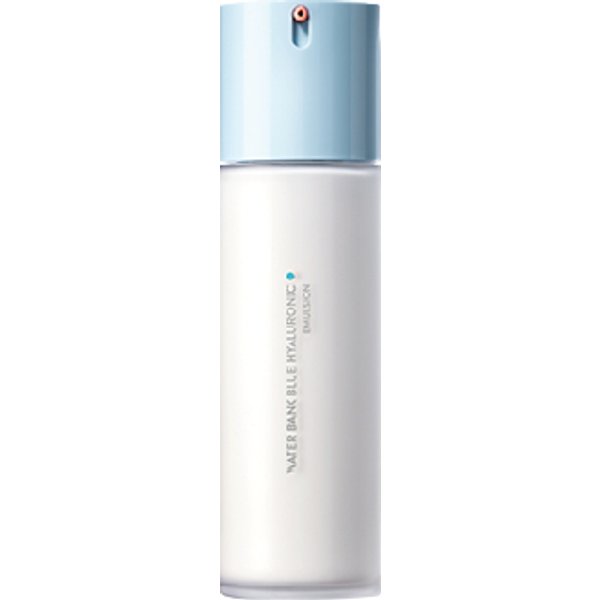 LANEIGEWater Bank Blue Hyaluronic Emulsion For Combination To Oily Skin - 120ml$26.59
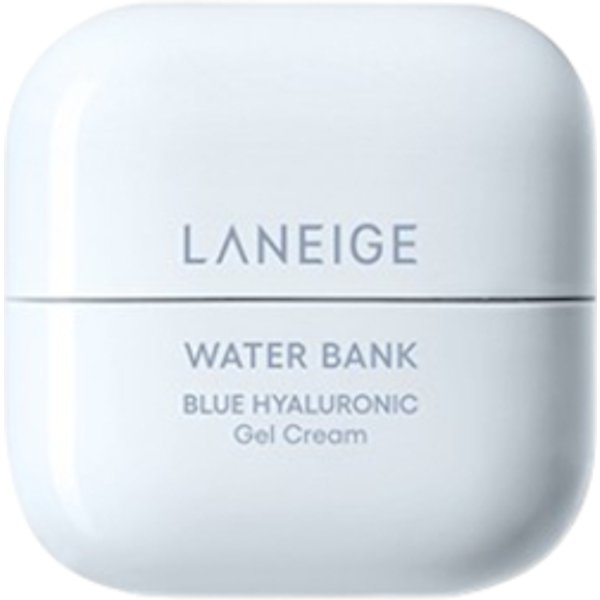 LANEIGEWater Bank Blue Hyaluronic Gel Cream - 50ml$27.29Also on YesStyle
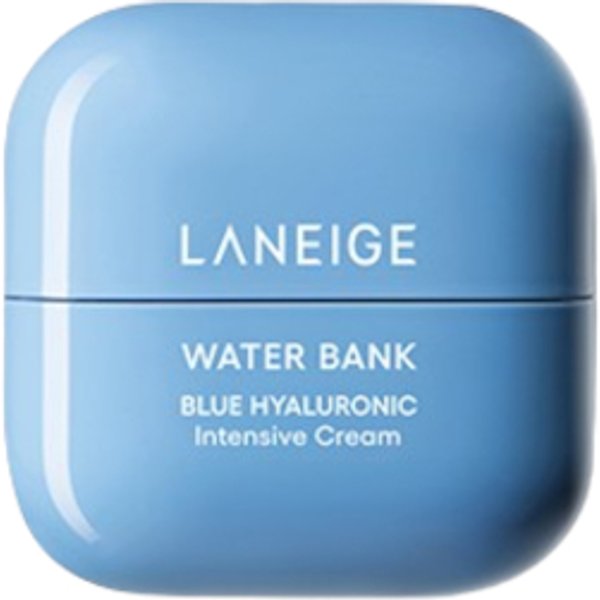 LANEIGEWater Bank Blue Hyaluronic Intensive Cream - 50ml$28.00Also on YesStyle
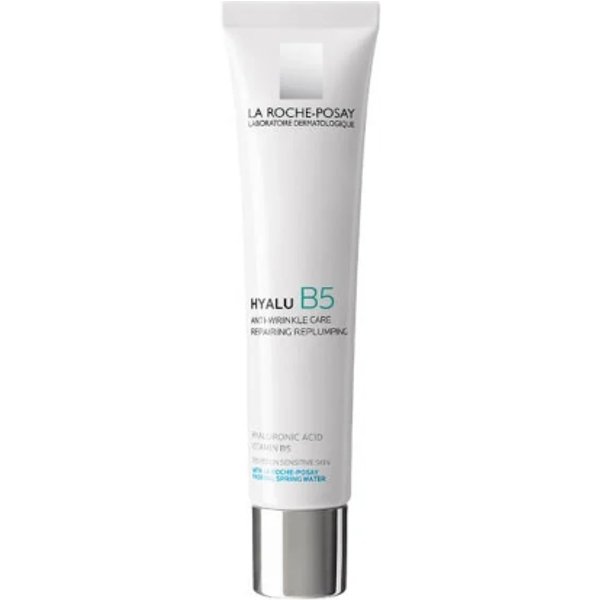 La Roche PosayHyalu B5 Hyaluronic Acid Anti-Ageing Moisturiser - 40ml$35.25
Already have one? Check how it fits your skin with Pick.
Common questions about Hyaluronic Acid#
What is Hyaluronic Acid?
- A humectant that holds water in the skin's surface layers, so skin looks plumper and feels more comfortable through the day.
What else is Hyaluronic Acid called?
- On a label you may see HA, Sodium hyaluronate, Hyaluronate and Hyaluronan.
When should you apply Hyaluronic Acid?
- Morning or evening. It suits either, or both.
Which form of Hyaluronic Acid should you use?
- Hyaluronic acid toner — after cleansing, morning or evening, daily. Hyaluronic acid serum — before moisturizer, morning or evening, daily. Hyaluronic acid cream — as your moisturizer, morning or evening, daily.
How often can you use Hyaluronic Acid?
- Daily.
Where do you apply Hyaluronic Acid?
- All over the face. Keep it away from your eyes and lips.
Can you use Hyaluronic Acid around the eyes?
- Yes. Hyaluronic Acid goes all over the face, the skin around the eyes included — keep it out of your eyes and off your lips.
Does Hyaluronic Acid make skin more sensitive to the sun?
- No. Hyaluronic Acid is not flagged as increasing sun sensitivity.
What should you not use with Hyaluronic Acid?
- Nothing flagged. None of the ingredients this wiki covers needs to be kept apart from Hyaluronic Acid — check the label of anything not covered here.
Is there a cosmetic limit for Hyaluronic Acid?
- No. No cosmetic regulator in the United States, Canada, the European Union or Great Britain sets a maximum strength for it. That is a limit on the rules, not a signal to use more.
Related ingredients#
How we check this#
Everything on this page traces to the sources listed below — regulators' own publications and published studies. Where the evidence does not answer a question, it is left unanswered.
Some sources below are the official product information for prescription medicines, cited for how they interact with this ingredient. We use them for their safety and handling detail only. A cosmetic product is not one of those medicines and is not intended to treat any condition.
Our review is AI-assisted and is not a named expert's opinion. Last reviewed August 4, 2026.
Think something here is out of date or wrong? Email us at wiki@skinintelligence.ai with your reasoning and where you read it. We read what people send, and we update the page when the sources support it.
Regulators and official bodies · 12
- S1Cosmetic Ingredient Review Expert Panel. Safety Assessment of Hyaluronates as Used in Cosmetics, Final Report, June 2023 · · vault.
- S2Becker LC; Bergfeld WF; Belsito DV; Klaassen CD; Marks JG Jr; Shank RC; Slaga TJ; Snyder PW; Cosmetic Ingredient Review Expert Panel; Andersen FA. Final report of the safety assessment of hyaluronic acid, potassium hyaluronate, and sodium hyaluronate. Int J Toxicol 2009 · PMID 19636067.
- S13MotherToBaby. Cosmetics Exposures in Pregnancy and Breastfeeding.
- S14Roaccutane 20 mg soft capsules — Summary of Product Characteristics · emc product 100634.
- S15Differin Gel — Summary of Product Characteristics · emc product 921.
- S16Treclin 1%/0.025% w/w Gel — Summary of Product Characteristics · emc product 5371.
- S25Health Canada. Cosmetic Ingredient Hotlist — Prohibited and Restricted Ingredients.
- S26Regulation (EC) No 1223/2009 of the European Parliament and of the Council on cosmetic products, consolidated text 02009R1223-20240424, Annexes II–VI.
- S27Regulation (EC) No 1223/2009 as retained in UK law, Annex II (substances prohibited in cosmetic products).
- S28Regulation (EC) No 1223/2009 as retained in UK law, Annex III (substances subject to restriction).
- S29Solaraze 3% Gel — Summary of Product Characteristics (sodium hyaluronate as excipient vehicle for diclofenac) · emc product 6385.
- S33MHRA/emc medicines register — searches for sodium hyaluronate and both return "No search results", confirming no UK medicinal product has a hyaluronate as its active substance.
Studies and references · 21
- S3Draelos ZD; Diaz I; Namkoong J; Wu J; Boyd T. Efficacy Evaluation of a Topical Hyaluronic Acid Serum in Facial Photoaging. Dermatol Ther (Heidelb) 2021 · PMID 34176098 · PMC8322246.
- S4Pavicic T; Gauglitz GG; Lersch P; Schwach-Abdellaoui K; Malle B; Korting HC; Farwick M. Efficacy of cream-based novel formulations of hyaluronic acid of different molecular weights in anti-wrinkle treatment. J Drugs Dermatol 2011 · PMID 22052267.
- S5Robinson DM; Vega J; Palm MD; Bell M; Widgerow AD; Giannini A. Multicenter evaluation of a topical hyaluronic acid serum. J Cosmet Dermatol 2022 · PMID 35833366.
- S6Sundaram H; Cegielska A; Wojciechowska A; Delobel P. Prospective, Randomized, Investigator-Blinded, Split-Face Evaluation of a Topical Crosslinked Hyaluronic Acid Serum for Post-Procedural Improvement of Skin Quality and Biomechanical Attributes. J Drugs Dermatol 2018 · PMID 29601621.
- S7Harwood A; Nassereddin A; Krishnamurthy K. Moisturizers. StatPearls / NCBI Bookshelf · NBK545171.
- S8Milpied B; Collet E; Genillier N; Vigan M. Allergic contact dermatitis caused by sodium dehydroacetate, not hyaluronic acid, in Ialuset® cream. Contact Dermatitis 2011 · PMID 22077436.
- S9Schlesinger TE; Powell CR. Efficacy and tolerability of low molecular weight hyaluronic acid sodium salt 0.2% cream in rosacea. J Drugs Dermatol 2013 · PMID 23839183.
- S10Pacha O; Hebert AA. Treating atopic dermatitis: safety, efficacy, and patient acceptability of a ceramide hyaluronic acid emollient foam. Clin Cosmet Investig Dermatol 2012 · PMID 22690129.
- S11Zhang JA; Liu J; Wu HJ; Xu Y; Si CC; Zhou BR; Luo D. The effects of Antimicrobial Peptides and Hyaluronic Acid compound mask on wound healing after ablative fractional Carbon Dioxide laser resurfacing. J Cosmet Laser Ther 2019 · PMID 30198801.
- S12Ortonne JP; Queille-Roussel C; Duteil L. 3% diclofenac in 2.5% hyaluronic acid (Solaraze) does not induce photosensitivity or phototoxicity alone or in combination with sunscreens. Eur J Dermatol 2006 · PMID 16935795.
- S17Gupta RC; Lall R; Srivastava A; Sinha A. Hyaluronic Acid: Molecular Mechanisms and Therapeutic Trajectory. Front Vet Sci 2019 · PMID 31294035 · PMC6603175.
- S18A Double-Blinded, Split-Face Clinical Trial Evaluating the Effects of a Vitamin C, E, and Ferulic Acid Serum Combined with Microneedling on Facial Photoaging (authors not confirmed against a record — cited without names) · PMC12912124.
- S19Nguyen C; Kuceki G; Birdsall M; Sahni DR; Sahni VN; Hull CM. Rosacea: Practical Guidance and Challenges for Clinical Management. Clin Cosmet Investig Dermatol 2024 · PMID 38283794 · PMC10821660.
- S20Bogdanowicz P; Bensadoun P; Noizet M; Béganton B; Philippe A; Alvarez-Georges S; Doat G; Tourette A; Bessou-Touya S; Lemaitre JM; Duplan H. Senomorphic activity of a combination of niacinamide and hyaluronic acid: correlation with clinical improvement of skin aging. Sci Rep 2024 · PMID 39009698.
- S21Milani M; Sparavigna A. The 24-hour skin hydration and barrier function effects of a hyaluronic 1%, glycerin 5%, and Centella asiatica stem cells extract moisturizing fluid: an intra-subject, randomized, assessor-blinded study. Clin Cosmet Investig Dermatol 2017 · PMID 28860834 · PMC5560567.
- S22Skin Antiaging and Skin Health Benefits of Probiotic Intake Combined with Topical Ectoin and Sodium Hyaluronate: A Randomized, Double-Blind, Placebo-Controlled Trial. Cosmetics 2025;12(2):34 (not PubMed-indexed; authors not confirmed against a record — cited without names).
- S23Li WH; Wong HK; Serrano J; Randhawa M; Kaur S; Southall MD; Parsa R. Topical stabilized retinol treatment induces the expression of HAS genes and HA production in human skin in vitro and in vivo. Arch Dermatol Res 2017 · PMID 28247017.
- S24Papakonstantinou E; Roth M; Karakiulakis G. Hyaluronic acid: A key molecule in skin aging. Dermatoendocrinol 2012 · PMID 23467280 · PMC3583886.
- S30Zanchetta C; Scandolera A; Reynaud R. Hyaluronic Acid in Topical Applications: The Various Forms and Biological Effects of a Hero Molecule in the Cosmetics Industry. Biomolecules 2025;15(12):1656 · PMID 41463312.
- S31Hu L; Nomura S; Sato Y; Takagi K; Ishii T; Honma Y; Watanabe K; Mizukami Y; Muto J. Anti-inflammatory effects of differential molecular weight Hyaluronic acids on UVB-induced calprotectin-mediated keratinocyte inflammation. J Dermatol Sci 2022 · PMID 35717315.
- S32Gariboldi S; Palazzo M; Zanobbio L; Selleri S; Sommariva M; Sfondrini L; Cavicchini S; Balsari A; Rumio C. Low molecular weight hyaluronic acid increases the self-defense of skin epithelium by induction of beta-defensin 2 via TLR2 and TLR4. J Immunol 2008 · PMID 18641349.