What does Bakuchiol do?#
Bakuchiol is a plant-derived active that helps improve the appearance of fine lines and wrinkles in a similar way to retinol, but with a gentler profile. It is a popular alternative for those who find retinol too irritating or are looking for a botanical option.
Benefits
- Helps reduce the visible appearance of fine lines and wrinkles
- Supports a smoother, firmer-looking complexion
- Generally well-tolerated with a gentle feel on the skin
How it works
Bakuchiol is a plant-based ingredient sourced from the Psoralea corylifolia seed. It has gained popularity as a gentler botanical alternative to retinol. With consistent use, it helps contribute to a smoother, firmer-looking appearance. It also provides antioxidant support for skin that looks healthy and radiant despite everyday environmental stress.
How to use Bakuchiol#
Before you start
Patch test on your inner arm before the first use. Contact allergy to bakuchiol is uncommon, but it has been reported.
Best time
It stays stable in daylight, so it does not have to be an evening-only step.
How often
From the start — there is no easing-in period and no reason to build up slowly.
Where it goes
On clean skin, before your moisturizer.
Where to apply
Over the whole face rather than dabbed on particular spots.
Sun
A daily sunscreen goes with anything you use for fine lines and uneven tone — not because this one makes skin burn, but because sun undoes the work.
What to expect
Expect it to feel unremarkable. Most people have no settling-in phase, no flaking stage and no early breakout to ride out.
What to look for
Bakuchiol concentration and purity can vary between products — look for products that specify bakuchiol percentage on the label.
If it doesn't suit
If you get itchy redness or a rash that spreads rather than settles, stop and see a doctor. That is different from a brief tingle on the first application.
Discontinue use if persistent irritation occurs.
The form you will see it in
Bakuchiol serum
- Where it goes
- Before moisturizer
Using Bakuchiol with other ingredients
Pairs well with Bakuchiol
Niacinamide
Works well togetherBoth support a smoother, more even-looking complexion in complementary ways.
Hyaluronic acid
Works well togetherHyaluronic acid adds hydration to complement bakuchiol's smoothing benefits.
What not to use with Bakuchiol
Nothing flagged. None of the ingredients this wiki covers needs to be kept apart from Bakuchiol — check the label of anything not covered here.
Who should avoid Bakuchiol?#
Six situations change whether Bakuchiol suits your skin right now. Each one is either a reason to skip it, a reason to go slowly, or nothing to watch for.
- Maternity & Nursing
- Go slowly
- Fragile or Sensitive
- Go slowly
- Recent Facial or Laser
- Go slowly
- Prone to Redness
- Go slowly
- Dry or Itchy Patches
- Go slowly
- Recent Shave or Wax
- No caution
Maternity & Nursing — If you are pregnant or nursing, you may prefer to check with your healthcare provider before use.
Fragile or Sensitive — Use it less often — or stop — if it feels uncomfortable, and keep it off skin that’s broken, cut or sunburned.
Recent Facial or Laser — Wait until your skin feels settled before reintroducing — typically 7 to 14 days after a facial or laser appointment.
Prone to Redness — Try it on a small area first, and use it less often — or stop — if you notice stinging or extra redness.
Dry or Itchy Patches — Keep the rest of your routine well moisturized, and use it less often — or stop — if you notice tightness or itching.
Cosmetic strength limits for Bakuchiol where you live#
| Region | Most a cosmetic may contain | |
|---|---|---|
 United States United States | No explicit cap | |
The FDA restricts a short list of ingredients and sets no general strength ceiling on the rest. A figure marked "guidance, not law" is the Cosmetic Ingredient Review panel's recommendation. 21 CFR part 700, subpart B — Requirements for Specific Cosmetic Products (FDA) | ||
 Canada Canada | No explicit cap | |
One list does the work — Health Canada's Hotlist of prohibited and restricted cosmetic ingredients. | ||
 European Union European Union | No explicit cap | |
The Cosmetics Regulation's annexes, consolidated to 1 May 2026. A figure marked "guidance, not law" comes from the EU's cosmetic safety committee rather than from the annexes. | ||
 Great Britain Great Britain | No explicit cap | |
Great Britain kept the annexes as its own law and updates them only when it chooses; Northern Ireland follows the live EU Regulation, which is why some rows read differently for each. Regulation (EC) No 1223/2009 as it applies in Great Britain · Regulation (EC) No 1223/2009, Annexes II–VI | ||
 India India | No explicit cap | |
India writes its own standard, aligned to the European rules as they stood in 2012. Mandatory since 9 February 2026. IS 4707 (Part 2):2025 — restricted and prohibited cosmetic ingredients · IS 4707 (Part 3):2025 — preservatives · Cosmetics Rules, 2020, Ninth Schedule | ||
 Brazil Brazil | No explicit cap | |
ANVISA rewrote its restricted list in June 2026, and a companion act amended the prohibited list at the same time. RDC 1.029/2026 — restricted ingredients · RDC 529/2021 — prohibited ingredients, as amended by RDC 1.030/2026 · RDC 528/2021 — preservatives | ||
 Japan Japan | No explicit cap | |
Japan's cosmetics standard keeps drug ingredients out of cosmetics, so most of its figures sit in the ministry's list of the ones a cosmetic may still contain. Cosmetics Standards (化粧品基準), Ministry of Health, Labour and Welfare · Cosmetics Standards — the ministry's own English translation · Drug ingredients permitted in cosmetics — 2007 notification | ||
 South Korea South Korea | No explicit cap | |
One MFDS regulation carries both the prohibited list and the restricted list, in force 18 March 2026. Sunscreens and a few other categories are cleared product by product instead. Regulation on Safety Standards for Cosmetics (MFDS Notification 2026-19) · Regulation on the Review of Functional Cosmetics (MFDS Notification 2025-88) | ||
 Kenya Kenya | No explicit cap | |
Kenya's standard applies the EU annexes as they stand rather than copying them, so its ingredient limits are the EU's — including the 2024 additions. A figure marked "guidance, not law" sits outside the annexes and does not carry over. KS EAS 377-1, -2 and -3:2022 — cosmetics safety requirements, published by KEBS · Regulation (EC) No 1223/2009, Annexes II–VI | ||
 Namibia Namibia | No explicit cap | |
Namibia sets no ingredient limits at all. Its cosmetic rule is a single line requiring a product to be free of any harmful ingredient. Foodstuffs, Cosmetics and Disinfectants Ordinance 18 of 1979, and the regulations under it | ||
 Ukraine Ukraine | No explicit cap | |
Ukraine's own transposition of the EU annexes, as they stood before the 2024 additions, fully in force since 3 August 2026. A further revision is due on 1 February 2027. Technical Regulation on cosmetic products — Cabinet Resolution No. 65 of 20 January 2021 | ||
 Georgia Georgia | No explicit cap | |
Georgia has no cosmetics rulebook — its register of technical regulations carries no cosmetics entry — so only the general product-safety duty applies. | ||
 Australia Australia | No explicit cap | |
Australia writes no cosmetic ingredient list. A figure here is the point at which a substance becomes a medicine or a scheduled substance carrying Caution labeling, so its numbers sit well above other markets'. Poisons Standard — June 2026 · Therapeutic Goods (Excluded Goods) Determination 2018 | ||
 United Arab Emirates United Arab Emirates | No explicit cap | |
The Gulf standard points at the EU annexes as amended, so its ingredient limits are the EU's. A figure marked "guidance, not law" sits outside the annexes and does not carry over. GSO 1943:2024 — Cosmetic products: safety requirements (Gulf technical regulation) · Regulation (EC) No 1223/2009, Annexes II–VI | ||
 Kuwait Kuwait | No explicit cap | |
The Gulf standard points at the EU annexes as amended, so its ingredient limits are the EU's. A figure marked "guidance, not law" sits outside the annexes and does not carry over. GSO 1943:2024 — Cosmetic products: safety requirements (Gulf technical regulation) · Regulation (EC) No 1223/2009, Annexes II–VI | ||
 Hong Kong Hong Kong | No explicit cap | |
Hong Kong writes no cosmetics rulebook. Its Poisons List (Cap. 138A, Schedule 10) decides which substances may be sold only as medicines, and general safety is judged case by case against whichever overseas standard the enforcer considers reasonable. Pharmacy and Poisons Regulations (Cap. 138A), Schedule 10 — the poisons list · Pharmacy and Poisons Board — Guidance Notes on classifying pharmaceutical products, April 2026 | ||
 Singapore Singapore | No explicit cap | |
Singapore writes the ASEAN annexes into its own schedule, and its regulator tells companies to check the current ASEAN release as well — which is why a figure here can read "guidance, not law". Health Products (Cosmetic Products — ASEAN Cosmetic Directive) Regulations 2007, Third Schedule · ASEAN Cosmetic Directive annexes — release 2026-1, 22 June 2026 | ||
 Brunei Brunei | No explicit cap | |
Brunei carries the 2007 ASEAN annexes in its own schedule and has not updated them since, so it reads differently from Singapore on several ingredients. Medicines (Cosmetic Products) Regulations (Cap. 285 Rg 1), Schedule 1 — revised edition 2024 | ||
 Jordan Jordan | No explicit cap | |
Jordan's cosmetic rules defer to "the approved references" and name none of them, so there is no Jordanian figure to read. The only number in the instrument governs the ingredient list on the pack. JFDA instructions on cosmetics and pharmaceutical cosmetics, 2026 | ||
 Trinidad & Tobago Trinidad & Tobago | No explicit cap | |
Trinidad and Tobago has had the power to set cosmetic standards since 1960 and has never used it. The regulations made under the Act cover food and drugs, with no cosmetics part; what binds is the Act's general rule against selling a cosmetic that may injure the user. Food and Drugs Act, Chap. 30:01 · Food and Drugs Regulations | ||
No cosmetic regulator in the 20 markets above sets a maximum strength for bakuchiol. That is the state of the rules, not a signal to use more: how much goes into a product is the formulator's decision.
Open a market to see the rulebook its figure comes from. Those notes describe each market's own rules as we read them, current to August 24, 2026; the linked documents are the authority, and nothing here is legal advice.
Sample products with Bakuchiol#
A few well-known products, not a full list — product names are each brand's own. We don't sell them — the shop prices them in US dollars and ships from Hong Kong, so delivery and duties come on top. It may not ship everywhere.
We may earn a small commission when you buy through these links.
Serums · 13
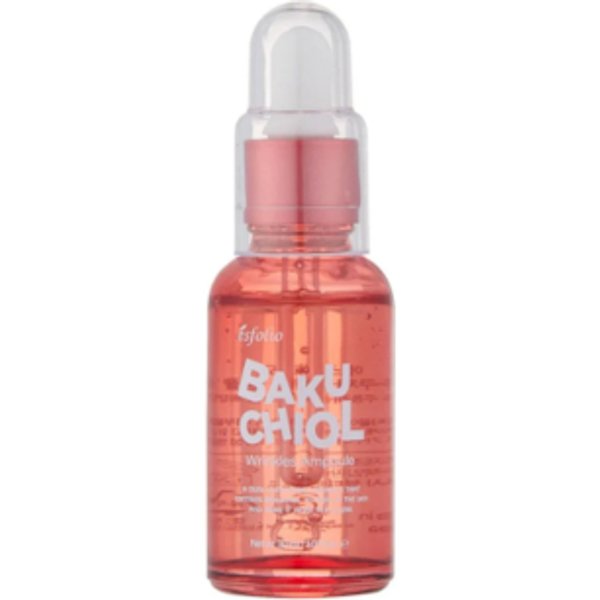 esfolioBakuchiol Wrinkle Ampoule - 30ml$6.60
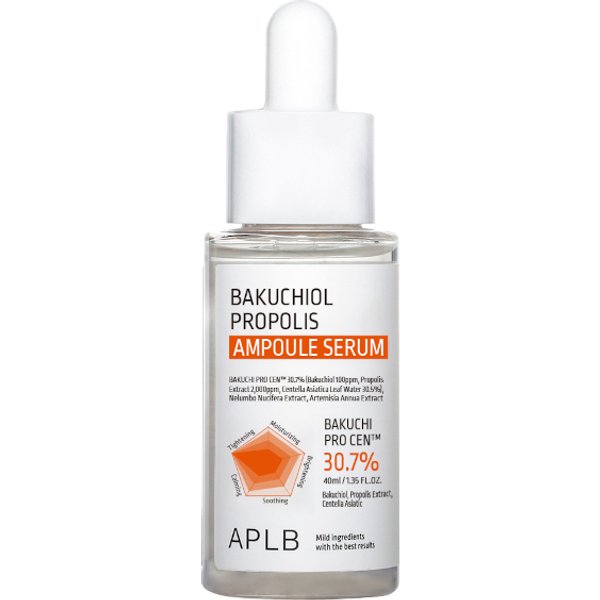 APLBBakuchiol Propolis Ampoule Serum - 40ml$9.80Also on YesStyle
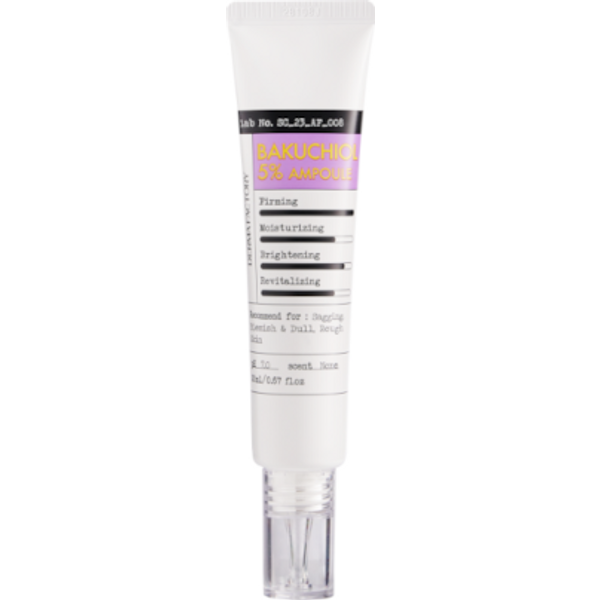 DERMA FACTORYBakuchiol 5% Ampoule - 20ml$10.72
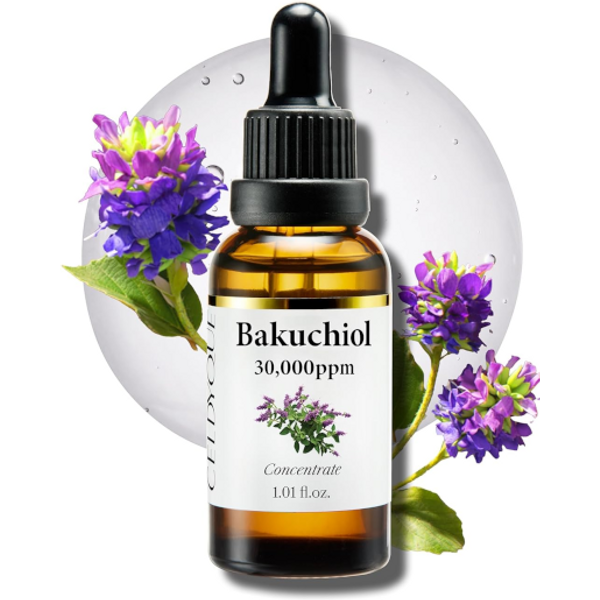 CELDYQUEBakuchiol 30,000ppm Concentrate Serum - 30ml$10.91
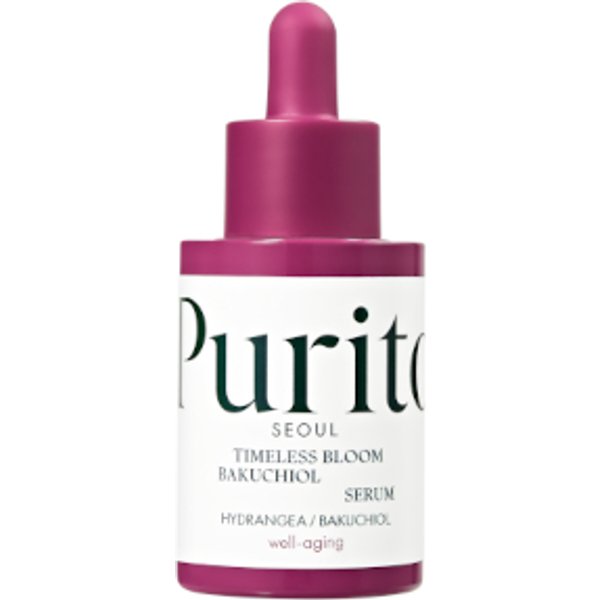 Purito SEOULTimeless Bloom Bakuchiol Serum - 30ml$15.00Also on YesStyle
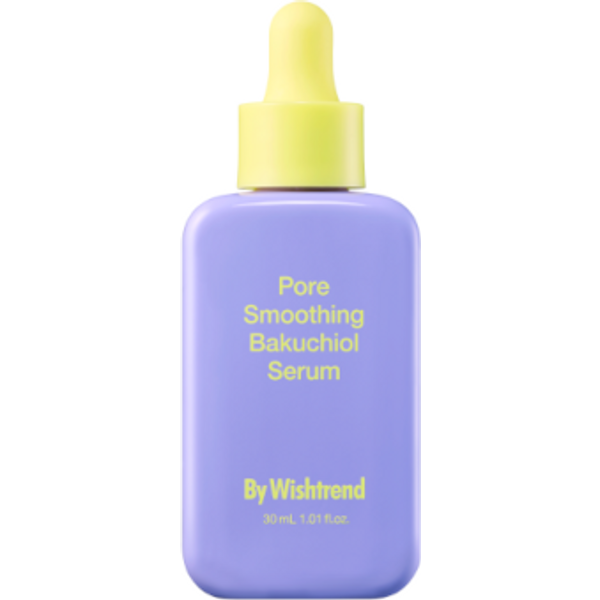 ByWishtrendPore Smoothing Bakuchiol Serum - 30ml$18.20Also on Stylevana
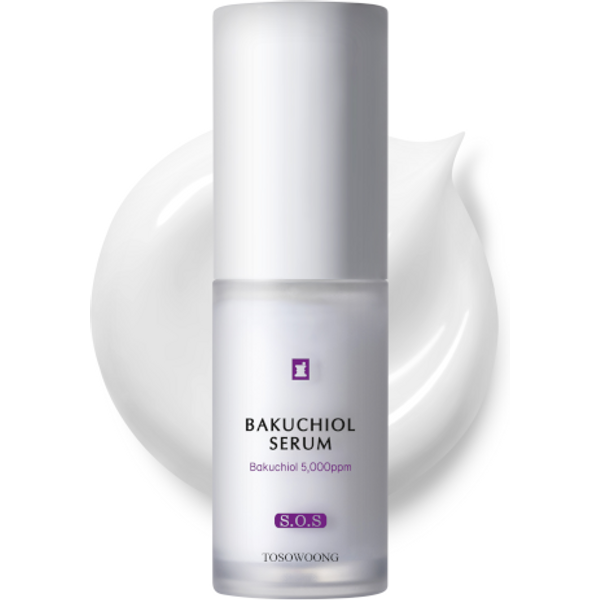 TOSOWOONGBakuchiol Serum - 30ml$22.77
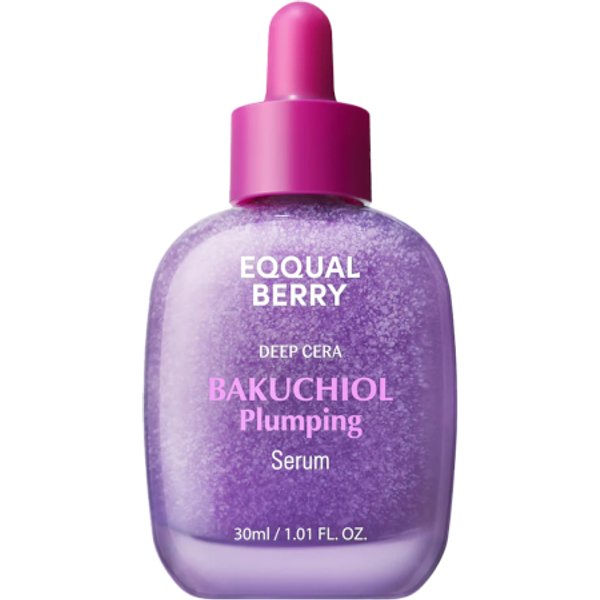 EQQUALBERRYBakuchiol Plumping Serum - 30ml$24.99Also on YesStyle
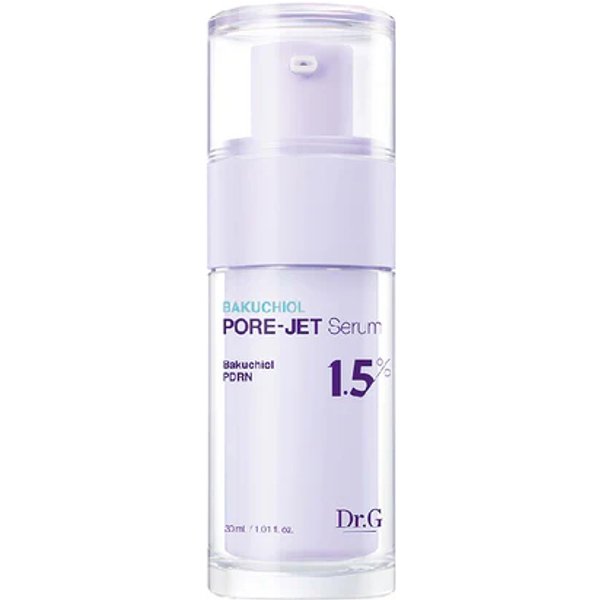 Dr.GR.E.D Blemish Bakuchiol Pore-Jet Serum - 30ml$27.30Also on YesStyle
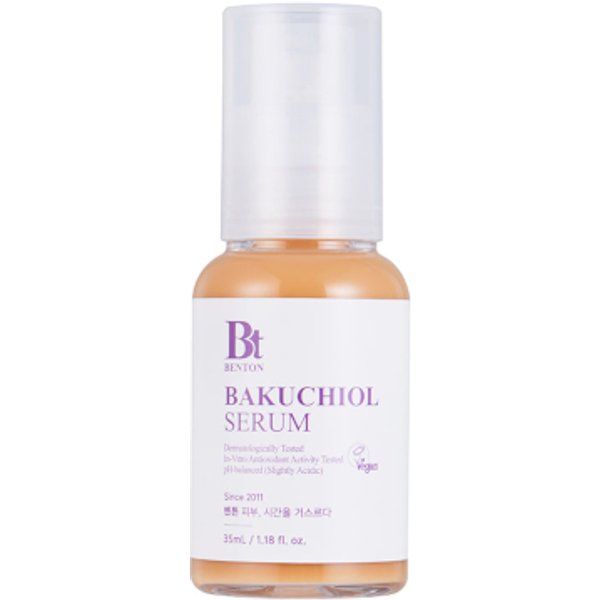 BentonBakuchiol Serum - 35ml$28.80
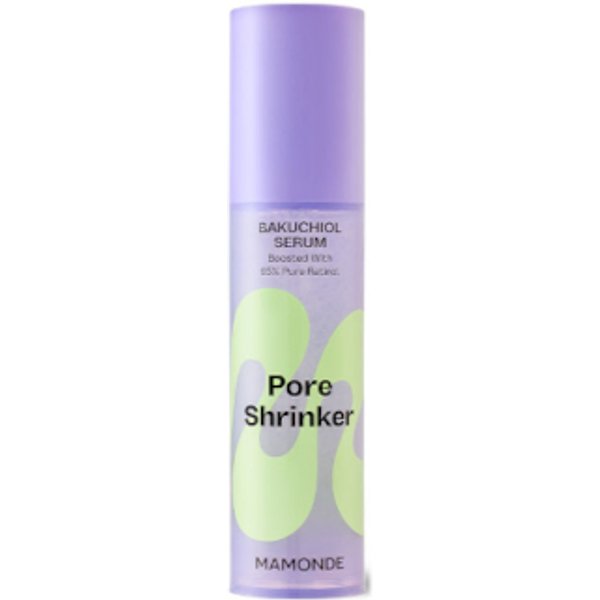 MamondePore Shrinker Bakuchiol Serum - 50ml$28.80
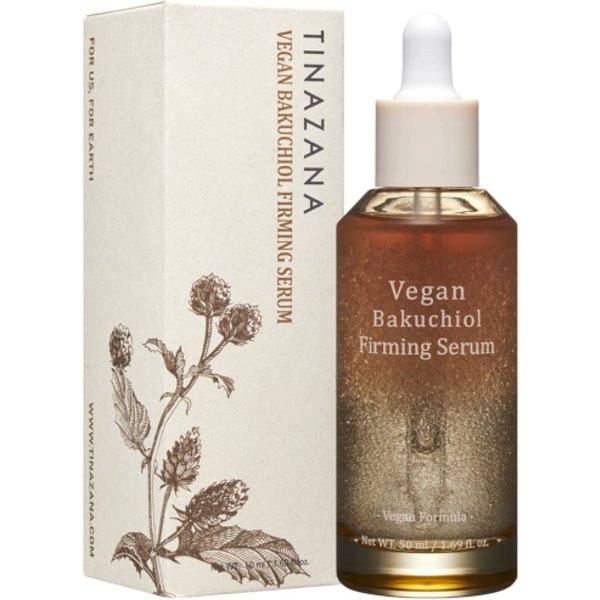 TINAZANAVegan Bakuchiol Firming Serum - 50ml$31.82
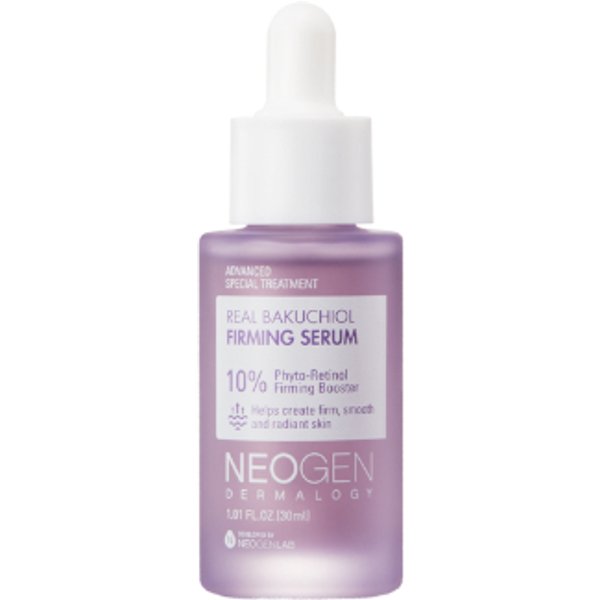 NEOGEN DermalogyReal Bakuchiol Firming Serum - 30ml$38.00
Already have one? Check how it fits your skin with Pick.
Common questions about Bakuchiol#
What is Bakuchiol?
- A plant-derived active that works on the look of fine lines and wrinkles, with a gentle feel that suits skin which finds retinol uncomfortable.
When should you apply Bakuchiol?
- Morning or evening. It stays stable in daylight, so it does not have to be an evening-only step.
How often can you use Bakuchiol?
- Daily.
Where do you apply Bakuchiol?
- All over the face. Keep it away from your eyes and lips.
Can you use Bakuchiol around the eyes?
- Yes. Bakuchiol goes all over the face, the skin around the eyes included — keep it out of your eyes and off your lips.
Does Bakuchiol make skin more sensitive to the sun?
- No. Bakuchiol is not flagged as increasing sun sensitivity.
What should you not use with Bakuchiol?
- Nothing flagged. None of the ingredients this wiki covers needs to be kept apart from Bakuchiol — check the label of anything not covered here.
Who should avoid Bakuchiol?
- Go slowly with Maternity & Nursing, Fragile or Sensitive, Recent Facial or Laser, Prone to Redness and Dry or Itchy Patches.
Is there a cosmetic limit for Bakuchiol?
- No. No cosmetic regulator in the United States, Canada, the European Union or Great Britain sets a maximum strength for it. That is a limit on the rules, not a signal to use more.
Related ingredients#
How we check this#
Everything on this page traces to the sources listed below — regulators' own publications and published studies. Where the evidence does not answer a question, it is left unanswered.
Some sources below are the official product information for prescription medicines, cited for how they interact with this ingredient. We use them for their safety and handling detail only. A cosmetic product is not one of those medicines and is not intended to treat any condition.
Our review is AI-assisted and is not a named expert's opinion. Last reviewed August 8, 2026.
Think something here is out of date or wrong? Email us at wiki@skinintelligence.ai with your reasoning and where you read it. We read what people send, and we update the page when the sources support it.
Regulators and official bodies · 6
- S23Regulation (EC) No 1223/2009 on cosmetic products, Annex II (list of substances prohibited in cosmetic products), entry 358 (furocoumarins), entry 34 (imperatorin), entry 35 (Ammi majus L.). Retained EU law as published at legislation.gov.uk — applies to both EU and UK.
- S24Regulation (EC) No 1223/2009 on cosmetic products, Annex III (restricted substances). No bakuchiol, Psoralea or furocoumarin entry. legislation.gov.uk.
- S25Health Canada, Cosmetic Ingredient Hotlist: Prohibited and Restricted Ingredients — "Furocoumarins, except for naturally occurring in plant extracts", CAS 66-97-7, sun tanning products, 1 mg/kg (1 ppm).
- S26US FDA, Prohibited & Restricted Ingredients in Cosmetics — no entry for bakuchiol, furocoumarins, psoralens or Psoralea.
- S27Roaccutane 10 mg soft capsules, Summary of Product Characteristics, §4.3, §4.4, §4.5, §4.6 (emc product 100633). Evidence about isotretinoin, not about bakuchiol.
- S28Differin Gel 0.1% w/w, Summary of Product Characteristics, §4.3, §4.4, §4.5, §4.6 (emc product 921). Evidence about adapalene, not about bakuchiol.
Studies and references · 23
- S1Dhaliwal S, Rybak I, Ellis SR, Notay M, Trivedi M, Burney W, Vaughn AR, Nguyen M, Reiter P, Bosanac S, Yan H, Foolad N, Sivamani RK. Prospective, randomized, double-blind assessment of topical bakuchiol and retinol for facial photoageing. Br J Dermatol 2019;180(2):289–296. PMID 29947134. DOI 10.1111/bjd.16918.
- S2Chaudhuri RK, Bojanowski K. Bakuchiol: a retinol-like functional compound revealed by gene expression profiling and clinically proven to have anti-aging effects. Int J Cosmet Sci 2014;36(3):221–230. PMID 24471735.
- S3Draelos ZD, Gunt H, Zeichner J, Levy S. Clinical Evaluation of a Nature-Based Bakuchiol Anti-Aging Moisturizer for Sensitive Skin. J Drugs Dermatol 2020;19(12):1181–1183. PMID 33346506. DOI 10.36849/JDD.2020.5522.
- S4Bluemke A, Ring AP, Immeyer J, Hoff A, Eisenberg T, Gerwat W, Meyer F, Breitkreutz S, Klinger LM, Brandner JM, Sandig G, Seifert M, Segger D, Rippke F, Schweiger D. Multidirectional activity of bakuchiol against cellular mechanisms of facial ageing. Int J Cosmet Sci 2022;44:377–393. PMID 35514037.
- S5Brownell L, Geen S, E Y, Lee WL. A Clinical Study Evaluating the Efficacy of Topical Bakuchiol (UP256) Cream on Facial Acne. J Drugs Dermatol 2021;20(3):307–310. PMID 33683079.
- S6Poláková K, Fauger A, Sayag M, Jourdan E. A dermocosmetic containing bakuchiol, Ginkgo biloba extract and mannitol improves the efficacy of adapalene in patients with acne vulgaris. Clin Cosmet Investig Dermatol 2015;8:187–191. PMID 25914553.
- S7Puyana C, Chandan N, Tsoukas M. Applications of bakuchiol in dermatology: Systematic review of the literature. J Cosmet Dermatol 2022;21(12):6636–6643. PMID 36176207.
- S8Fanning JE, McGee SA, Ibrahim OI. Human Clinical Trials Using Topical Bakuchiol Formulations for the Treatment of Skin Disorders: A Systematic Review. J Drugs Dermatol 2024;23(4):239–243. PMID 38564402.
- S9Mota S, Rosa GP, Barreto MC, Garrido J, Sousa E, Cruz MT, Almeida IF, Quintas C. Comparative Studies on the Photoreactivity, Efficacy, and Safety of Depigmenting Agents. Pharmaceuticals (Basel) 2023;17:55. PMID 38256889 · PMC10820089.
- S10Alalaiwe A, Hung CF, Leu YL, Tahara K, Chen HH, Hu KY, Fang JY. The active compounds derived from Psoralea corylifolia for photochemotherapy against psoriasis-like lesions. Eur J Pharm Sci 2018;124:114–126. PMID 30153523.
- S11Jeong M, Hong T, Lee K, Hwangbo H, Kim M, Ma W, Zahn M. HPLC Method for Simultaneous Quantification of Bakuchiol and Minor Furocoumarins in Bakuchiol Extract from Psoralea corylifolia. J AOAC Int 2015;98(4):902–906. PMID 26268970.
- S12Xu M, Tian XY, Leung KS, Lee KC, Chow TC, Deng B, Yiu CM, Chow CI, Zhao ZZ, Yang ZJ, Fun FW, Xiao TT, Xu W, Deng PX. Embryotoxicity of Psoralea corylifolia L.: in vivo and in vitro studies. Birth Defects Res B Dev Reprod Toxicol 2012;95(6):386–394. PMID 23169613.
- S13Shen X, Wang R, He J, Wang N, Zhang W, Zhou L, Li C, Zeng Y, Ao T, Deng H, Zhou K, Shen P, Gao Y, Zhou W. Reproductive toxicity of Fructus Psoraleae in zebrafish: material basis and implications for clinical safety dosing. Phytomedicine 2026;155:158194. PMID 41999703.
- S14Malinauskiene L, Linauskiene K, Černiauskas K, Chomičiene A. Bakuchiol — A new allergen in cosmetics. Contact Dermatitis 2019;80(6):398–399. PMID 30644106.
- S15Raison-Peyron N, Dereure O. A new case of contact dermatitis to bakuchiol in a cosmetic cream. Contact Dermatitis 2020;82:61–62. PMID 31423588.
- S16Sánchez-Arjona M, Rosell-Díaz ÁM, Castaño-Fernández JL, Elosua-González M. Allergic Contact Dermatitis to Bakuchiol Used for Photodamage Prevention: A Case Report. Contact Dermatitis 2026;95(2):229–230. PMID 42014129.
- S17Shi X, Wang Y, Zhang H, Zhang T. Prospective, Randomized, Double-Blind Assessment of Supramolecular Bakuchiol and Terminalia Chebula Extract for Facial Photoaging in Chinese Sensitive Skin Population. Health Sci Rep 2025;8:e71629. PMID 41424674.
- S18Brown A, Furmanczyk M, Ramos D, Ribes A, Pons L, Bustos J, de Henestrosa ARF, Granger C, Jourdan E. Natural Retinol Analogs Potentiate the Effects of Retinal on Aged and Photodamaged Skin. Dermatol Ther (Heidelb) 2023;13:2299–2317. PMID 37615835.
- S19Nizam NN, Mahmud S, Ark SMA, Kamruzzaman M, Hasan MK. Bakuchiol, a natural constituent and its pharmacological benefits. F1000Res 2023;12:29. PMID 38021404 · PMC10683784.
- S20Grzelecka M, Siudem P, Tyburc N, Triyasmono L, Holzgrabe U, Paradowska K. Comparison of Quantification Using UV-Vis, NMR, and HPLC Methods of Retinol-Like Bakuchiol Present in Cosmetic Products. Int J Mol Sci 2025;26:6638. PMID 40724887 · PMC12295351.
- S21Kurpet K, Chwatko G. Development of a new chromatographic method for the determination of bakuchiol in cosmetic products. Sci Rep 2023;13:13893. PMID 37620384.
- S22Chaudhuri RK. Bakuchiol: From structural mimicry to systems-level skin biology. Int J Cosmet Sci 2026 (online ahead of print). PMID 42332430. DOI 10.1111/ics.70116.
- S29ClinicalTrials.gov NCT03112863, "Comparison of the Cosmetic Effects of Bakuchiol and Retinol" — registry record for S1; 44 actual enrolment; arms "Bakuchiol 0.5% applied to face twice daily" and "0.5% retinol applied to face nightly"; exclusions include pregnant or breastfeeding women, acne, eczema, seborrhoeic dermatitis, rosacea, isotretinoin within 6 months, topical retinoids or antibiotics within 30 days, and chemical peels, laser or injectables within 3 months.