What does Retinol do?#
Retinol (vitamin A) is a well-known cosmetic active that helps improve the appearance of fine lines, wrinkles, and uneven skin texture. With consistent use, it helps reveal a smoother, more youthful-looking complexion over time.
Benefits
- Helps reduce the visible appearance of fine lines and wrinkles
- Supports a smoother, more refined skin texture
- Promotes a more even-looking skin tone over time
How it works
Retinol is a well-known form of vitamin A that has been used in skincare for decades. With consistent evening use, it helps reveal fresher, smoother-looking skin over time. It contributes to the appearance of firmer, more refined skin and helps promote a more even-looking tone. Results are gradual and build with continued use.
What to expect
When you first introduce a retinoid, your skin may go through an adjustment period (typically weeks 2-6) where you might temporarily experience dryness, flaking, or minor breakouts. This is a normal response as your skin adapts. If irritation is significant, reduce frequency and consult your healthcare provider.
How to use Retinol#
Best time
Evening only, never a morning step.
How often
Start at two or three evenings a week and build up from there. Going faster does not get you there sooner.
Where to apply
Spread it away from your eyes, lips, and the corners of your nose and mouth.
How to apply
On clean, dry skin — let your face dry fully after cleansing before you apply it.
Sun
Retinol makes skin more sensitive to sunlight, so a broad-spectrum SPF 30+ the next morning goes with it.
Alongside others
A moisturizer alongside it helps — before or after, whichever suits your skin.
Keep it to a different evening from exfoliating acids.
What to expect
Expect a settling-in period. Dryness, flaking and some new blemishes are common in the first few weeks and usually pass by around the third month.
If you have a darker skin tone, a gentler strength is a good place to start, since strong actives can cause temporary uneven tone.
If it doesn't suit
If it stings or flakes more than you would like, use it less often or pause for a few days, then ease back in.
Contains Vitamin A. Consider your daily intake before use. Retinoids can make skin more sensitive to sunlight. Discontinue use if persistent irritation occurs.
The form you will see it in
Retinol serum
- Where it goes
- Before moisturizer
Using Retinol with other ingredients
Pairs well with Retinol
Niacinamide
Works well togetherNo conflict between the two — they can be used in the same evening routine.
Hyaluronic acid
Works well togetherHyaluronic acid adds hydration alongside your retinoid step.
Squalane
Works well togetherUsing a moisturizer alongside your retinoid helps offset dryness during the adjustment period.
Ectoin
Works well togetherEctoin can help support skin comfort during retinol adjustment.
Ceramides
Works well togetherCeramides alongside retinol help keep skin feeling comfortable while you build up use.
Panthenol (B5)
Works well togetherPanthenol helps ease the dry, tight feeling that can come with a new retinoid.
What not to use with Retinol
Cysteamine
Different timesThese two are better applied on separate evenings rather than layered together.
Exfoliants
Different timesRetinoids and exfoliants can both feel drying, so they’re best kept to separate evenings.
Enzyme Exfoliants · Glycolic Acid (AHA) · Lactic Acid (AHA) · LHA · Mandelic Acid (AHA) · PHA (Polyhydroxy Acid) · Salicylic Acid (BHA)
Eye-area retinol
Different timesThese are the same active in two places — introduce the eye version gradually so the total stays comfortable.
Kojic acid
Different timesThese two are better applied on separate evenings rather than layered together.
Vitamin C
Different timesVitamin C suits the morning and retinol the evening, so they’re more comfortable kept to different times of day.
Who should avoid Retinol?#
Six situations change whether Retinol suits your skin right now. Each one is either a reason to skip it, a reason to go slowly, or nothing to watch for.
- Maternity & Nursing
- Skip it
- Fragile or Sensitive
- Skip it
- Recent Facial or Laser
- Skip it
- Prone to Redness
- Skip it
- Dry or Itchy Patches
- Skip it
- Recent Shave or Wax
- Skip it
Cosmetic strength limits for Retinol where you live#
| Region | Most a cosmetic may contain | |
|---|---|---|
 United States United States | No explicit cap | |
The FDA restricts a short list of ingredients and sets no general strength ceiling on the rest. A figure marked "guidance, not law" is the Cosmetic Ingredient Review panel's recommendation. 21 CFR part 700, subpart B — Requirements for Specific Cosmetic Products (FDA) | ||
 Canada Canada | 1.0% (face); 0.2% (body leave-on) | |
One list does the work — Health Canada's Hotlist of prohibited and restricted cosmetic ingredients. | ||
 European Union European Union | 0.3% (face / rinse-off); 0.05% (body lotion) | |
The Cosmetics Regulation's annexes, consolidated to 1 May 2026. A figure marked "guidance, not law" comes from the EU's cosmetic safety committee rather than from the annexes. | ||
 Great Britain Great Britain | No explicit cap (Great Britain); 0.3% face, 0.05% body (Northern Ireland) | |
Great Britain kept the annexes as its own law and updates them only when it chooses; Northern Ireland follows the live EU Regulation, which is why some rows read differently for each. Regulation (EC) No 1223/2009 as it applies in Great Britain · Regulation (EC) No 1223/2009, Annexes II–VI | ||
 India India | No explicit cap | |
India writes its own standard, aligned to the European rules as they stood in 2012. Mandatory since 9 February 2026. IS 4707 (Part 2):2025 — restricted and prohibited cosmetic ingredients · IS 4707 (Part 3):2025 — preservatives · Cosmetics Rules, 2020, Ninth Schedule | ||
 Brazil Brazil | No explicit cap | |
ANVISA rewrote its restricted list in June 2026, and a companion act amended the prohibited list at the same time. RDC 1.029/2026 — restricted ingredients · RDC 529/2021 — prohibited ingredients, as amended by RDC 1.030/2026 · RDC 528/2021 — preservatives | ||
 Japan Japan | No explicit cap | |
Japan's cosmetics standard keeps drug ingredients out of cosmetics, so most of its figures sit in the ministry's list of the ones a cosmetic may still contain. Cosmetics Standards (化粧品基準), Ministry of Health, Labour and Welfare · Cosmetics Standards — the ministry's own English translation · Drug ingredients permitted in cosmetics — 2007 notification | ||
 South Korea South Korea | No explicit cap | |
One MFDS regulation carries both the prohibited list and the restricted list, in force 18 March 2026. Sunscreens and a few other categories are cleared product by product instead. Regulation on Safety Standards for Cosmetics (MFDS Notification 2026-19) · Regulation on the Review of Functional Cosmetics (MFDS Notification 2025-88) | ||
 Kenya Kenya | 0.3% (face / rinse-off); 0.05% (body lotion) | |
Kenya's standard applies the EU annexes as they stand rather than copying them, so its ingredient limits are the EU's — including the 2024 additions. A figure marked "guidance, not law" sits outside the annexes and does not carry over. KS EAS 377-1, -2 and -3:2022 — cosmetics safety requirements, published by KEBS · Regulation (EC) No 1223/2009, Annexes II–VI | ||
 Namibia Namibia | No explicit cap | |
Namibia sets no ingredient limits at all. Its cosmetic rule is a single line requiring a product to be free of any harmful ingredient. Foodstuffs, Cosmetics and Disinfectants Ordinance 18 of 1979, and the regulations under it | ||
 Ukraine Ukraine | No explicit cap | |
Ukraine's own transposition of the EU annexes, as they stood before the 2024 additions, fully in force since 3 August 2026. A further revision is due on 1 February 2027. Technical Regulation on cosmetic products — Cabinet Resolution No. 65 of 20 January 2021 | ||
 Georgia Georgia | No explicit cap | |
Georgia has no cosmetics rulebook — its register of technical regulations carries no cosmetics entry — so only the general product-safety duty applies. | ||
 Australia Australia | 1% (as Vitamin A, topical) | |
Australia writes no cosmetic ingredient list. A figure here is the point at which a substance becomes a medicine or a scheduled substance carrying Caution labeling, so its numbers sit well above other markets'. Poisons Standard — June 2026 · Therapeutic Goods (Excluded Goods) Determination 2018 | ||
 United Arab Emirates United Arab Emirates | 0.3% (face / rinse-off); 0.05% (body lotion) | |
The Gulf standard points at the EU annexes as amended, so its ingredient limits are the EU's. A figure marked "guidance, not law" sits outside the annexes and does not carry over. GSO 1943:2024 — Cosmetic products: safety requirements (Gulf technical regulation) · Regulation (EC) No 1223/2009, Annexes II–VI | ||
 Kuwait Kuwait | 0.3% (face / rinse-off); 0.05% (body lotion) | |
The Gulf standard points at the EU annexes as amended, so its ingredient limits are the EU's. A figure marked "guidance, not law" sits outside the annexes and does not carry over. GSO 1943:2024 — Cosmetic products: safety requirements (Gulf technical regulation) · Regulation (EC) No 1223/2009, Annexes II–VI | ||
 Hong Kong Hong Kong | No explicit cap | |
Hong Kong writes no cosmetics rulebook. Its Poisons List (Cap. 138A, Schedule 10) decides which substances may be sold only as medicines, and general safety is judged case by case against whichever overseas standard the enforcer considers reasonable. Pharmacy and Poisons Regulations (Cap. 138A), Schedule 10 — the poisons list · Pharmacy and Poisons Board — Guidance Notes on classifying pharmaceutical products, April 2026 | ||
 Singapore Singapore | No explicit cap | |
Singapore writes the ASEAN annexes into its own schedule, and its regulator tells companies to check the current ASEAN release as well — which is why a figure here can read "guidance, not law". Health Products (Cosmetic Products — ASEAN Cosmetic Directive) Regulations 2007, Third Schedule · ASEAN Cosmetic Directive annexes — release 2026-1, 22 June 2026 | ||
 Brunei Brunei | No explicit cap | |
Brunei carries the 2007 ASEAN annexes in its own schedule and has not updated them since, so it reads differently from Singapore on several ingredients. Medicines (Cosmetic Products) Regulations (Cap. 285 Rg 1), Schedule 1 — revised edition 2024 | ||
 Jordan Jordan | No explicit cap | |
Jordan's cosmetic rules defer to "the approved references" and name none of them, so there is no Jordanian figure to read. The only number in the instrument governs the ingredient list on the pack. JFDA instructions on cosmetics and pharmaceutical cosmetics, 2026 | ||
 Trinidad & Tobago Trinidad & Tobago | No explicit cap | |
Trinidad and Tobago has had the power to set cosmetic standards since 1960 and has never used it. The regulations made under the Act cover food and drugs, with no cosmetics part; what binds is the Act's general rule against selling a cosmetic that may injure the user. Food and Drugs Act, Chap. 30:01 · Food and Drugs Regulations | ||
Where a figure appears, that is the maximum strength allowed or advised for retinol in that market — some are set in cosmetics regulation, others are the ceiling a cosmetic safety panel recommends. Where no figure appears, the market either sets no cosmetic maximum or handles this ingredient outside its cosmetic rules. These are limits, not targets — the right strength for a formula is the formulator's decision.
Open a market to see the rulebook its figure comes from. Those notes describe each market's own rules as we read them, current to August 24, 2026; the linked documents are the authority, and nothing here is legal advice.
Sample products with Retinol#
A few well-known products, not a full list — product names are each brand's own. We don't sell them — the shop prices them in US dollars and ships from Hong Kong, so delivery and duties come on top. It may not ship everywhere.
We may earn a small commission when you buy through these links.
Serums · 16
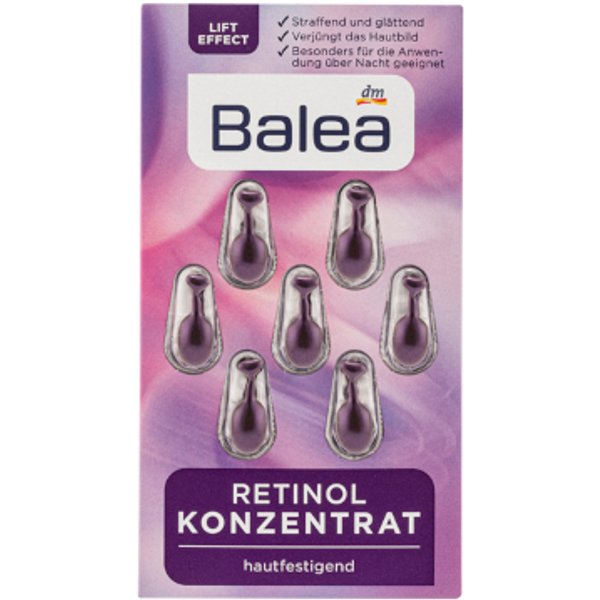 BaleaRetinol Concentrate - 7 Capsules$3.69
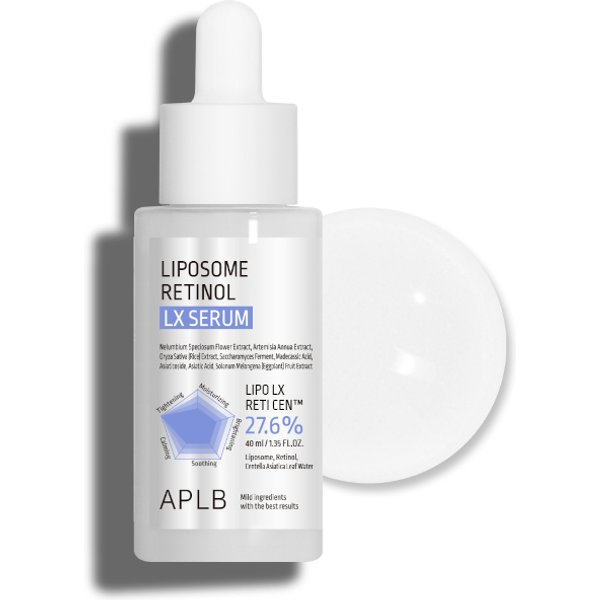 APLBLiposome Retinol LX Serum - 40ml$9.80Also on YesStyle
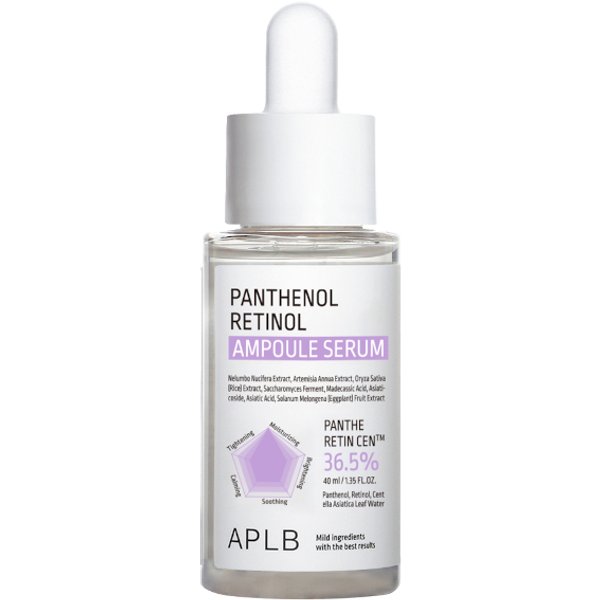 APLBPanthenol Retinol Ampoule Serum - 40ml$9.80Also on Stylevana
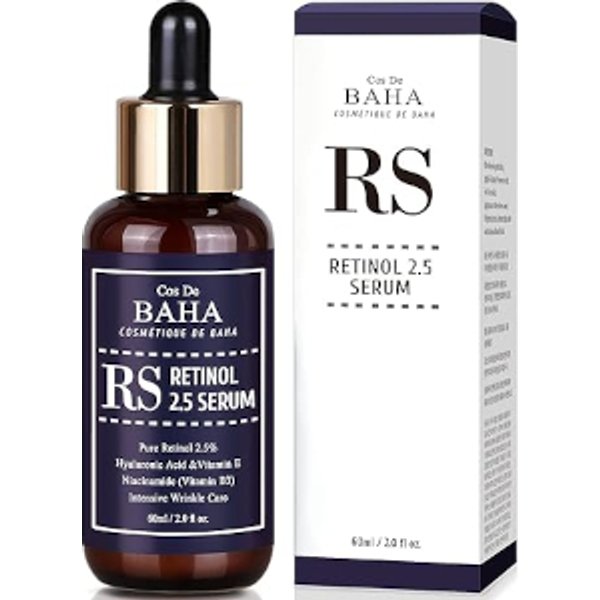 Cos De BAHARetinol Serum (RS60) - 60ml$11.39
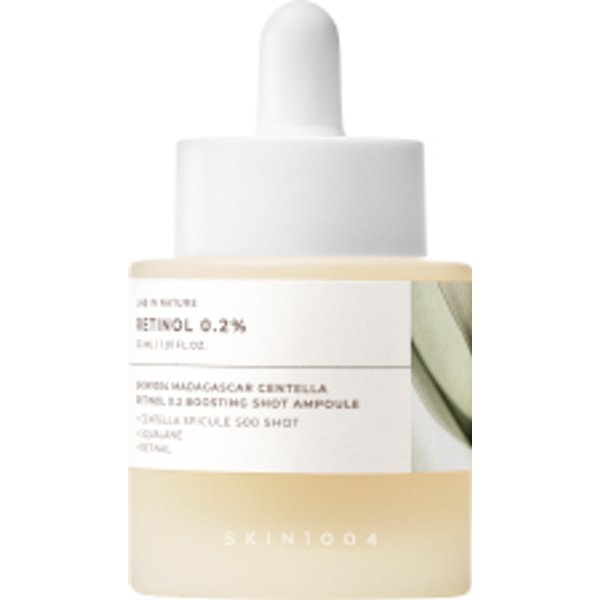 SKIN1004Madagascar Centella Retinol 0.2 Boosting Shot Ampoule - 30ml$11.89Also on YesStyle
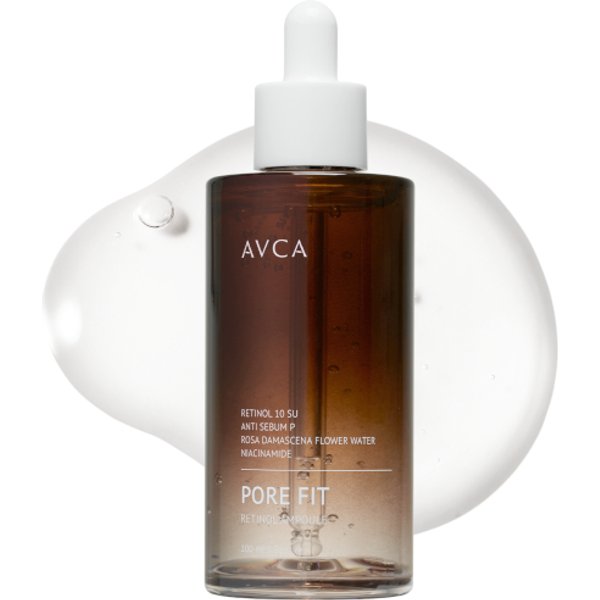 AVCAPore Fit Retinol Serum - 100ml$13.31
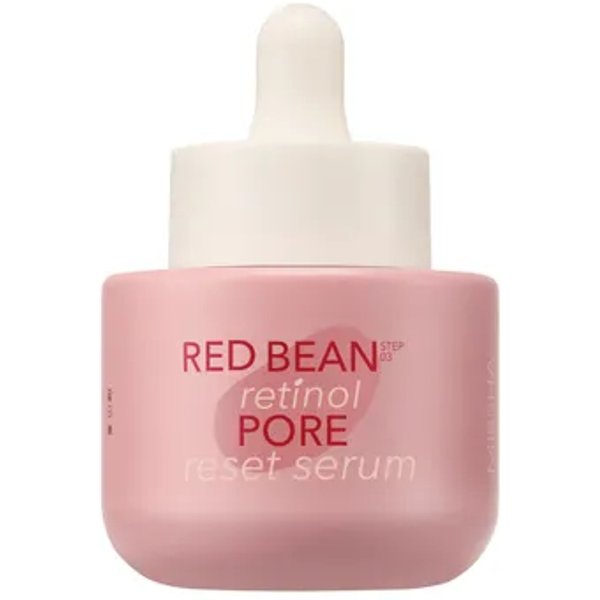 MISSHARed Bean Retinol Pore Reset Serum - 30ml$14.21Also on Stylevana
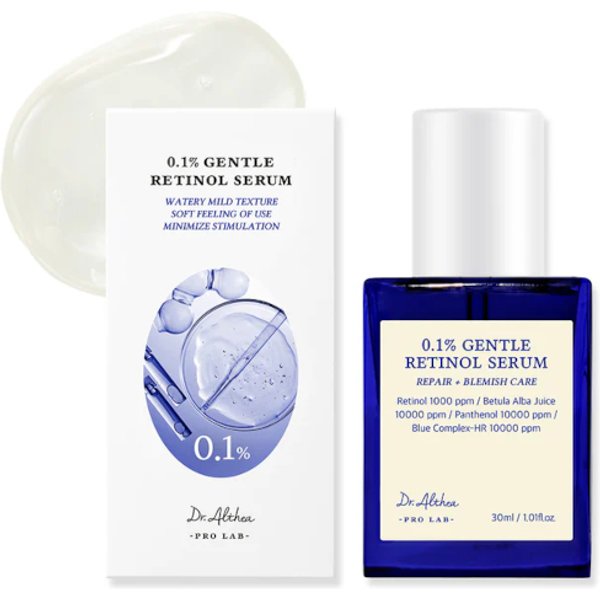 Dr. Althea0.1% Gentle Retinol Serum - 30ml$19.12Also on Stylevana
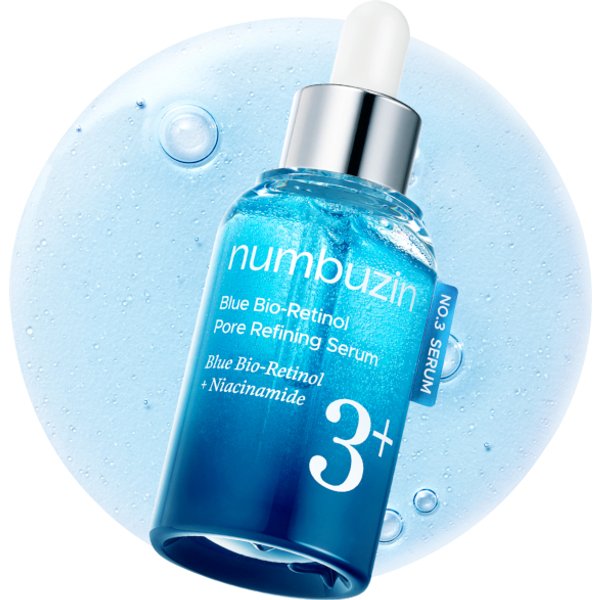 numbuzinNo.3 Blue Bio-Retinol Pore Refining Serum - 30ml$19.60
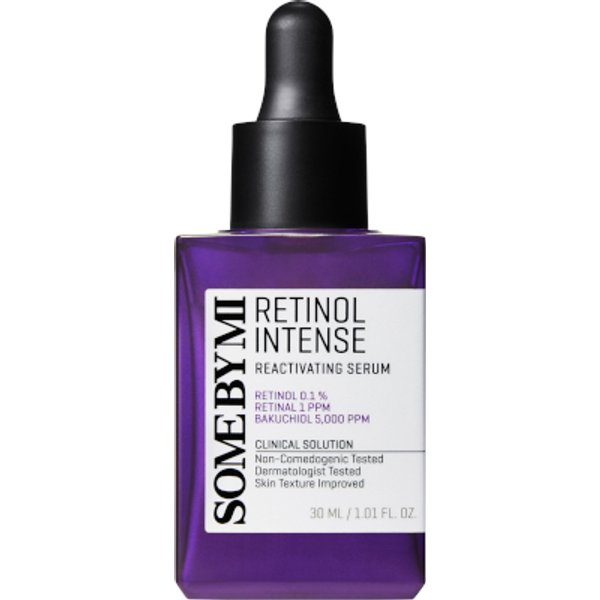 SOME BY MIRetinol Intense Reactivating Serum - 30ml$20.66
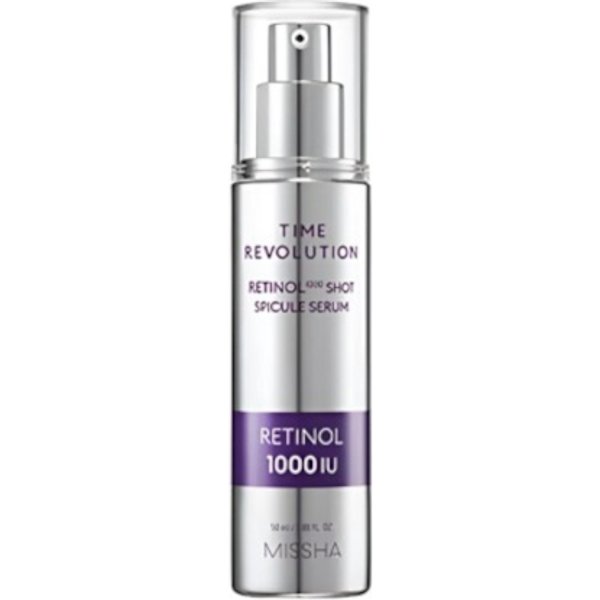 MISSHATime Revolution Retinol 1000 Shot Spicule Serum - 50ml$23.04Also on Stylevana
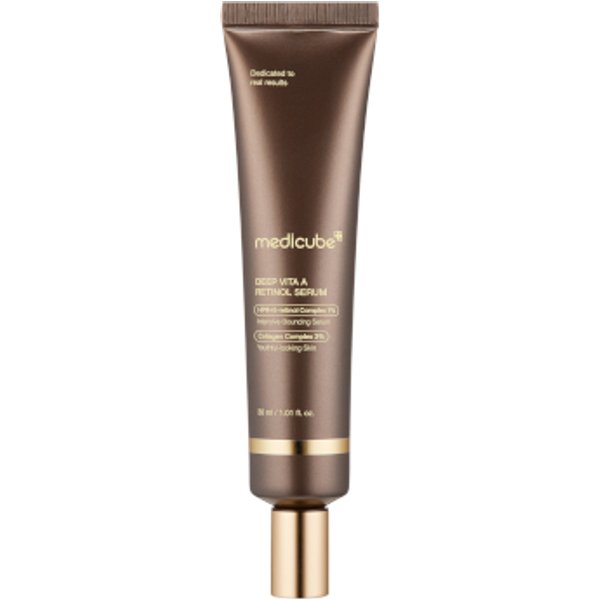 medicubeDeep Vita A Retinol Serum - 30ml$23.90Also on YesStyle
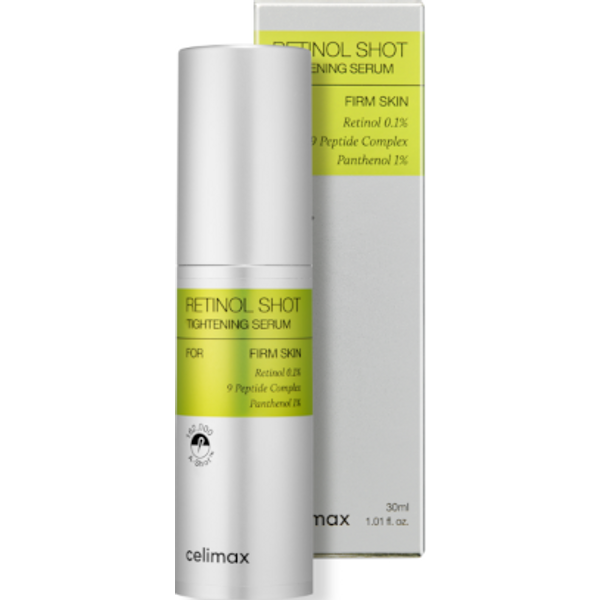 CELIMAXThe Vita-A Retinol Shot Tightening Serum - 30ml$24.30Also on YesStyle
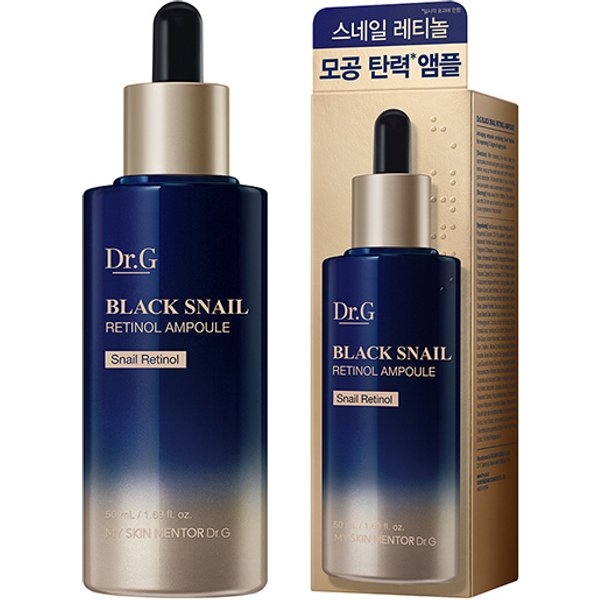 Dr.GBlack Snail Retinol Ampoule - 50ml$24.47Also on YesStyle
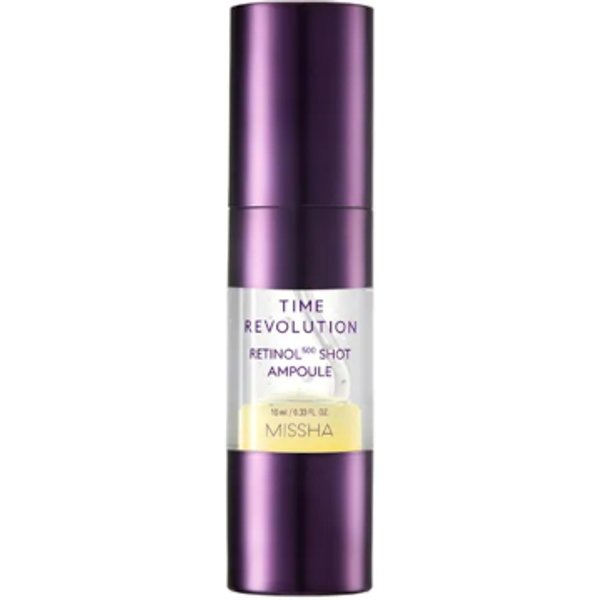 MISSHATime Revolution Retinol 500 Shot Ampoule - 10ml$25.30
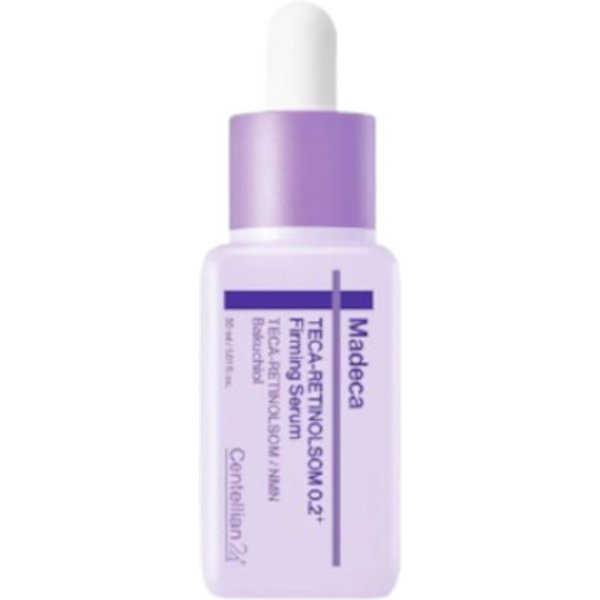 CENTELLIAN 24Madeca Teca-Retinolsom 0.2+ Firming Serum - 30ml$28.00Also on Stylevana
Already have one? Check how it fits your skin with Pick.
Common questions about Retinol#
What is Retinol?
- A vitamin A derivative that works on the look of fine lines and uneven texture. It is an active that rewards easing in slowly.
What else is Retinol called?
- On a label you may see Retinoid, Vitamin A and Retinyl.
When should you apply Retinol?
- Evening. Evening only, never a morning step.
How often can you use Retinol?
- 3× a week to daily, all over the face, not the eye area.
Where do you apply Retinol?
- All over the face, not the eye area. Keep it off your lips too.
Can you use Retinol around the eyes?
- No. Retinol goes all over the face, not the eye area. For the eye area, see Retinol (Eye Area).
Does Retinol make skin more sensitive to the sun?
- Yes — use sunscreen the next morning.
What should you not use with Retinol?
- Space it apart from Cysteamine, Exfoliants, Eye-area retinol, Kojic acid and Vitamin C.
Who should avoid Retinol?
- Skip it if any of these apply: Maternity & Nursing, Fragile or Sensitive, Recent Facial or Laser, Prone to Redness, Dry or Itchy Patches and Recent Shave or Wax.
Is there a cosmetic limit for Retinol?
- Only some regions set one. The maximum strength for Retinol in a cosmetic is 1.0% (face); 0.2% (body leave-on) in Canada and 0.3% (face / rinse-off); 0.05% (body lotion) in the European Union. No maximum is set in the United States and Great Britain. A cap is a limit on the rules, not a signal to use more.
Related ingredients#
How we check this#
Everything on this page traces to the sources listed below — regulators' own publications and published studies. Where the evidence does not answer a question, it is left unanswered.
Some sources below are the official product information for prescription medicines, cited for how they interact with this ingredient. We use them for their safety and handling detail only. A cosmetic product is not one of those medicines and is not intended to treat any condition.
Our review is AI-assisted and is not a named expert's opinion. Last reviewed August 4, 2026.
Think something here is out of date or wrong? Email us at wiki@skinintelligence.ai with your reasoning and where you read it. We read what people send, and we update the page when the sources support it.
Regulators and official bodies · 13
- S1Commission Regulation (EU) 2024/996 of 3 April 2024 amending Regulation (EC) No 1223/2009 as regards the use of Vitamin A, Alpha-Arbutin and Arbutin and certain substances with potential endocrine disrupting properties in cosmetic products. Annex III entry 376. EUR-Lex CELEX:32024R0996.
- S2SCCS (Scientific Committee on Consumer Safety). Revision of the scientific Opinion (SCCS/1576/16) on vitamin A (Retinol, Retinyl Acetate, Retinyl Palmitate). SCCS/1639/21, final version 24–25 October 2022.
- S3Health Canada. Cosmetic Ingredient Hotlist: Prohibited and Restricted Ingredients. Entries "Retinol and its esters" (Restricted) and "Retinoic Acid and its salts" (Prohibited).
- S4US FDA. Prohibited & Restricted Ingredients in Cosmetics (21 CFR part 700 subpart B).
- S5legislation.gov.uk. UK Statutory Instruments listing for "cosmetic" and full-text searches for "Retinyl Palmitate" / "Retinol".
- S6Cosmetic Ingredient Review. Re-review document on Retinol and Retinyl Palmitate (memorandum to the CIR Expert Panel, quoting the 1987 final report conclusion confirmed in 2005).
- S7Differin 0.1% w/w Gel — Summary of Product Characteristics (adapalene), Galderma (U.K.) Ltd, revised 4 October 2022, emc.
- S8Roaccutane 20 mg soft capsules — Summary of Product Characteristics (isotretinoin), emc.
- S9RETIN-A (tretinoin) cream / RETIN-A (tretinoin) gel — FDA-approved labeling, via DailyMed.
- S10AKLIEF (trifarotene) cream — FDA-approved labeling, Galderma Laboratories LP, via DailyMed.
- S11MotherToBaby. Topical Acne Treatments fact sheet.
- S12MotherToBaby. Tretinoin (Retin-A) fact sheet.
- S13National Rosacea Society. Rosacea Skin Care & Cosmetics; Seal of Acceptance — Guidelines for Approval.
Studies and references · 29
- S14Spierings NMK. Evidence for the Efficacy of Over-the-counter Vitamin A Cosmetic Products in the Improvement of Facial Skin Aging: A Systematic Review. J Clin Aesthet Dermatol. 2021 Sep;14(9):33–40. PMID 34980969.
- S15Mellody KT, et al. Multifaceted amelioration of cutaneous photoageing by (0.3%) retinol. Int J Cosmet Sci. 2022 Dec;44(6):625–635. PMID 35778881; PMC9826105; doi 10.1111/ics.12799.
- S16Kong R, et al. A comparative study of the effects of retinol and retinoic acid on histological, molecular, and clinical properties of human skin. J Cosmet Dermatol. 2016 Mar;15(1):49–57. PMID 26578346.
- S17Fluhr JW, et al. Tolerance profile of retinol, retinaldehyde and retinoic acid under maximized and long-term clinical conditions. Dermatology. 1999;199 Suppl 1:57–60. PMID 10473963.
- S18Ying Y, et al. Evaluating the Efficacy of Soothing Agents in Mitigating 0.1% Retinol-Induced Skin Irritation: A Patch Test. J Cosmet Dermatol. 2025 Oct;24(10):e70488. PMID 41044804; PMC12494960.
- S19Fang Y, et al. Mitigation of retinol-induced skin irritation by physiologic lipids: Evidence from patch testing. J Cosmet Dermatol. 2024 Aug;23(8):2743–2749. PMID 38628085; doi 10.1111/jocd.16330.
- S20Seité S, et al. Histological evaluation of a topically applied retinol-vitamin C combination. Skin Pharmacol Physiol. 2005 Mar–Apr;18(2):81–87. PMID 15767769.
- S21Mukherjee S, et al. Retinoids in the treatment of skin aging: an overview of clinical efficacy and safety. Clin Interv Aging. 2006. PMC2699641.
- S22Shao Y, et al. Molecular basis of retinol anti-ageing properties in naturally aged human skin in vivo. Int J Cosmet Sci. 2017 Feb;39(1):56–65. PMID 27261203.
- S23Rossetti D, et al. A novel anti-ageing mechanism for retinol: induction of dermal elastin synthesis and elastin fibre formation. Int J Cosmet Sci. 2011 Feb;33(1):62–69. PMID 20704601.
- S24Callender VD, et al. Effects of Topical Retinoids on Acne and Post-inflammatory Hyperpigmentation in Patients with Skin of Color: A Clinical Review and Implications for Practice. Am J Clin Dermatol. 2022 Jan;23(1):69–81. PMID 34751927; PMC8776661.
- S25Kaufman J, et al. Efficacy and Tolerability of a Retinoid Eye Cream for Fine to Moderate Wrinkles of the Periorbital Region. J Drugs Dermatol. 2022 Sep 1;21(9):932–937. PMID 36074511.
- S26Herndon JH Jr, et al. An Open Label Clinical Trial to Evaluate the Efficacy and Tolerance of a Retinol and Vitamin C Facial Regimen in Women With Mild-to-Moderate Hyperpigmentation and Photodamaged Facial Skin. J Drugs Dermatol. 2016 Apr;15(4):476–482. PMID 27050703.
- S27Kryczyk-Poprawa A, et al. Photostability of Topical Agents Applied to the Skin: A Review. Pharmaceutics. 2020;12(1):10. doi 10.3390/pharmaceutics12010010. (First author confirmed via Crossref; not indexed under this title in PubMed.).
- S28Arif T. Salicylic acid as a peeling agent: a comprehensive review. Clin Cosmet Investig Dermatol. 2015;8:455. PMC4554394.
- S29Anitha B. Prevention of complications in chemical peeling. J Cutan Aesthet Surg. 2010 Sep. PMC3047741.
- S30Bjerring P, et al. International Expert Consensus on Integrated Skincare Active Ingredients for Pretreatment and Posttreatment Use With Medical Aesthetic Procedures to Enhance Skin Benefits. J Cosmet Dermatol. 2026 May. PMID 42087526; PMC13145317.
- S31Kaplan YC, et al. Pregnancy outcomes following first-trimester exposure to topical retinoids: a systematic review and meta-analysis. Br J Dermatol. 2015 Nov. PMID 26215715; doi 10.1111/bjd.14053.
- S32Searle TN, et al. Cosmeceuticals in acne vulgaris: from mechanism of action to clinical application. Skin Health Dis. 2026 Mar. PMC13036733.
- S33Hamie H, et al. A review of the efficacy of popular eye cream ingredients. Int J Womens Dermatol. 2024 Jun. PMC11175953.
- S34Motamedi M, et al. A Clinician's Guide to Topical Retinoids. J Cutan Med Surg. 2022 Jan–Feb. PMC8750127.
- S35Glass GE. Cosmeceuticals: The Principles and Practice of Skin Rejuvenation by Nonprescription Topical Therapy. Aesthet Surg J Open Forum. 2020 Dec. PMC9905273.
- S36Wójcik A, et al. Influence of the complex of retinol-vitamin C on skin surface lipids. J Cosmet Dermatol. 2015 Jun;14(2):92–99. PMID 25810364.
- S37Tesoriere L, et al. Synergistic Interactions between Vitamin A and Vitamin E against Lipid Peroxidation in Phosphatidylcholine Liposomes. Arch Biochem Biophys. 1996 Feb 1. PMID 8579372.
- S38Martin B, et al. Chemical stability of adapalene and tretinoin when combined with benzoyl peroxide in presence and in absence of visible light and ultraviolet radiation. Br J Dermatol. 1998 Oct. PMID 9990414. (Cited for context on retinoid oxidation; benzoyl peroxide is not in this engine's partner roster.).
- S39Narsa AC, et al. A Comprehensive Review of the Strategies to Reduce Retinoid-Induced Skin Irritation in Topical Formulation. Dermatol Res Pract. 2024. PMC11344648.
- S40Acne Vulgaris. StatPearls / NCBI Bookshelf, NBK459173.
- S41Ortonne JP. Retinoid therapy of pigmentary disorders. Dermatol Ther. 2006 Sep–Oct. PMID 17014483.
- S42McDaniel DH, et al. Efficacy and tolerability of a double-conjugated retinoid cream vs 1.0% retinol cream or 0.025% tretinoin cream in subjects with mild to severe photoaging. J Cosmet Dermatol. 2017 Dec. PMID 28762645.