What does Retinol (Eye Area) do?#
A retinoid formulated specifically for the delicate eye area. It helps improve the visible appearance of fine lines, crow's feet, and uneven skin tone around the eyes, supporting a smoother, more youthful-looking eye contour.
Benefits
- Helps reduce the visible appearance of fine lines and crow's feet around the eyes
- Supports a smoother, more refined eye contour
- Promotes a more even-looking skin tone in the eye area
How it works
This eye-specific retinoid helps the delicate eye area look fresher and smoother over time. It contributes to a smoother-looking eye contour with consistent evening use. The skin around the eye is the thinnest on the face and has the weakest barrier, which is why it goes on the orbital bone rather than the lid and why easing in slowly matters here more than anywhere else.
What to expect
When first using a retinoid eye cream, expect an adjustment period of a few weeks with temporary dryness, tightness or sensitivity around the eye area. It is usually strongest in the first week or two and eases as you keep going. Reduce frequency if irritation occurs.
How to use Retinol (Eye Area)#
Before you start
Skip brow waxing or threading while you are using it.
Best time
Evening only, never a morning step.
How often
Start at two evenings a week and build up from there. The skin here is the thinnest on the face and takes longer to settle than anywhere else.
Where it goes
On clean dry skin, before any richer eye cream.
Where to apply
Along the orbital bone — the ridge under the eye and out toward the temple. Not on the moving eyelid, and not in the inner corner. If any gets in your eye, rinse straight away with plenty of lukewarm water.
How to apply
Pat it in gently rather than rubbing.
How much
A very small amount is enough.
Sun
A broad-spectrum SPF 30+ the next morning goes with it — retinoids make skin more sensitive to sunlight.
Alongside others
Keep it to a different evening from exfoliating acids.
What to expect
Expect a settling-in period. Dryness, tightness or sensitivity are common in the first week or two and ease as you keep going.
Darker skin tones can be more prone to temporary uneven tone from strong actives — keep an eye on how your skin responds, especially early on.
If it doesn't suit
If it stings or flakes more than you would like, drop a step in frequency or skip a night and use a plain moisturizer instead.
If your eyes start to feel dry or gritty, ease off — the skin and glands around the lid are sensitive to anything that migrates there.
Contains Vitamin A. Consider your daily intake before use. Retinoids can make the eye area more sensitive to sunlight. Avoid direct contact with eyes — if any gets in, rinse straight away with plenty of lukewarm water. Discontinue use if persistent irritation occurs.
The form you will see it in
Retinol eye cream
- Where it goes
- Around the eyes
Using Retinol (Eye Area) with other ingredients
Pairs well with Retinol (Eye Area)
Peptides (Eye Area)
Works well togetherA peptide eye cream in the morning sits well alongside a retinoid eye cream at night.
Ceramides
Works well togetherCeramides help the eye area stay comfortable while you ease into a retinoid.
Panthenol (B5)
Works well togetherPanthenol is a common soothing partner in retinoid eye formulas.
Centella Derivatives (Cica)
Works well togetherCica is often paired with retinol to keep the eye area feeling calm.
What not to use with Retinol (Eye Area)
Azelaic acid
Different timesAzelaic acid goes all over while the eye cream stays around the eyes — keep them to separate evenings so the eye area has time to settle.
Cysteamine
Different timesBetter applied on separate evenings rather than layered around the eyes.
Exfoliants
Different timesThe eye area is thinner and takes longer to settle, so keep exfoliants to a different evening from your eye retinol.
Enzyme Exfoliants · Glycolic Acid (AHA) · Lactic Acid (AHA) · LHA · Mandelic Acid (AHA) · PHA (Polyhydroxy Acid) · Salicylic Acid (BHA)
Kojic acid
Different timesBetter applied on separate evenings rather than layered around the eyes.
Retinoids
Different timesThese are the same active in two places — introduce the eye version gradually so the total stays comfortable.
Vitamin C
Different timesMore comfortable at different times of day than layered around the eyes.
Who should avoid Retinol (Eye Area)?#
Six situations change whether Retinol (Eye Area) suits your skin right now. Each one is either a reason to skip it, a reason to go slowly, or nothing to watch for.
- Maternity & Nursing
- Skip it
- Fragile or Sensitive
- Skip it
- Prone to Redness
- Skip it
- Dry or Itchy Patches
- Skip it
- Recent Facial or Laser
- Go slowly
- Recent Shave or Wax
- Go slowly
Recent Facial or Laser — Wait until your skin feels settled before reintroducing — typically 7 to 14 days after a facial or laser appointment.
Recent Shave or Wax — Avoid for 24 hours after waxing, threading, or dermaplaning.
Cosmetic strength limits for Retinol (Eye Area) where you live#
| Region | Most a cosmetic may contain | |
|---|---|---|
 United States United States | No explicit cap | |
The FDA restricts a short list of ingredients and sets no general strength ceiling on the rest. A figure marked "guidance, not law" is the Cosmetic Ingredient Review panel's recommendation. 21 CFR part 700, subpart B — Requirements for Specific Cosmetic Products (FDA) | ||
 Canada Canada | 1.0% (face); 0.2% (body leave-on) | |
One list does the work — Health Canada's Hotlist of prohibited and restricted cosmetic ingredients. | ||
 European Union European Union | 0.3% (face / rinse-off); 0.05% (body lotion) | |
The Cosmetics Regulation's annexes, consolidated to 1 May 2026. A figure marked "guidance, not law" comes from the EU's cosmetic safety committee rather than from the annexes. | ||
 Great Britain Great Britain | No explicit cap (Great Britain); 0.3% face, 0.05% body (Northern Ireland) | |
Great Britain kept the annexes as its own law and updates them only when it chooses; Northern Ireland follows the live EU Regulation, which is why some rows read differently for each. Regulation (EC) No 1223/2009 as it applies in Great Britain · Regulation (EC) No 1223/2009, Annexes II–VI | ||
 India India | No explicit cap | |
India writes its own standard, aligned to the European rules as they stood in 2012. Mandatory since 9 February 2026. IS 4707 (Part 2):2025 — restricted and prohibited cosmetic ingredients · IS 4707 (Part 3):2025 — preservatives · Cosmetics Rules, 2020, Ninth Schedule | ||
 Brazil Brazil | No explicit cap | |
ANVISA rewrote its restricted list in June 2026, and a companion act amended the prohibited list at the same time. RDC 1.029/2026 — restricted ingredients · RDC 529/2021 — prohibited ingredients, as amended by RDC 1.030/2026 · RDC 528/2021 — preservatives | ||
 Japan Japan | No explicit cap | |
Japan's cosmetics standard keeps drug ingredients out of cosmetics, so most of its figures sit in the ministry's list of the ones a cosmetic may still contain. Cosmetics Standards (化粧品基準), Ministry of Health, Labour and Welfare · Cosmetics Standards — the ministry's own English translation · Drug ingredients permitted in cosmetics — 2007 notification | ||
 South Korea South Korea | No explicit cap | |
One MFDS regulation carries both the prohibited list and the restricted list, in force 18 March 2026. Sunscreens and a few other categories are cleared product by product instead. Regulation on Safety Standards for Cosmetics (MFDS Notification 2026-19) · Regulation on the Review of Functional Cosmetics (MFDS Notification 2025-88) | ||
 Kenya Kenya | 0.3% (face / rinse-off); 0.05% (body lotion) | |
Kenya's standard applies the EU annexes as they stand rather than copying them, so its ingredient limits are the EU's — including the 2024 additions. A figure marked "guidance, not law" sits outside the annexes and does not carry over. KS EAS 377-1, -2 and -3:2022 — cosmetics safety requirements, published by KEBS · Regulation (EC) No 1223/2009, Annexes II–VI | ||
 Namibia Namibia | No explicit cap | |
Namibia sets no ingredient limits at all. Its cosmetic rule is a single line requiring a product to be free of any harmful ingredient. Foodstuffs, Cosmetics and Disinfectants Ordinance 18 of 1979, and the regulations under it | ||
 Ukraine Ukraine | No explicit cap | |
Ukraine's own transposition of the EU annexes, as they stood before the 2024 additions, fully in force since 3 August 2026. A further revision is due on 1 February 2027. Technical Regulation on cosmetic products — Cabinet Resolution No. 65 of 20 January 2021 | ||
 Georgia Georgia | No explicit cap | |
Georgia has no cosmetics rulebook — its register of technical regulations carries no cosmetics entry — so only the general product-safety duty applies. | ||
 Australia Australia | 1% (as Vitamin A, topical) | |
Australia writes no cosmetic ingredient list. A figure here is the point at which a substance becomes a medicine or a scheduled substance carrying Caution labeling, so its numbers sit well above other markets'. Poisons Standard — June 2026 · Therapeutic Goods (Excluded Goods) Determination 2018 | ||
 United Arab Emirates United Arab Emirates | 0.3% (face / rinse-off); 0.05% (body lotion) | |
The Gulf standard points at the EU annexes as amended, so its ingredient limits are the EU's. A figure marked "guidance, not law" sits outside the annexes and does not carry over. GSO 1943:2024 — Cosmetic products: safety requirements (Gulf technical regulation) · Regulation (EC) No 1223/2009, Annexes II–VI | ||
 Kuwait Kuwait | 0.3% (face / rinse-off); 0.05% (body lotion) | |
The Gulf standard points at the EU annexes as amended, so its ingredient limits are the EU's. A figure marked "guidance, not law" sits outside the annexes and does not carry over. GSO 1943:2024 — Cosmetic products: safety requirements (Gulf technical regulation) · Regulation (EC) No 1223/2009, Annexes II–VI | ||
 Hong Kong Hong Kong | No explicit cap | |
Hong Kong writes no cosmetics rulebook. Its Poisons List (Cap. 138A, Schedule 10) decides which substances may be sold only as medicines, and general safety is judged case by case against whichever overseas standard the enforcer considers reasonable. Pharmacy and Poisons Regulations (Cap. 138A), Schedule 10 — the poisons list · Pharmacy and Poisons Board — Guidance Notes on classifying pharmaceutical products, April 2026 | ||
 Singapore Singapore | No explicit cap | |
Singapore writes the ASEAN annexes into its own schedule, and its regulator tells companies to check the current ASEAN release as well — which is why a figure here can read "guidance, not law". Health Products (Cosmetic Products — ASEAN Cosmetic Directive) Regulations 2007, Third Schedule · ASEAN Cosmetic Directive annexes — release 2026-1, 22 June 2026 | ||
 Brunei Brunei | No explicit cap | |
Brunei carries the 2007 ASEAN annexes in its own schedule and has not updated them since, so it reads differently from Singapore on several ingredients. Medicines (Cosmetic Products) Regulations (Cap. 285 Rg 1), Schedule 1 — revised edition 2024 | ||
 Jordan Jordan | No explicit cap | |
Jordan's cosmetic rules defer to "the approved references" and name none of them, so there is no Jordanian figure to read. The only number in the instrument governs the ingredient list on the pack. JFDA instructions on cosmetics and pharmaceutical cosmetics, 2026 | ||
 Trinidad & Tobago Trinidad & Tobago | No explicit cap | |
Trinidad and Tobago has had the power to set cosmetic standards since 1960 and has never used it. The regulations made under the Act cover food and drugs, with no cosmetics part; what binds is the Act's general rule against selling a cosmetic that may injure the user. Food and Drugs Act, Chap. 30:01 · Food and Drugs Regulations | ||
Where a figure appears, that is the maximum strength allowed or advised for retinol (eye area) in that market — some are set in cosmetics regulation, others are the ceiling a cosmetic safety panel recommends. Where no figure appears, the market either sets no cosmetic maximum or handles this ingredient outside its cosmetic rules. These are limits, not targets — the right strength for a formula is the formulator's decision.
Open a market to see the rulebook its figure comes from. Those notes describe each market's own rules as we read them, current to August 24, 2026; the linked documents are the authority, and nothing here is legal advice.
Sample products with Retinol (Eye Area)#
A few well-known products, not a full list — product names are each brand's own. We don't sell them — the shop prices them in US dollars and ships from Hong Kong, so delivery and duties come on top. It may not ship everywhere.
We may earn a small commission when you buy through these links.
Eye care · 9
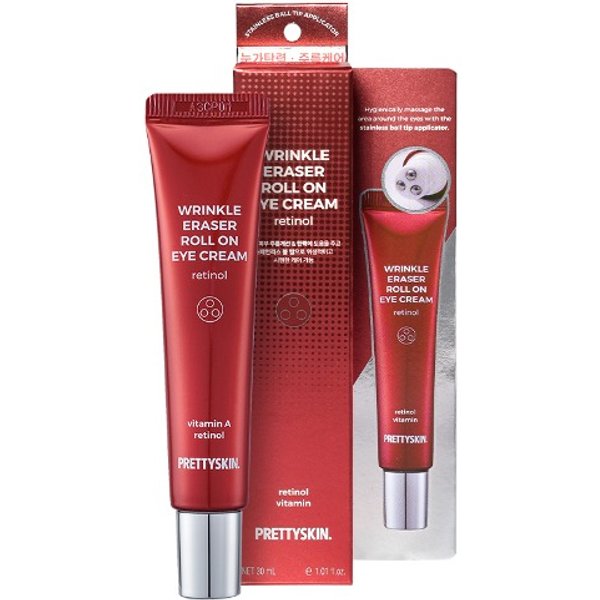 PRETTYSKINWrinkle Eraser Roll On Eye Cream - Retinol - 30ml$4.50
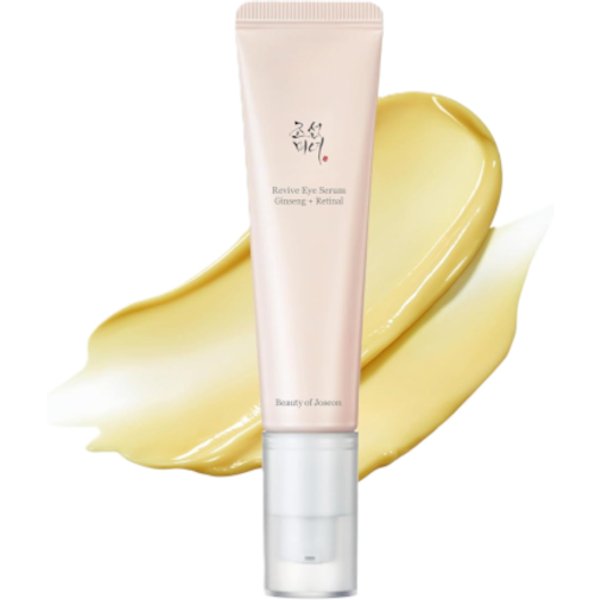 BEAUTY OF JOSEONRevive Eye Serum : Ginseng + Retinal - 30ml$13.60Also on YesStyle
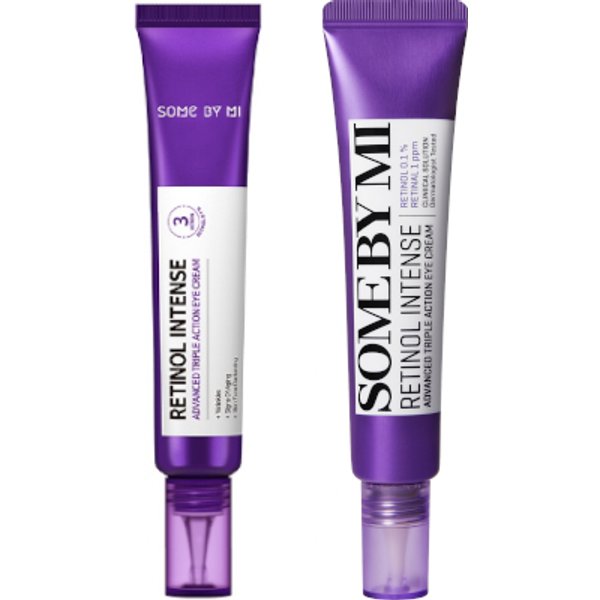 SOME BY MIRetinol Intense Advanced Triple Action Eye Cream - 30ml$15.80
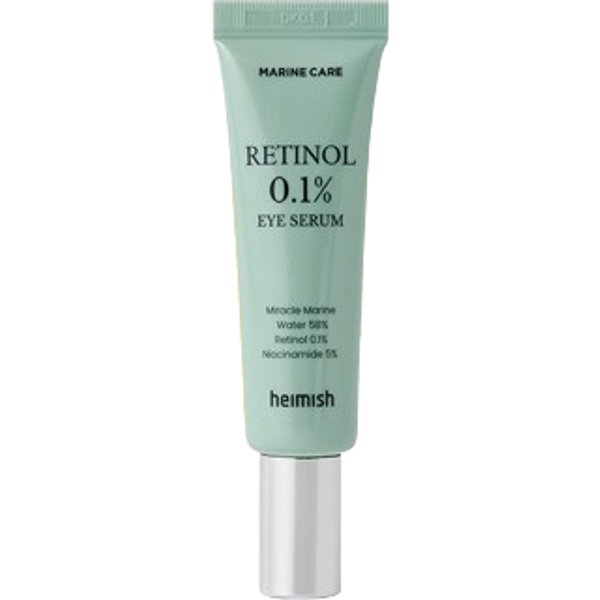 heimishMarine Care Retinol Eye Serum - 30ml$16.79
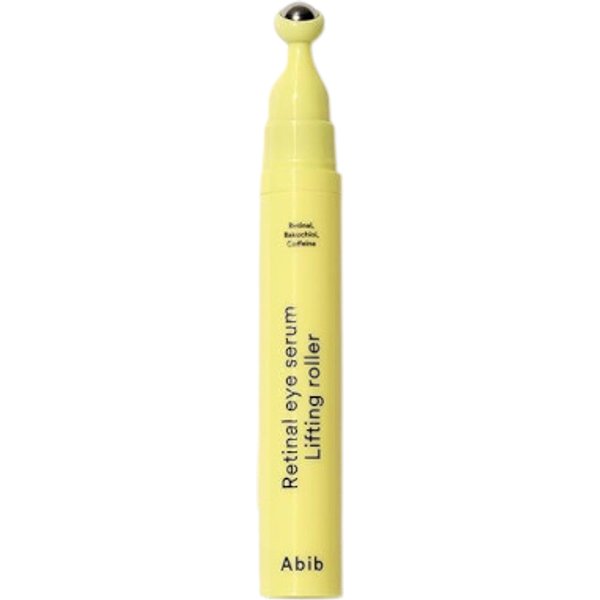 AbibRetinal Eye Serum Lifting Roller - 15ml$19.20Also on YesStyle
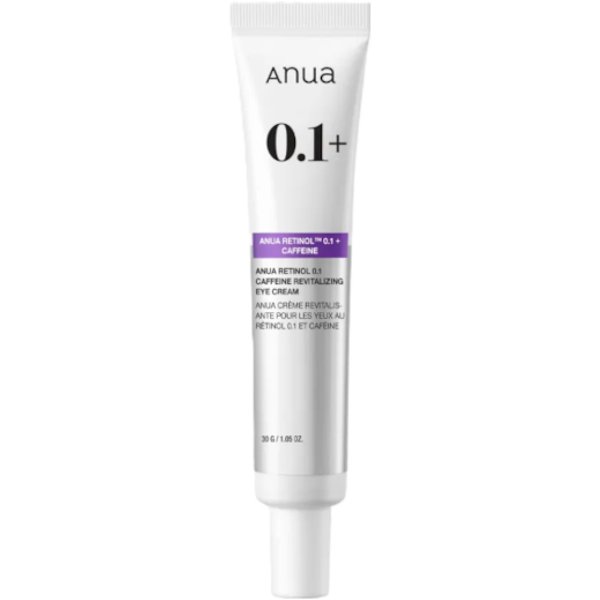 ANUARetinol 0.1 Caffeine Revitalizing Eye Cream - 30g$19.80Also on YesStyle
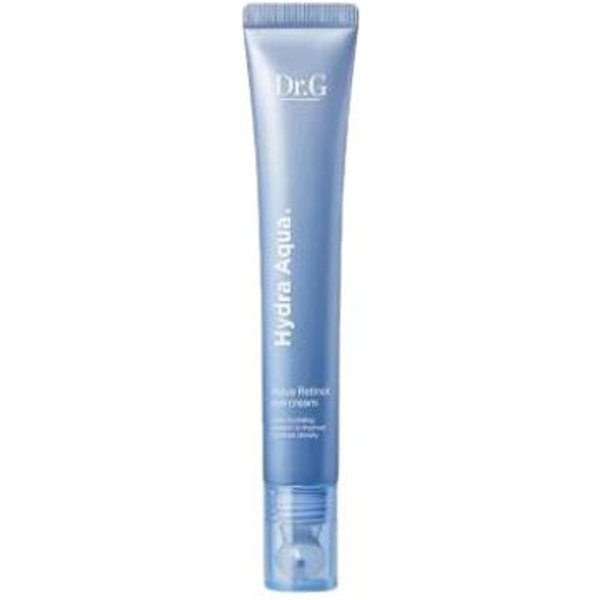 Dr.GHydra Aqua Retinol Eye Cream - 20ml$23.10
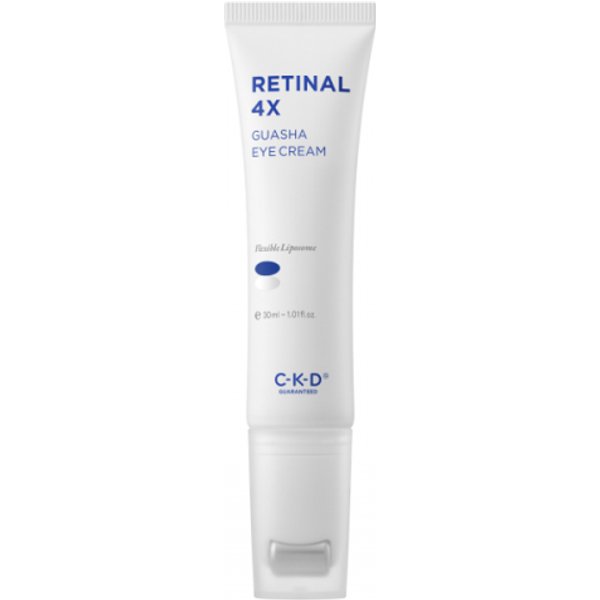 CKDRetinal 4X Guasha Eye Cream - 30ml$27.30
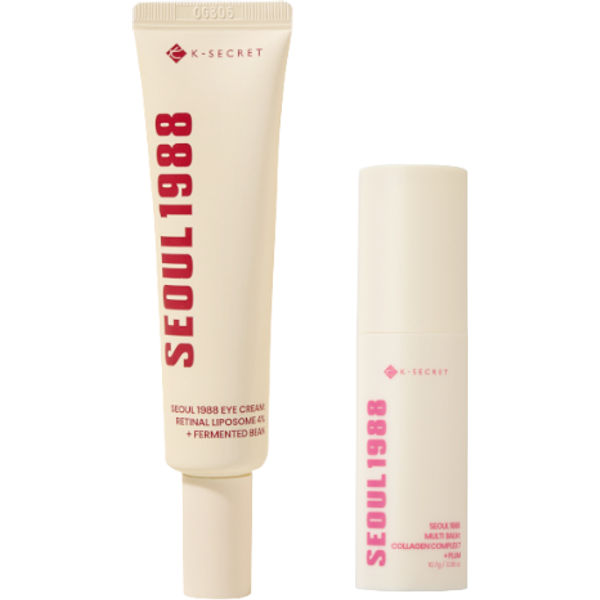 KSECRETSEOUL 1988 Eye Cream : Retinal Liposome 4% + Fermented Bean - 30ml (1ea) & SEOUL 1988 Multi Balm : Collagen Complex...$31.29
Already have one? Check how it fits your skin with Pick.
Common questions about Retinol (Eye Area)#
What is Retinol (Eye Area)?
- Retinol formulated for the skin around the eyes, where it works on the look of fine lines, crow's feet and under-eye darkness.
What else is Retinol (Eye Area) called?
- On a label you may see Retinoid and Vitamin A.
When should you apply Retinol (Eye Area)?
- Evening. Evening only, never a morning step.
How often can you use Retinol (Eye Area)?
- 2× a week to daily, around the eyes only.
Where do you apply Retinol (Eye Area)?
- Around the eyes only.
Can you use Retinol (Eye Area) around the eyes?
- Yes — Retinol (Eye Area) goes around the eyes only.
Does Retinol (Eye Area) make skin more sensitive to the sun?
- Yes — use sunscreen the next morning.
What should you not use with Retinol (Eye Area)?
- Space it apart from Azelaic acid, Cysteamine, Exfoliants, Kojic acid, Retinoids and Vitamin C.
Who should avoid Retinol (Eye Area)?
- Skip it if any of these apply: Maternity & Nursing, Fragile or Sensitive, Prone to Redness and Dry or Itchy Patches. Go slowly with Recent Facial or Laser and Recent Shave or Wax.
Is there a cosmetic limit for Retinol (Eye Area)?
- Only some regions set one. The maximum strength for Retinol (Eye Area) in a cosmetic is 1.0% (face); 0.2% (body leave-on) in Canada and 0.3% (face / rinse-off); 0.05% (body lotion) in the European Union. No maximum is set in the United States and Great Britain. A cap is a limit on the rules, not a signal to use more.
Related ingredients#
How we check this#
Everything on this page traces to the sources listed below — regulators' own publications and published studies. Where the evidence does not answer a question, it is left unanswered.
Some sources below are the official product information for prescription medicines, cited for how they interact with this ingredient. We use them for their safety and handling detail only. A cosmetic product is not one of those medicines and is not intended to treat any condition.
Our review is AI-assisted and is not a named expert's opinion. Last reviewed August 7, 2026.
Think something here is out of date or wrong? Email us at wiki@skinintelligence.ai with your reasoning and where you read it. We read what people send, and we update the page when the sources support it.
Regulators and official bodies · 12
- S1Regulation (EU) 2024/996 of 3 April 2024 amending Regulation (EC) No 1223/2009 as regards the use of Vitamin A, Alpha-Arbutin and Arbutin and certain substances with potential endocrine disrupting properties in cosmetic products — Annex III entry 376.
- S2Health Canada. Cosmetic Ingredient Hotlist — Prohibited and Restricted Ingredients, "Retinol and its esters".
- S3Aknemycin Plus 4.0% w/w and 0.025% w/w cutaneous solution (erythromycin / tretinoin) — Summary of Product Characteristics, emc.
- S4Aklief 50 microgram/g cream (trifarotene) — Summary of Product Characteristics, emc.
- S5Epiduo 0.1%/2.5% Gel (adapalene / benzoyl peroxide) — Summary of Product Characteristics, emc.
- S6RENOVA (tretinoin) cream 0.02% — US prescribing information, DailyMed setid 9f0a0e8d-1051-48a4-80c5-1bd260dd9c36.
- S7ALTRENO (tretinoin) lotion 0.05% — US prescribing information, DailyMed setid 1412aba5-71aa-4cce-8db4-c189bed1852c.
- S8TAZORAC (tazarotene) cream — US prescribing information, DailyMed setid 021744d1-a6d7-4ad6-99c2-7187c24e64c6.
- S9AKLIEF (trifarotene) cream — US prescribing information, DailyMed setid 62d910db-85a6-4696-b69b-4bd2f3080cfc.
- S10RETIN-A (tretinoin) cream and gel — US prescribing information, DailyMed setid 9556d73d-c573-4e0a-9feb-764ce2d1107b.
- S11Roaccutane 10 mg soft capsules (isotretinoin) — Summary of Product Characteristics, emc.
- S12legislation.gov.uk — UK Statutory Instrument register, full-text search for "Retinol" and the schedules of SI 2023/836, 2024/455, 2024/1334, 2025/413, 2025/901, 2026/23, 2026/109 (verified negative: no UK cosmetics restriction on retinol).
Studies and references · 30
- S13Tagami H. Location-related differences in structure and function of the stratum corneum with special emphasis on those of the facial skin. Int J Cosmet Sci. 2008;30(6):413-34. PMID 19099543.
- S14Kaufman J, et al. Efficacy and Tolerability of a Retinoid Eye Cream for Fine to Moderate Wrinkles of the Periorbital Region. J Drugs Dermatol. 2022;21(9):932-937. PMID 36074511.
- S15Hamie H. A review of the efficacy of popular eye cream ingredients. Int J Womens Dermatol. 2024;10(2):e156. PMID 38873621 / PMC11175953.
- S16Ng A, Evans K, North RV, Jones L, Purslow C. Impact of Eye Cosmetics on the Eye, Adnexa, and Ocular Surface. Eye Contact Lens. 2016;42(4):211-20. PMID 26398576.
- S17Samarawickrama C, Chew S, Watson S. Retinoic acid and the ocular surface. Surv Ophthalmol. 2015;60(3):183-95. PMID 25890622.
- S18Aslan Bayhan S, Bayhan HA, Çölgeçen E, Gürdal C. Effects of topical acne treatment on the ocular surface in patients with acne vulgaris. Cont Lens Anterior Eye. 2016;39(6):431-434. PMID 27422575.
- S19Ruiz-Lozano RE, Hernández-Camarena JC, Garza-Garza LA, Bustamante-Arias A, Colorado-Zavala MF, Cardenas-de la Garza JA. Isotretinoin and the eye: A review for the dermatologist. Dermatol Ther. 2020;33(6):e14029. PMID 32683764.
- S20Momosawa A, Kurita M, Ozaki M, Miyamoto S, Kobayashi Y, Ban I, Harii K. Combined therapy using Q-switched ruby laser and bleaching treatment with tretinoin and hydroquinone for periorbital skin hyperpigmentation in Asians. Plast Reconstr Surg. 2008;121(1):282-288. PMID 18176232.
- S21Elias PM, Fritsch PO, Lampe M, Williams ML, Brown BE, Nemanic M, Grayson S. Retinoid effects on epidermal structure, differentiation, and permeability. Lab Invest. 1981;44(6):531-40. PMID 6939940.
- S22Piérard-Franchimont C, Goffin V, Piérard GE. Modulation of human stratum corneum properties by salicylic acid and all-trans-retinoic acid. Skin Pharmacol Appl Skin Physiol. 1998;11(4-5):266-72. PMID 9885411.
- S23Johnson W Jr. Retinol and Retinyl Palmitate. Int J Toxicol. 2017;36(5_suppl2):53S-58S. PMID 29025343 (Cosmetic Ingredient Review).
- S24Rousselle C. Opinion of the Scientific Committee on Consumer Safety (SCCS) — Final version of the Opinion on Vitamin A (retinol, retinyl acetate and retinyl palmitate) in cosmetic products. Regul Toxicol Pharmacol. 2017;84:102-104. PMID 27856323.
- S25Nohynek GJ. Repeated topical treatment, in contrast to single oral doses, with Vitamin A-containing preparations does not affect plasma concentrations of retinol, retinyl esters or retinoic acids in female subjects of child-bearing age. Toxicol Lett. 2006;163(1):65-76. PMID 16243460.
- S26Refsum E, Furu K, Cesta CE, Nørgaard M, Wittström F, Zoega H, Ulrichsen SP, Cohen JM. Topical retinoid use in women of reproductive age and risk of major congenital malformations in exposed pregnancies: a Nordic cohort study. Br J Dermatol. 2026;194(4):640-647. PMID 41365815.
- S27Shapiro L, Pastuszak A, Curto G, Koren G. Safety of first-trimester exposure to topical tretinoin: prospective cohort study. Lancet. 1997;350(9085):1143-4. PMID 9343507.
- S28Leyden J, Grove G, Zerweck C. Facial tolerability of topical retinoid therapy. J Drugs Dermatol. 2004;3(6):641-51. PMID 15624747.
- S29Chisholm SAM, Couch SM, Custer PL. Etiology and Management of Allergic Eyelid Dermatitis. Ophthalmic Plast Reconstr Surg. 2017;33(4):248-250. PMID 27333449.
- S30Murray J, Potts A. The phototoxic and photoallergy potential of clindamycin phosphate 1.2%/tretinoin 0.025% gel for facial acne: results of two single-center, evaluator-blinded, randomized, vehicle-controlled phase 1 studies in healthy volunteers. J Drugs Dermatol. 2014;13(1):16-22. PMID 24385115.
- S31Orringer JS, Kang S, Johnson TM, Karimipour DJ, Hamilton T, Hammerberg C, Voorhees JJ, Fisher GJ. Tretinoin treatment before carbon-dioxide laser resurfacing: a clinical and biochemical analysis. J Am Acad Dermatol. 2004;51(6):940-6. PMID 15583586.
- S32Beer J, Boghosian T, Sherif R, Montes J, Tosti A, Rohrich R, Beer K. What's New With Under Eye Treatment: A Multispecialty Systematic Review of Recent Under Eye Treatments. Dermatol Surg. 2026;52(2):155-163. PMID 41615388.
- S33Draelos ZD, Peterson RS. A Double-Blind, Comparative Clinical Study of Newly Formulated Retinol Serums vs Tretinoin Cream in Escalating Doses: A Method for Rapid Retinization With Minimized Irritation. J Drugs Dermatol. 2020;19(6):625-631. PMID 32574009.
- S34Nguyen C. Rosacea: Practical Guidance and Challenges for Clinical Management. Clin Cosmet Investig Dermatol. 2024;17:175-190. PMID 38283794 / PMC10821660.
- S35Wladis EJ, Adam AP. Treatment of ocular rosacea. Surv Ophthalmol. 2018;63(3):340-346. PMID 28782548.
- S36Kang S. Anti-Irritant Strategy against Retinol Based on the Genetic Analysis of Korean Population: A Genetically Guided Top–Down Approach. Pharmaceutics. 2021;13(12):2006. PMID 34959288 / PMC8706521.
- S37Dailey RA, Gray JF, Rubin MG, Hildebrand PL, Swanson NA, Wobig JL, Wilson DJ, Speelman P. Histopathologic changes of the eyelid skin following trichloroacetic acid chemical peel. Ophthalmic Plast Reconstr Surg. 1998;14(1):9-12. PMID 9513236.
- S38Ying Y. Evaluating the Efficacy of Soothing Agents in Mitigating 0.1% Retinol-Induced Skin Irritation: A Patch Test. J Cosmet Dermatol. 2025;24(10):e70488. PMID 41044804.
- S39Fang Y. Mitigation of retinol-induced skin irritation by physiologic lipids: Evidence from patch testing. J Cosmet Dermatol. 2024;23(8):2743-2749. PMID 38628085.
- S40Sawant O. Management of periorbital hyperpigmentation: An overview of nature-based agents and alternative approaches. Dermatol Ther. 2020;33(4):e13717. PMID 32472659.
- S41Zonari A. Clinical efficacy of OS-01 peptide formulation in reducing the signs of periorbital skin aging. Int J Cosmet Sci. 2025;47(3):455-465. PMID 39788697.
- S42American Academy of Dermatology. Retinoid or retinol? (public patient page). — Tier 3, per § Tier definitions: "a body's patient leaflet is not its guidance.".