What does Retinaldehyde do?#
Retinaldehyde (listed on labels as retinal) is a vitamin A active used in evening skincare to soften the look of fine lines and refine uneven texture. With consistent use it helps skin look smoother and more even over time.
Benefits
- Helps soften the look of fine lines and wrinkles
- Supports a smoother, more refined-looking texture
- Helps blemish-prone skin look clearer over time
- Promotes a more even-looking skin tone
How it works
Retinaldehyde is a form of vitamin A that skin converts to its active form in a single step. Used in the evening, it helps skin look smoother and more even over time, and helps blemish-prone skin look clearer. Results are gradual and build with continued use.
What to expect
When you first start a retinoid, skin often goes through a short adjustment period in the first few weeks — usually dryness and fine flaking, and sometimes a warm or tingling feeling as you apply it. This settles as skin gets used to it. If it becomes uncomfortable, use it less often until skin settles, then build back up. If irritation is significant, stop and consult your healthcare provider.
How to use Retinaldehyde#
Best time
Evening. Retinaldehyde is unstable in light, so it is used at night.
How often
Start with three nights a week and build up as skin settles. Nightly use comes later, not at the start.
If you have a darker skin tone, a gentler start is sensible, since strong actives can leave temporary uneven tone.
Where it goes
After cleansing, on skin that is completely dry, before or under your moisturizer. Several protocols wait 20 to 30 minutes after washing before applying.
Where to apply
All over the face, but not the eyelids or the eye area, and away from the lips and the corners of the nose and mouth.
Sun
Wear a broad-spectrum SPF 30+ during the day. Retinoids can make skin more sensitive to sunlight, and daily sunscreen is the standard instruction for the whole retinoid family — follow it for as long as you are using this ingredient.
Alongside others
One retinoid at a time. Use retinaldehyde, retinol and a retinol eye cream on different nights.
Exfoliating acids on a separate night. Some formulas combine retinaldehyde and glycolic acid in one bottle at a fixed ratio, which is not the same as layering your own acid on top.
What to expect
An adjustment period in roughly the first month: dryness and fine flaking more than redness, and sometimes a warm or tingling feeling on application. If it becomes uncomfortable, use it less often, and discontinue use if irritation persists.
What to look for
Labels print it as retinal, retinaldehyde, or encapsulated retinal. Retinal is not a spelling of retinol — it is a different molecule that reaches the skin's active form in one conversion step where retinol takes two.
If it doesn't suit
If it feels uncomfortable, use it less often and keep using a plain moisturizer daily. If irritation persists, or skin becomes very red, swollen or blistered, stop, and see a healthcare professional if it does not settle.
Retinoids can make skin more sensitive to sunlight. Discontinue use if persistent irritation occurs.
The form you will see it in
Retinaldehyde serum
- Where it goes
- Before moisturizer
Using Retinaldehyde with other ingredients
Pairs well with Retinaldehyde
Hyaluronic acid
Works well togetherHyaluronic acid adds hydration alongside your retinoid step.
Niacinamide
Works well togetherNiacinamide can be used in the same evening routine as retinaldehyde.
Bakuchiol
Works well togetherBakuchiol can be used in the same evening routine as retinaldehyde.
Vitamin E
Works well togetherPairs with retinaldehyde in tested formulas and helps skin feel comfortable.
What not to use with Retinaldehyde
Exfoliants
Different timesRetinoids and exfoliants can both feel drying, so they’re best kept to separate evenings.
Glycolic Acid (AHA) · Lactic Acid (AHA) · LHA · Mandelic Acid (AHA) · PHA (Polyhydroxy Acid) · Salicylic Acid (BHA)
Eye-area retinol
Different timesKeep your retinoid eye cream to a different night from retinaldehyde.
Who should avoid Retinaldehyde?#
Six situations change whether Retinaldehyde suits your skin right now. Each one is either a reason to skip it, a reason to go slowly, or nothing to watch for.
- Maternity & Nursing
- Skip it
- Fragile or Sensitive
- Skip it
- Dry or Itchy Patches
- Skip it
- Recent Shave or Wax
- Skip it
- Recent Facial or Laser
- Go slowly
- Prone to Redness
- Go slowly
Recent Facial or Laser — Wait until your skin feels settled, and follow the aftercare your practitioner gave you, before reintroducing it.
Prone to Redness — Try it on a small area first, and use it less often — or stop — if you notice stinging or extra redness.
Cosmetic strength limits for Retinaldehyde where you live#
| Region | Most a cosmetic may contain | |
|---|---|---|
 United States United States | No explicit cap | |
The FDA restricts a short list of ingredients and sets no general strength ceiling on the rest. A figure marked "guidance, not law" is the Cosmetic Ingredient Review panel's recommendation. 21 CFR part 700, subpart B — Requirements for Specific Cosmetic Products (FDA) | ||
 Canada Canada | 0.05% (face); 0.01% (body leave-on) | |
One list does the work — Health Canada's Hotlist of prohibited and restricted cosmetic ingredients. | ||
 European Union European Union | No explicit cap | |
The Cosmetics Regulation's annexes, consolidated to 1 May 2026. A figure marked "guidance, not law" comes from the EU's cosmetic safety committee rather than from the annexes. | ||
 Great Britain Great Britain | No explicit cap | |
Great Britain kept the annexes as its own law and updates them only when it chooses; Northern Ireland follows the live EU Regulation, which is why some rows read differently for each. Regulation (EC) No 1223/2009 as it applies in Great Britain · Regulation (EC) No 1223/2009, Annexes II–VI | ||
 India India | No explicit cap | |
India writes its own standard, aligned to the European rules as they stood in 2012. Mandatory since 9 February 2026. IS 4707 (Part 2):2025 — restricted and prohibited cosmetic ingredients · IS 4707 (Part 3):2025 — preservatives · Cosmetics Rules, 2020, Ninth Schedule | ||
 Brazil Brazil | No explicit cap | |
ANVISA rewrote its restricted list in June 2026, and a companion act amended the prohibited list at the same time. RDC 1.029/2026 — restricted ingredients · RDC 529/2021 — prohibited ingredients, as amended by RDC 1.030/2026 · RDC 528/2021 — preservatives | ||
 Japan Japan | No explicit cap | |
Japan's cosmetics standard keeps drug ingredients out of cosmetics, so most of its figures sit in the ministry's list of the ones a cosmetic may still contain. Cosmetics Standards (化粧品基準), Ministry of Health, Labour and Welfare · Cosmetics Standards — the ministry's own English translation · Drug ingredients permitted in cosmetics — 2007 notification | ||
 South Korea South Korea | No explicit cap | |
One MFDS regulation carries both the prohibited list and the restricted list, in force 18 March 2026. Sunscreens and a few other categories are cleared product by product instead. Regulation on Safety Standards for Cosmetics (MFDS Notification 2026-19) · Regulation on the Review of Functional Cosmetics (MFDS Notification 2025-88) | ||
 Kenya Kenya | No explicit cap | |
Kenya's standard applies the EU annexes as they stand rather than copying them, so its ingredient limits are the EU's — including the 2024 additions. A figure marked "guidance, not law" sits outside the annexes and does not carry over. KS EAS 377-1, -2 and -3:2022 — cosmetics safety requirements, published by KEBS · Regulation (EC) No 1223/2009, Annexes II–VI | ||
 Namibia Namibia | No explicit cap | |
Namibia sets no ingredient limits at all. Its cosmetic rule is a single line requiring a product to be free of any harmful ingredient. Foodstuffs, Cosmetics and Disinfectants Ordinance 18 of 1979, and the regulations under it | ||
 Ukraine Ukraine | No explicit cap | |
Ukraine's own transposition of the EU annexes, as they stood before the 2024 additions, fully in force since 3 August 2026. A further revision is due on 1 February 2027. Technical Regulation on cosmetic products — Cabinet Resolution No. 65 of 20 January 2021 | ||
 Georgia Georgia | No explicit cap | |
Georgia has no cosmetics rulebook — its register of technical regulations carries no cosmetics entry — so only the general product-safety duty applies. | ||
 Australia Australia | 1% (as Vitamin A, topical) | |
Australia writes no cosmetic ingredient list. A figure here is the point at which a substance becomes a medicine or a scheduled substance carrying Caution labeling, so its numbers sit well above other markets'. Poisons Standard — June 2026 · Therapeutic Goods (Excluded Goods) Determination 2018 | ||
 United Arab Emirates United Arab Emirates | No explicit cap | |
The Gulf standard points at the EU annexes as amended, so its ingredient limits are the EU's. A figure marked "guidance, not law" sits outside the annexes and does not carry over. GSO 1943:2024 — Cosmetic products: safety requirements (Gulf technical regulation) · Regulation (EC) No 1223/2009, Annexes II–VI | ||
 Kuwait Kuwait | No explicit cap | |
The Gulf standard points at the EU annexes as amended, so its ingredient limits are the EU's. A figure marked "guidance, not law" sits outside the annexes and does not carry over. GSO 1943:2024 — Cosmetic products: safety requirements (Gulf technical regulation) · Regulation (EC) No 1223/2009, Annexes II–VI | ||
 Hong Kong Hong Kong | No explicit cap | |
Hong Kong writes no cosmetics rulebook. Its Poisons List (Cap. 138A, Schedule 10) decides which substances may be sold only as medicines, and general safety is judged case by case against whichever overseas standard the enforcer considers reasonable. Pharmacy and Poisons Regulations (Cap. 138A), Schedule 10 — the poisons list · Pharmacy and Poisons Board — Guidance Notes on classifying pharmaceutical products, April 2026 | ||
 Singapore Singapore | No explicit cap | |
Singapore writes the ASEAN annexes into its own schedule, and its regulator tells companies to check the current ASEAN release as well — which is why a figure here can read "guidance, not law". Health Products (Cosmetic Products — ASEAN Cosmetic Directive) Regulations 2007, Third Schedule · ASEAN Cosmetic Directive annexes — release 2026-1, 22 June 2026 | ||
 Brunei Brunei | No explicit cap | |
Brunei carries the 2007 ASEAN annexes in its own schedule and has not updated them since, so it reads differently from Singapore on several ingredients. Medicines (Cosmetic Products) Regulations (Cap. 285 Rg 1), Schedule 1 — revised edition 2024 | ||
 Jordan Jordan | No explicit cap | |
Jordan's cosmetic rules defer to "the approved references" and name none of them, so there is no Jordanian figure to read. The only number in the instrument governs the ingredient list on the pack. JFDA instructions on cosmetics and pharmaceutical cosmetics, 2026 | ||
 Trinidad & Tobago Trinidad & Tobago | No explicit cap | |
Trinidad and Tobago has had the power to set cosmetic standards since 1960 and has never used it. The regulations made under the Act cover food and drugs, with no cosmetics part; what binds is the Act's general rule against selling a cosmetic that may injure the user. Food and Drugs Act, Chap. 30:01 · Food and Drugs Regulations | ||
Where a figure appears, that is the maximum strength allowed or advised for retinaldehyde in that market — some are set in cosmetics regulation, others are the ceiling a cosmetic safety panel recommends. Where no figure appears, the market either sets no cosmetic maximum or handles this ingredient outside its cosmetic rules. These are limits, not targets — the right strength for a formula is the formulator's decision.
Open a market to see the rulebook its figure comes from. Those notes describe each market's own rules as we read them, current to August 24, 2026; the linked documents are the authority, and nothing here is legal advice.
Sample products with Retinaldehyde#
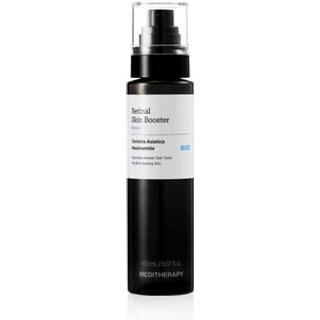
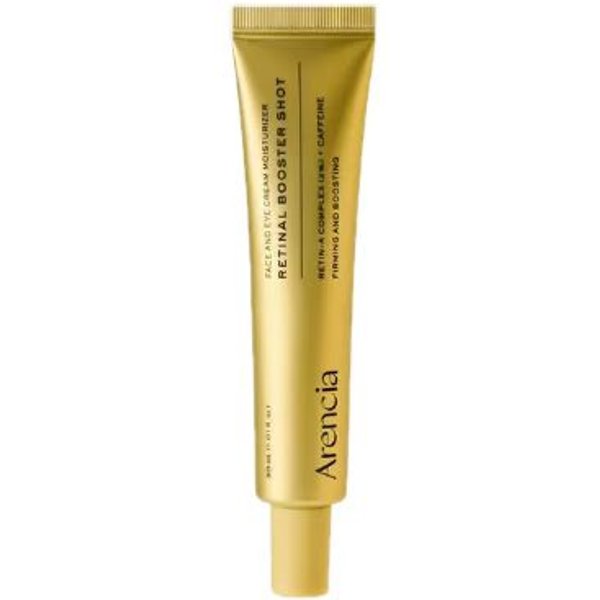
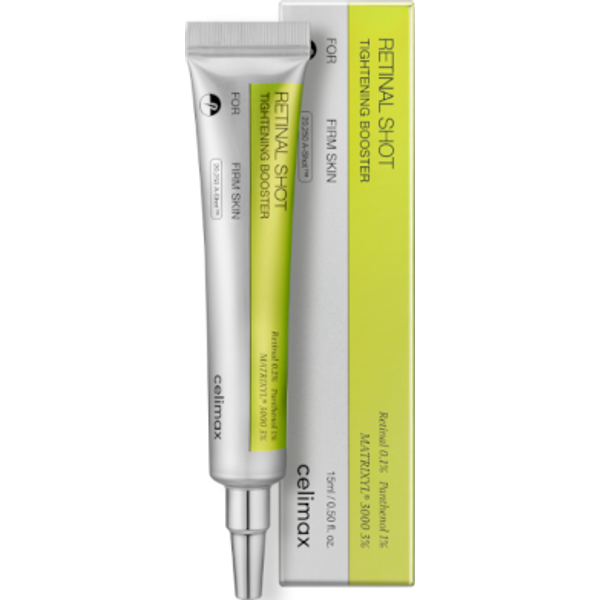
A few well-known products, not a full list — product names are each brand's own. We don't sell them — the shop prices them in US dollars and ships from Hong Kong, so delivery and duties come on top. It may not ship everywhere.
We may earn a small commission when you buy through these links.
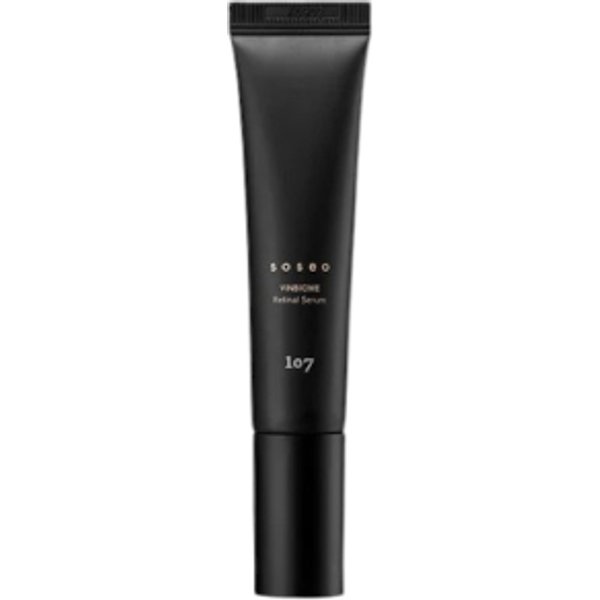
Already have one? Check how it fits your skin with Pick.
Common questions about Retinaldehyde#
What is Retinaldehyde?
- A form of vitamin A, printed on labels as retinal, used in evening skincare for the look of fine lines and uneven texture. Skin converts it in a single step, and it should be introduced gradually.
What else is Retinaldehyde called?
- On a label you may see Retinal, Encapsulated Retinal, Retinoid and Vitamin A.
When should you apply Retinaldehyde?
- Evening. Evening. Retinaldehyde is unstable in light, so it is used at night.
How often can you use Retinaldehyde?
- 3× a week to daily, all over the face, not the eye area.
Where do you apply Retinaldehyde?
- All over the face, not the eye area. Keep it off your lips too.
Can you use Retinaldehyde around the eyes?
- No. Retinaldehyde goes all over the face, not the eye area.
Does Retinaldehyde make skin more sensitive to the sun?
- Yes — use sunscreen the next morning.
What should you not use with Retinaldehyde?
- Space it apart from Exfoliants and Eye-area retinol.
Who should avoid Retinaldehyde?
- Skip it if any of these apply: Maternity & Nursing, Fragile or Sensitive, Dry or Itchy Patches and Recent Shave or Wax. Go slowly with Recent Facial or Laser and Prone to Redness.
Is there a cosmetic limit for Retinaldehyde?
- Only some regions set one. The maximum strength for Retinaldehyde in a cosmetic is 0.05% (face); 0.01% (body leave-on) in Canada. No maximum is set in the United States, the European Union and Great Britain. A cap is a limit on the rules, not a signal to use more.
Related ingredients#
How we check this#
Everything on this page traces to the sources listed below — regulators' own publications and published studies. Where the evidence does not answer a question, it is left unanswered.
Some sources below are medical studies. This ingredient has been studied in conditions a doctor treats, and the record cited here includes findings that did not favor it. We use those studies for their safety and handling detail only. A cosmetic product is not a medicine and is not intended to treat, cure or prevent any condition.
Some sources below are the official product information for prescription medicines, cited for how they interact with this ingredient. We use them for their safety and handling detail only. A cosmetic product is not one of those medicines and is not intended to treat any condition.
Our review is AI-assisted and is not a named expert's opinion. Last reviewed September 3, 2026.
Think something here is out of date or wrong? Email us at wiki@skinintelligence.ai with your reasoning and where you read it. We read what people send, and we update the page when the sources support it.
Regulators and official bodies · 14
- S38Health Canada. Cosmetic Ingredient Hotlist — List of Ingredients that are Restricted for Use in Cosmetic Products, entry "Retinal / 116-31-4 / Retinaldehyde": (a) leave-on products intended for full body application 0.01%; (b) other cosmetics 0.05%.
- S39Regulation (EC) No 1223/2009 on cosmetic products, consolidated text 32009R1223 — EN — 18.05.2026, Annex III entry 376 (Retinol / Retinyl Acetate / Retinyl Palmitate). EUR-Lex. Retinal/retinaldehyde is not named in Annex II or Annex III.
- S40Retained Regulation (EC) No 1223/2009, Annex III (and Annex III "as adopted"), legislation.gov.uk; plus a legislation.gov.uk UKSI full-text search for "cosmetic vitamin a retinol" returning no results. No retinoid entry present.
- S4121 CFR Chapter I, Subchapter G, Part 700 and Part 700 Subpart B (eCFR). No retinoid entry.
- S42Differin Cream SmPC (adapalene 0.1%), emc product 920, §§4.3–4.6.
- S43Treclin 1%/0.025% w/w Gel SmPC (clindamycin/tretinoin), emc product 5371, §§4.4–4.6.
- S44Aklief 50 microgram/g cream SmPC (trifarotene), emc product 13881, §§4.3–4.5.
- S45Roaccutane 10 mg soft capsules SmPC (isotretinoin), emc product 100633, §§4.4–4.5.
- S46Tetralysal 300 mg Hard Capsules SmPC (lymecycline), emc product 926, §§4.3–4.5.
- S47Efracea 40 mg Modified Release Hard Capsules SmPC (doxycycline), emc product 6652, §§4.3–4.5.
- S57MotherToBaby. Tretinoin (Retin-A) fact sheet — pregnancy and breastfeeding. (A fact sheet, not a mandate document; recorded as such.).
- S59SCCS. Revision of the scientific opinion SCCS/1576/16 on Vitamin A (retinol, retinyl acetate, retinyl palmitate). Checked: does not mention retinaldehyde..
- S60CIR Expert Panel. Safety assessment of retinol and retinyl palmitate as used in cosmetics. Checked: does not mention retinaldehyde..
- S61Aknemycin Plus SmPC (erythromycin/tretinoin, topical), emc product 6386, §§4.3–4.5, 4.8, 5.1.
Studies and references · 47
- S1Saurat JH, Didierjean L, Masgrau E, Piletta PA, Jaconi S, Chatellard-Gruaz D, Gumowski D, Masouyé I, Salomon D, Siegenthaler G. Topical retinaldehyde on human skin: biologic effects and tolerance. J Invest Dermatol 1994;103(6):770-4. PMID 7798613.
- S2Fluhr JW et al. Tolerance profile of retinol, retinaldehyde and retinoic acid under maximized and long-term clinical conditions. Dermatology 1999;199 Suppl 1:57-60. PMID 10473963.
- S3Sachsenberg-Studer EM. Tolerance of topical retinaldehyde in humans. Dermatology 1999;199 Suppl 1:61-3. PMID 10473964.
- S4Didierjean L, Tran C, Sorg O, Saurat JH. Biological activities of topical retinaldehyde. Dermatology 1999;199 Suppl 1:19-24. PMID 10473955.
- S5Sorg O, Didierjean L, Saurat JH. Metabolism of topical retinaldehyde. Dermatology 1999;199 Suppl 1:13-7. PMID 10473954.
- S6Sass JO, Masgrau E, Piletta PA, Nau H, Saurat JH. Plasma retinoids after topical use of retinaldehyde on human skin. Skin Pharmacol 1996;9(5):322-6. PMID 8990507.
- S7Creidi P, Vienne MP, Ochonisky S, Lauze C, Turlier V, Lagarde JM, Dupuy P. Profilometric evaluation of photodamage after topical retinaldehyde and retinoic acid treatment. J Am Acad Dermatol 1998;39(6):960-5. PMID 9843009.
- S8Diridollou S, Vienne MP, Alibert M, Aquilina C, Briant A, Dahan S, Denis P, Launais B, Turlier V, Dupuy P. Efficacy of topical 0.05% retinaldehyde in skin aging by ultrasound and rheological techniques. Dermatology 1999;199 Suppl 1:37-41. PMID 10473959.
- S9Kwon HS, Lee JH, Kim GM, Bae JM. Efficacy and safety of retinaldehyde 0.1% and 0.05% creams used to treat photoaged skin: a randomized double-blind controlled trial. J Cosmet Dermatol 2018;17(3):471-6. PMID 29663701.
- S10Comparative Evaluation of Topical Stabilized Retinaldehyde 0.1% vs. 0.05% on Skin Biophysical and Biomechanical Parameters. Skin Res Technol 2026. PMID 41729119; PMC12928007. (authors not in capture).
- S11Kim J, Kim J, Jongudomsombat T, Kim Bs E, Suk J, Lee D, Lee JH. The efficacy and safety of multilamellar vesicle containing retinaldehyde: a double-blinded, randomized, split-face controlled study. J Cosmet Dermatol 2021;20(9):2874-9. PMID 33569865.
- S12Retinaldehyde/hyaluronic acid fragments: a synergistic association for the management of skin aging. J Cosmet Dermatol 2011 Jun. PMID 21649816. (first-author string ambiguous in the capture; cited without a name).
- S13Rouvrais C, Baspeyras M, Mengeaud V, Rossi AB. Antiaging efficacy of a retinaldehyde-based cream compared with glycolic acid peel sessions: a randomized controlled study. PMID 30027612.
- S14Konisky H, Bowe WP, Yang P, Kobets K. The clinical efficacy and tolerability of a novel retinaldehyde serum with firming peptides to improve skin texture and signs of photoaging. J Drugs Dermatol 2024;23(11):992-7. PMID 39496127.
- S15Brown A et al. Natural retinol analogs potentiate the effects of retinal on aged and photodamaged skin: results from in vitro to clinical studies. Dermatol Ther (Heidelb) 2023 Oct. PMID 37615835; PMC10539272.
- S16Enhancing Facial Rejuvenation Outcomes With a Novel Retinaldehyde-Based Cream: A Comparative Randomized Intra-Individual Study. J Cosmet Dermatol 2025. PMID 41312593; PMC12661472; NCT06942403. (authors not in capture).
- S17Fort-Lacoste L, Verscheure Y, Tisne-Versailles J, Navarro R. Comedolytic effect of topical retinaldehyde in the rhino mouse model. Dermatology 1999;199 Suppl 1:33-5. PMID 10473958.
- S18Pechère M, Germanier L, Siegenthaler G, Pechère JC, Saurat JH. The antibacterial activity of topical retinoids: the case of retinaldehyde. Dermatology 2002;205(2):153-8. PMID 12218231.
- S19Poli F, Ribet V, Lauze C, Adhoute H, Morinet P. Efficacy and safety of 0.1% retinaldehyde/6% glycolic acid (Diacneal) for mild to moderate acne vulgaris: a multicentre, double-blind, randomized, vehicle-controlled trial. Dermatology 2005;210 Suppl 1:14-21. PMID 15724103.
- S20Dréno B, Nocera T, Verrière F, Vienne MP, Ségard C, Vitse S, Carré C. Topical retinaldehyde with glycolic acid: study of tolerance and acceptability in association with anti-acne treatments in 1,709 patients. Dermatology 2005;210 Suppl 1:22-9. PMID 15724104.
- S21Dreno B, Castell A, Tsankov N, Lipozencic J, Serdaroglu S, Gutierrez V, Gadroy A, Merial-Kieny C, Mery S. Interest of the association retinaldehyde/glycolic acid in adult acne. J Eur Acad Dermatol Venereol 2009;23(5):529-32. PMID 19192015.
- S22Dreno B, Katsambas A, Pelfini C, Plantier D, Jancovici E, Ribet V, Nocera T, Morinet P, Khammari A. Combined 0.1% retinaldehyde/6% glycolic acid cream in prophylaxis and treatment of acne scarring. Dermatology 2007;214(3):260-7. PMID 17377389.
- S23Katsambas AD. RALGA (Diacneal), a retinaldehyde and glycolic acid association, and postinflammatory hyperpigmentation in acne — a review. Dermatology 2005;210 Suppl 1:39-45. PMID 15724107.
- S24Morel P, Vienne MP, Beylot C, Bonérandi JJ, Dréno B, Lehucher-Ceyrac D, Slimani S, Dupuy P. Clinical efficacy and safety of a topical combination of retinaldehyde 0.1% with erythromycin 4% in acne vulgaris. Clin Exp Dermatol 1999;24(5):354-7. PMID 10564319.
- S25Kim J, Kim J, Lee YI, Suk J, Lee D, Lee JH. A pilot study evaluating the efficacy and safety of retinaldehyde-loaded niosomes against mild-to-moderate acne. J Cosmet Dermatol 2021;20(11):3586-92. PMID 34587353.
- S26Treatment of Acne Vulgaris With a Topical Application of Retinaldehyde, Glycolic Acid, and Silybum marianum Fruit Extract: A Pilot Study. Cureus 2025. PMID 40895670; PMC12399291. (authors not in capture).
- S27Masini F, Ricci F, Fossati B, Frascione P, Capizzi R, De Waure C, Guerriero C. Combination therapy with retinaldehyde (0.1%), glycolic acid (6%) and efectiose (0.1%) in mild to moderate acne vulgaris during the period of sun exposure. Eur Rev Med Pharmacol Sci 2014;18(16):2283-6. PMID 25219827.
- S28Vienne MP, Ochando N, Borrel MT, Gall Y, Lauze C, Dupuy P. Retinaldehyde alleviates rosacea. Dermatology 1999;199 Suppl 1:53-6. PMID 10473962.
- S29Sorg O, Kasraee B, Salomon D, Saurat JH. The potential depigmenting activity of retinaldehyde. Dermatology 2013;227(3):231-7. PMID 24080511.
- S30Questel E, Durbise E, Bardy AL, Schmitt AM, Josse G. Follow-up of solar lentigo depigmentation with a retinaldehyde-based cream by clinical evaluation and calibrated colour imaging. Skin Res Technol 2015;21(2):241-6. PMID 25078981.
- S31Crocco EI, Veasey JV, Boin MF, Lellis RF, Alves RO. A novel cream formulation containing nicotinamide 4%, arbutin 3%, bisabolol 1%, and retinaldehyde 0.05% for treatment of epidermal melasma. Cutis 2015;96(5):337-42. PMID 26682557.
- S32Sorg O, Kasraee B, Salomon D, Saurat JH. The combination of a retinoid, a phenolic agent and an antioxidant improves tolerance while retaining an optimal depigmenting action in reconstructed epidermis. Dermatology 2013;227(2):150-6. PMID 24009015.
- S33Boisnic S, Branchet-Gumila MC, Nocera T. Comparative study of the anti-aging effect of retinaldehyde alone or associated with pretocopheryl in a surviving human skin model submitted to ultraviolet A and B irradiation. Int J Tissue React 2005;27(3):91-9. PMID 16372474.
- S34Nayak K, Katiyar SS, Kushwah V, Jain S. Coenzyme Q10 and retinaldehyde co-loaded nanostructured lipid carriers for efficacy evaluation in wrinkles. J Drug Target 2018;26(4):333-44. PMID 28895754.
- S35Mordon S, Lagarde JM, Vienne MP, Nocera T, Verriere F, Dahan S. Ultrasound imaging demonstration of the improvement of non-ablative laser remodeling by concomitant daily topical application of 0.05% retinaldehyde. J Cosmet Laser Ther 2004;6(1):5-9. PMID 15370406.
- S36Campanelli A, Naldi L. A retrospective study of the effect of long-term topical application of retinaldehyde (0.05%) on the development of actinic keratosis. Dermatology 2002;205(2):146-52. PMID 12218230.
- S37Spierings NMK. Evidence for the efficacy of over-the-counter vitamin A cosmetic products in the improvement of facial skin aging: a systematic review. J Clin Aesthet Dermatol 2021;14(9):33-40. PMID 34980969; PMC8675340.
- S48International Expert Consensus on Integrated Skincare Active Ingredients for Pretreatment and Posttreatment Use With Medical Aesthetic Procedures to Enhance Skin Benefits. J Cosmet Dermatol 2026. PMID 42087526; PMC13145317. (authors not in capture).
- S49Recommendations on Periprocedural Skincare for Energy-Based Dermatologic Procedures. Aesthet Surg J Open Forum 2025. PMID 40575009; PMC12198435. (authors not in capture).
- S50Geria AN, Lawson CN, Halder RM. Topical retinoids for pigmented skin. J Drugs Dermatol.
- S51Dermatology: how to manage facial hyperpigmentation in skin of colour. PMC9165630. (authors not in capture).
- S52Treatment of acne vulgaris during pregnancy and lactation: a narrative review. PMC9823189. (authors not in capture).
- S53National Eczema Association. "Retinol is an anti-aging favorite — but will it trigger your eczema?" (Chovatiya R, quoted).
- S54Skincare in rosacea from the cosmetologist's perspective: a narrative review. J Clin Med 2022. PMID 36614915; PMC9821000. (authors not in capture).
- S55Piérard-Franchimont C, Goffin V, Piérard GE. Modulation of human stratum corneum properties by salicylic acid and all-trans-retinoic acid. Skin Pharmacol Appl Skin Physiol 1998;11(4-5):266-72. PMID 9885411.
- S56Gianeti MD et al. Benefits of combinations of vitamin A, C and E derivatives in the stability of cosmetic formulations. Molecules 2012;17:2219. PMID 22357318.
- S58Role of antioxidants in melasma: a systematic review. PMC12139628. (authors not in capture).