What does Green Tea Extract do?#
An antioxidant-rich serum with green tea extract (EGCG) that provides antioxidant support for a calmer, more even-looking complexion that looks healthy despite everyday environmental stress.
Benefits
- Provides antioxidant support for a healthier, more radiant-looking complexion
- Supports a calmer, less red-looking complexion
- Helps skin look less shiny, for a more balanced-looking complexion
- Lightweight serum absorbs easily
How it works
Green tea extract is rich in EGCG, a powerful plant-based antioxidant. It provides antioxidant support for skin that looks healthy and radiant despite everyday environmental stress while supporting a calmer, more balanced-looking complexion. Its natural antioxidant properties help maintain a healthier, more vibrant skin appearance.
How to use Green Tea Extract#
Before you start
Patch test first if you react easily to plant extracts. Reactions are rare, but this is a botanical.
Best time
Nothing in the studies favors one time of day over the other.
How often
From the first day, and twice a day if you like — that is how it has been used in every study of it, and there is no need to build up.
Where to apply
Across the whole face rather than dabbed on individual marks — every study of it applied it to the whole area. Keep it away from your eyes, and rinse with water if any gets in.
What to expect
Expect nothing dramatic in the first weeks. Most people have no purge and no settling-in period with this one — it is a steady, gradual ingredient.
Storing it
Store it somewhere cool and dark. Light is hard on it, which is why the bottle is usually opaque.
Discontinue use if unexpected discomfort occurs.
Forms you will see it in
Green tea antioxidant serum
- Where it goes
- Before moisturizer, morning or evening
- How often
- Daily
- Strength
- Gentle
- Sun sensitivity
- None
Green tea cream
- Where it goes
- As your moisturizer, morning or evening
- How often
- Daily
- Strength
- Gentle
- Sun sensitivity
- None
Using Green Tea Extract with other ingredients
Pairs well with Green Tea Extract
Hyaluronic Acid
Works well togetherHA hydrates while green tea provides antioxidant support.
Niacinamide
Works well togetherBoth support a calmer, more balanced-looking complexion.
What not to use with Green Tea Extract
Nothing flagged. None of the ingredients this wiki covers needs to be kept apart from Green Tea Extract — check the label of anything not covered here.
Who should avoid Green Tea Extract?#
Six situations change whether Green Tea Extract suits your skin right now. Each one is either a reason to skip it, a reason to go slowly, or nothing to watch for.
- Maternity & Nursing
- No caution
- Fragile or Sensitive
- No caution
- Recent Facial or Laser
- No caution
- Prone to Redness
- No caution
- Dry or Itchy Patches
- No caution
- Recent Shave or Wax
- No caution
Cosmetic strength limits for Green Tea Extract where you live#
| Region | Most a cosmetic may contain | |
|---|---|---|
 United States United States | No explicit cap | |
The FDA restricts a short list of ingredients and sets no general strength ceiling on the rest. A figure marked "guidance, not law" is the Cosmetic Ingredient Review panel's recommendation. 21 CFR part 700, subpart B — Requirements for Specific Cosmetic Products (FDA) | ||
 Canada Canada | No explicit cap | |
One list does the work — Health Canada's Hotlist of prohibited and restricted cosmetic ingredients. | ||
 European Union European Union | No explicit cap | |
The Cosmetics Regulation's annexes, consolidated to 1 May 2026. A figure marked "guidance, not law" comes from the EU's cosmetic safety committee rather than from the annexes. | ||
 Great Britain Great Britain | No explicit cap | |
Great Britain kept the annexes as its own law and updates them only when it chooses; Northern Ireland follows the live EU Regulation, which is why some rows read differently for each. Regulation (EC) No 1223/2009 as it applies in Great Britain · Regulation (EC) No 1223/2009, Annexes II–VI | ||
 India India | No explicit cap | |
India writes its own standard, aligned to the European rules as they stood in 2012. Mandatory since 9 February 2026. IS 4707 (Part 2):2025 — restricted and prohibited cosmetic ingredients · IS 4707 (Part 3):2025 — preservatives · Cosmetics Rules, 2020, Ninth Schedule | ||
 Brazil Brazil | No explicit cap | |
ANVISA rewrote its restricted list in June 2026, and a companion act amended the prohibited list at the same time. RDC 1.029/2026 — restricted ingredients · RDC 529/2021 — prohibited ingredients, as amended by RDC 1.030/2026 · RDC 528/2021 — preservatives | ||
 Japan Japan | No explicit cap | |
Japan's cosmetics standard keeps drug ingredients out of cosmetics, so most of its figures sit in the ministry's list of the ones a cosmetic may still contain. Cosmetics Standards (化粧品基準), Ministry of Health, Labour and Welfare · Cosmetics Standards — the ministry's own English translation · Drug ingredients permitted in cosmetics — 2007 notification | ||
 South Korea South Korea | No explicit cap | |
One MFDS regulation carries both the prohibited list and the restricted list, in force 18 March 2026. Sunscreens and a few other categories are cleared product by product instead. Regulation on Safety Standards for Cosmetics (MFDS Notification 2026-19) · Regulation on the Review of Functional Cosmetics (MFDS Notification 2025-88) | ||
 Kenya Kenya | No explicit cap | |
Kenya's standard applies the EU annexes as they stand rather than copying them, so its ingredient limits are the EU's — including the 2024 additions. A figure marked "guidance, not law" sits outside the annexes and does not carry over. KS EAS 377-1, -2 and -3:2022 — cosmetics safety requirements, published by KEBS · Regulation (EC) No 1223/2009, Annexes II–VI | ||
 Namibia Namibia | No explicit cap | |
Namibia sets no ingredient limits at all. Its cosmetic rule is a single line requiring a product to be free of any harmful ingredient. Foodstuffs, Cosmetics and Disinfectants Ordinance 18 of 1979, and the regulations under it | ||
 Ukraine Ukraine | No explicit cap | |
Ukraine's own transposition of the EU annexes, as they stood before the 2024 additions, fully in force since 3 August 2026. A further revision is due on 1 February 2027. Technical Regulation on cosmetic products — Cabinet Resolution No. 65 of 20 January 2021 | ||
 Georgia Georgia | No explicit cap | |
Georgia has no cosmetics rulebook — its register of technical regulations carries no cosmetics entry — so only the general product-safety duty applies. | ||
 Australia Australia | No explicit cap | |
Australia writes no cosmetic ingredient list. A figure here is the point at which a substance becomes a medicine or a scheduled substance carrying Caution labeling, so its numbers sit well above other markets'. Poisons Standard — June 2026 · Therapeutic Goods (Excluded Goods) Determination 2018 | ||
 United Arab Emirates United Arab Emirates | No explicit cap | |
The Gulf standard points at the EU annexes as amended, so its ingredient limits are the EU's. A figure marked "guidance, not law" sits outside the annexes and does not carry over. GSO 1943:2024 — Cosmetic products: safety requirements (Gulf technical regulation) · Regulation (EC) No 1223/2009, Annexes II–VI | ||
 Kuwait Kuwait | No explicit cap | |
The Gulf standard points at the EU annexes as amended, so its ingredient limits are the EU's. A figure marked "guidance, not law" sits outside the annexes and does not carry over. GSO 1943:2024 — Cosmetic products: safety requirements (Gulf technical regulation) · Regulation (EC) No 1223/2009, Annexes II–VI | ||
 Hong Kong Hong Kong | No explicit cap | |
Hong Kong writes no cosmetics rulebook. Its Poisons List (Cap. 138A, Schedule 10) decides which substances may be sold only as medicines, and general safety is judged case by case against whichever overseas standard the enforcer considers reasonable. Pharmacy and Poisons Regulations (Cap. 138A), Schedule 10 — the poisons list · Pharmacy and Poisons Board — Guidance Notes on classifying pharmaceutical products, April 2026 | ||
 Singapore Singapore | No explicit cap | |
Singapore writes the ASEAN annexes into its own schedule, and its regulator tells companies to check the current ASEAN release as well — which is why a figure here can read "guidance, not law". Health Products (Cosmetic Products — ASEAN Cosmetic Directive) Regulations 2007, Third Schedule · ASEAN Cosmetic Directive annexes — release 2026-1, 22 June 2026 | ||
 Brunei Brunei | No explicit cap | |
Brunei carries the 2007 ASEAN annexes in its own schedule and has not updated them since, so it reads differently from Singapore on several ingredients. Medicines (Cosmetic Products) Regulations (Cap. 285 Rg 1), Schedule 1 — revised edition 2024 | ||
 Jordan Jordan | No explicit cap | |
Jordan's cosmetic rules defer to "the approved references" and name none of them, so there is no Jordanian figure to read. The only number in the instrument governs the ingredient list on the pack. JFDA instructions on cosmetics and pharmaceutical cosmetics, 2026 | ||
 Trinidad & Tobago Trinidad & Tobago | No explicit cap | |
Trinidad and Tobago has had the power to set cosmetic standards since 1960 and has never used it. The regulations made under the Act cover food and drugs, with no cosmetics part; what binds is the Act's general rule against selling a cosmetic that may injure the user. Food and Drugs Act, Chap. 30:01 · Food and Drugs Regulations | ||
No cosmetic regulator in the 20 markets above sets a maximum strength for green tea extract. That is the state of the rules, not a signal to use more: how much goes into a product is the formulator's decision.
Open a market to see the rulebook its figure comes from. Those notes describe each market's own rules as we read them, current to August 24, 2026; the linked documents are the authority, and nothing here is legal advice.
Sample products with Green Tea Extract#
A few well-known products, not a full list — product names are each brand's own. We don't sell them — the shop prices them in US dollars and ships from Hong Kong, so delivery and duties come on top. It may not ship everywhere.
We may earn a small commission when you buy through these links.
Serums · 9
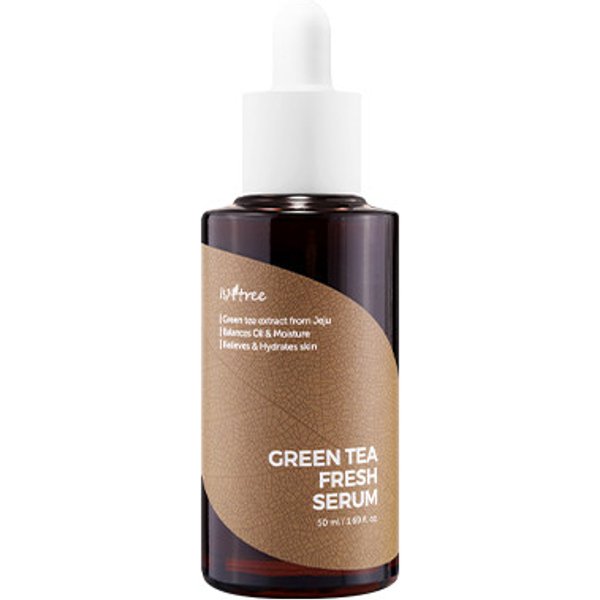 IsntreeGreen Tea Fresh Serum - 50ml$15.62Also on YesStyle
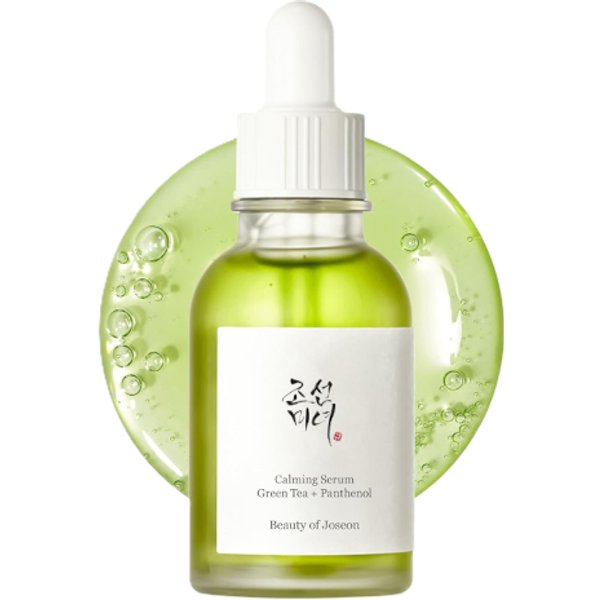 BEAUTY OF JOSEONCalming Serum : Green tea + Panthenol - 60ml$19.20Also on YesStyle
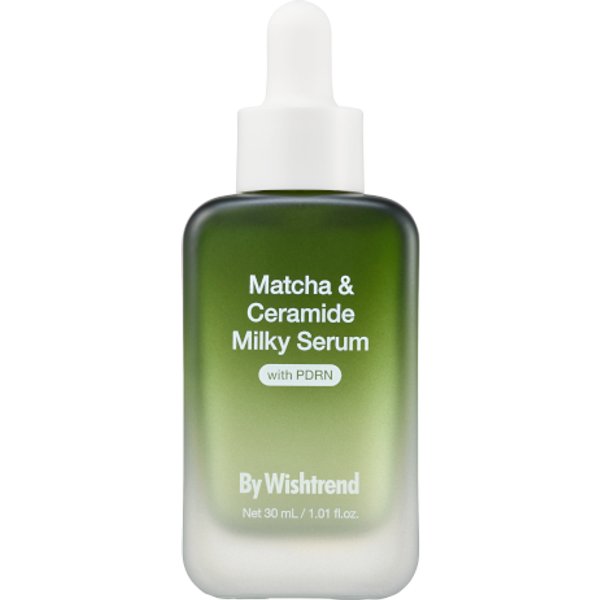 ByWishtrendMatcha & Ceramide Milky Serum - 30ml$19.60Also on Stylevana
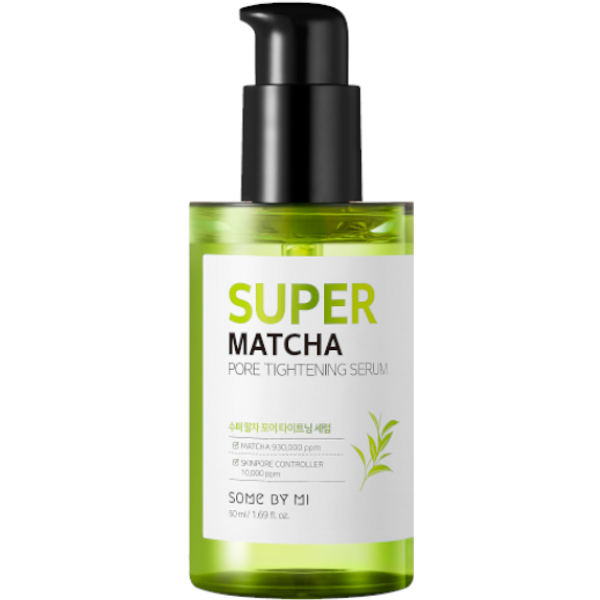 SOME BY MISuper Matcha Pore Tightening Serum - 50ml$19.67Also on Stylevana
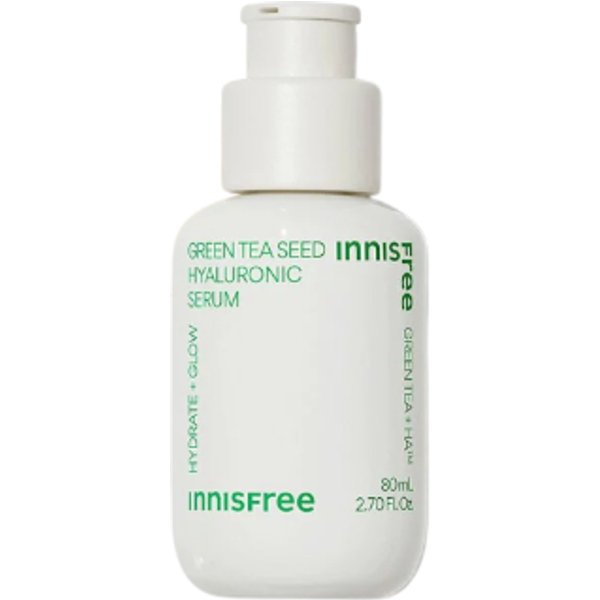 innisfreeGreen Tea Seed Hyaluronic Serum - 80ml$20.23Also on YesStyle
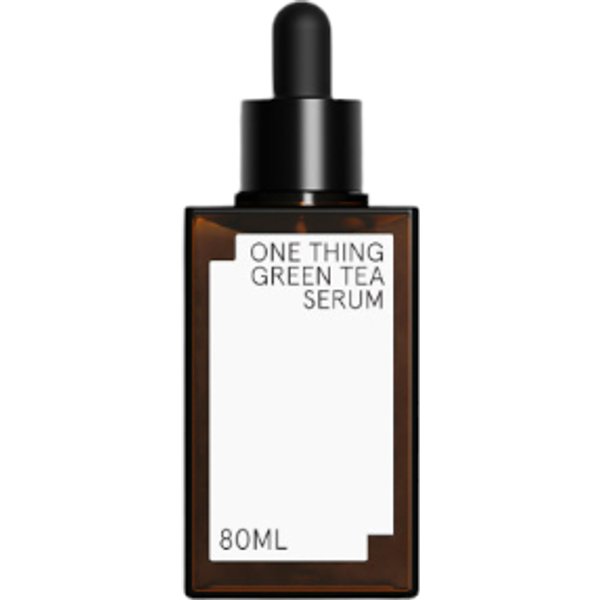 ONE THINGGreen Tea Serum - 80ml$21.00
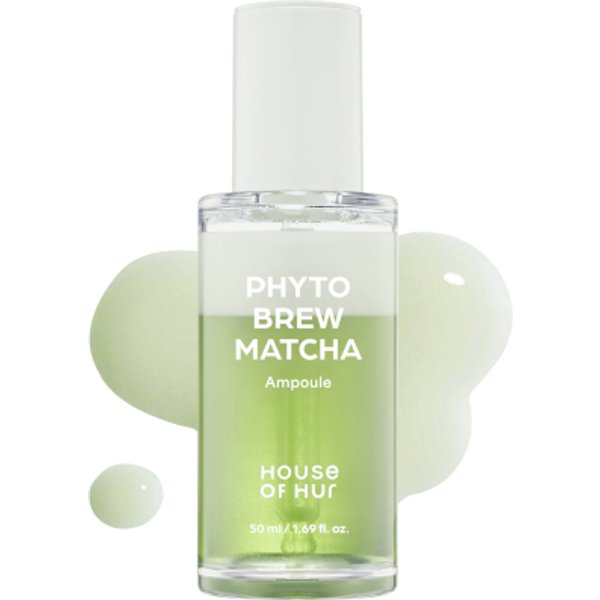 HOUSE OF HURPhyto Brew Matcha Ampoule - 50ml$21.00Also on YesStyle
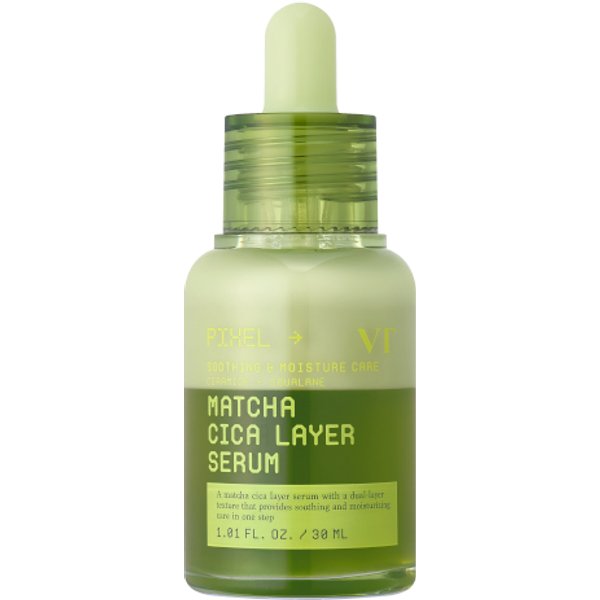 VTMatcha Cica Layer Serum - 30ml$21.60Also on YesStyle
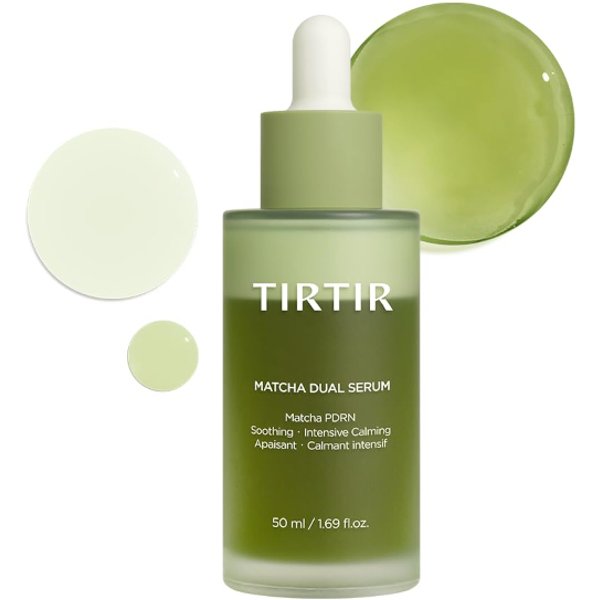 TIRTIRMatcha Dual Serum - 50ml$21.75Also on Stylevana
Moisturizers · 9
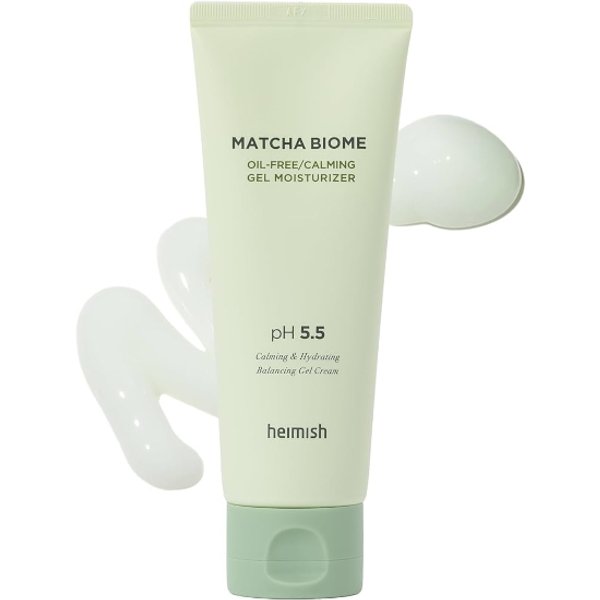 heimishMatcha Biome Oil Free Calming Gel Moisturizer - 100ml$15.39Also on YesStyle
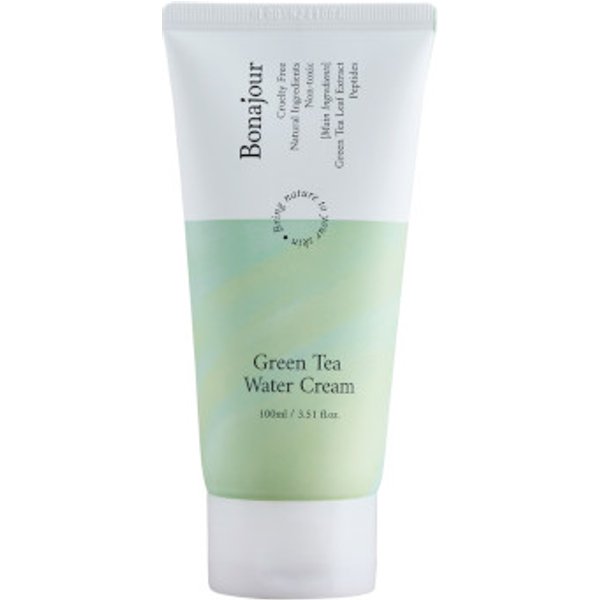 BONAJOURGreen Tea Water Cream - 100ml$16.00
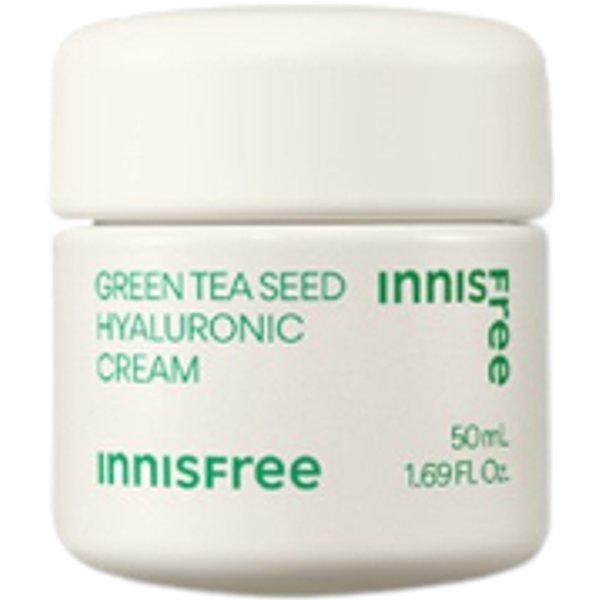 innisfreeGreen Tea Seed Hyaluronic Cream - 50ml$16.69
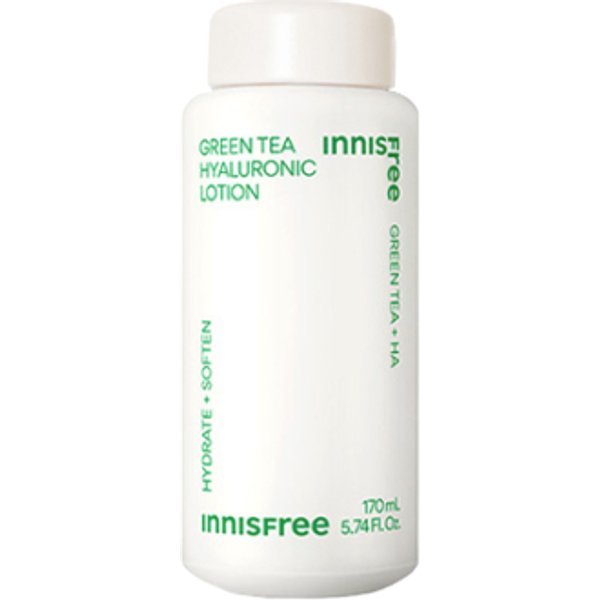 innisfreeGreen Tea Hyaluronic Lotion - 170ml$17.24Also on YesStyle
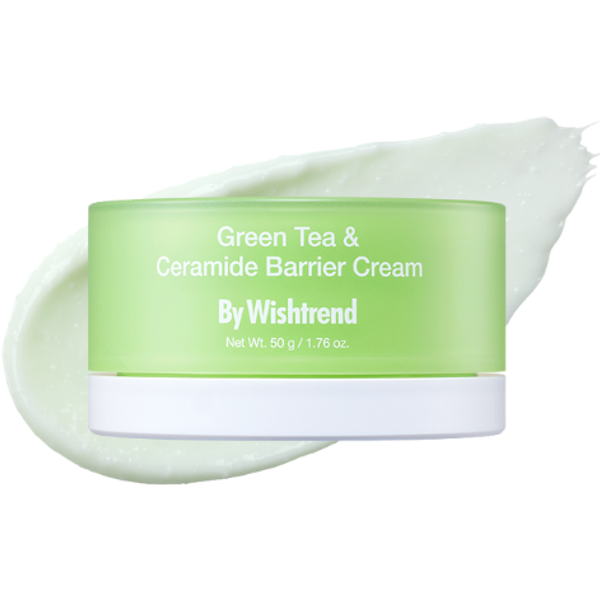 ByWishtrendGreen Tea & Ceramide Barrier Cream - 50g$17.50Also on Stylevana
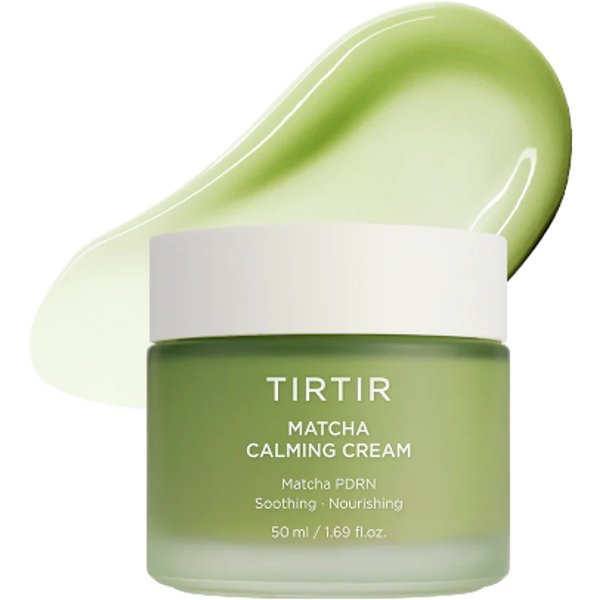 TIRTIRMatcha Calming Cream - 50ml$19.58Also on Stylevana
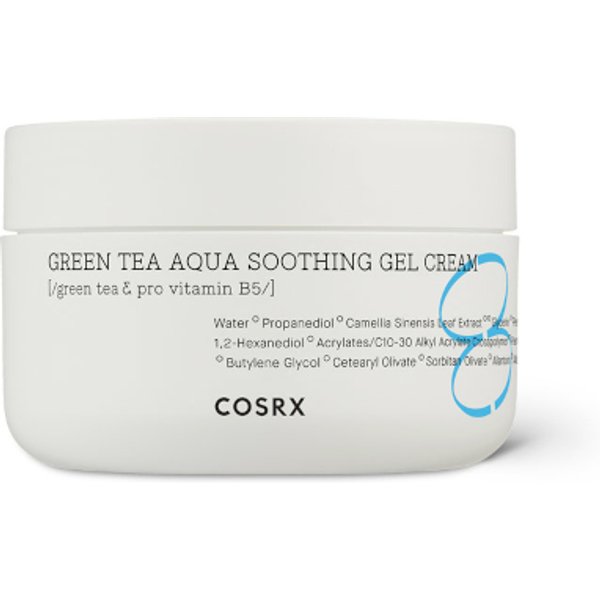 COSRXHydrium Green Tea Aqua Soothing Gel Cream - 50ml$20.00Also on YesStyle
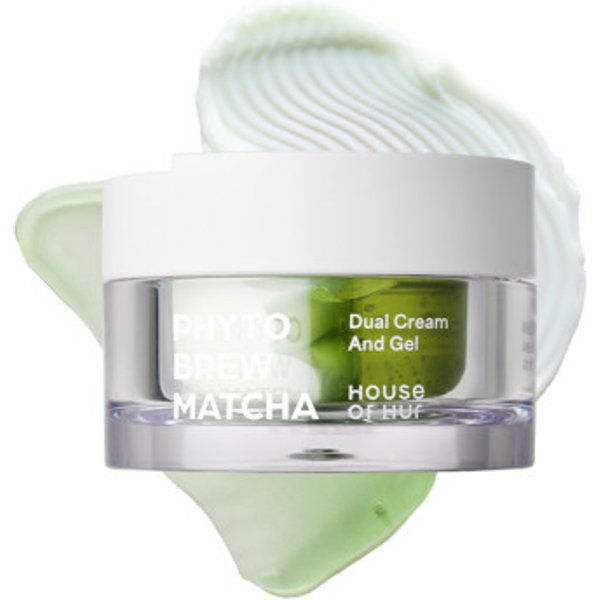 HOUSE OF HURPhyto Brew Matcha Dual Cream And Gel - 50ml$24.00Also on YesStyle
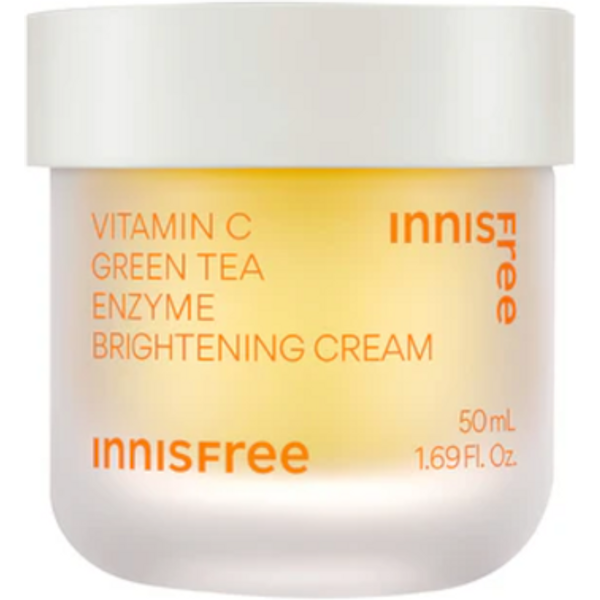 innisfreeVitamin C Green Tea Enzyme Brightening Cream - 50ml$26.99
Already have one? Check how it fits your skin with Pick.
Common questions about Green Tea Extract#
What is Green Tea Extract?
- A plant antioxidant that helps breakout-prone skin look clearer and calmer, and takes some of the shine off through the day.
What else is Green Tea Extract called?
- On a label you may see EGCG, Camellia sinensis and Green tea.
When should you apply Green Tea Extract?
- Morning or evening. Nothing in the studies favors one time of day over the other.
Which form of Green Tea Extract should you use?
- Green tea antioxidant serum — before moisturizer, morning or evening, daily. Green tea cream — as your moisturizer, morning or evening, daily.
How often can you use Green Tea Extract?
- Daily.
Where do you apply Green Tea Extract?
- All over the face. Keep it away from your eyes and lips.
Can you use Green Tea Extract around the eyes?
- Yes. Green Tea Extract goes all over the face, the skin around the eyes included — keep it out of your eyes and off your lips.
Does Green Tea Extract make skin more sensitive to the sun?
- No. Green Tea Extract is not flagged as increasing sun sensitivity.
What should you not use with Green Tea Extract?
- Nothing flagged. None of the ingredients this wiki covers needs to be kept apart from Green Tea Extract — check the label of anything not covered here.
Is there a cosmetic limit for Green Tea Extract?
- No. No cosmetic regulator in the United States, Canada, the European Union or Great Britain sets a maximum strength for it. That is a limit on the rules, not a signal to use more.
Related ingredients#
How we check this#
Everything on this page traces to the sources listed below — regulators' own publications and published studies. Where the evidence does not answer a question, it is left unanswered.
Some sources below are the official product information for prescription medicines, cited for how they interact with this ingredient. We use them for their safety and handling detail only. A cosmetic product is not one of those medicines and is not intended to treat any condition.
Our review is AI-assisted and is not a named expert's opinion. Last reviewed August 6, 2026.
Think something here is out of date or wrong? Email us at wiki@skinintelligence.ai with your reasoning and where you read it. We read what people send, and we update the page when the sources support it.
Regulators and official bodies · 6
- S1Cosmetic Ingredient Review Expert Panel. Safety Assessment of Camellia sinensis–Derived Ingredients As Used in Cosmetics. Int J Toxicol 2019. — and the CIR working documents,, at cir-safety.org. (In vault.).
- S2Health Products Regulatory Authority (Ireland). Catephen 10% ointment — Summary of Product Characteristics, PA1748/003/001, CRN00F95Q, 25 July 2024. .
- S3US Food and Drug Administration. Veregen (sinecatechins) Ointment, 15% — Prescribing Information, NDA 21-902. .
- S4Regulation (EC) No 1223/2009 of the European Parliament and of the Council of 30 November 2009 on cosmetic products, consolidated text CELEX 02009R1223-20260501. (In vault.).
- S5Regulation (EC) No 1223/2009, Annex II and Annex III, as retained in Great Britain law. · /annex/III (In vault.).
- S6Health Canada. Cosmetic Ingredient Hotlist: prohibited and restricted ingredients. .
Studies and references · 25
- S7Kim S, Park TH, Kim WI, Park S, Kim JH, Cho MK. The effects of green tea on acne vulgaris: A systematic review and meta-analysis of randomized clinical trials. Phytother Res 2021;35(1):374–383. PMID 32812270.
- S8Yoon JY, Kwon HH, Min SU, Thiboutot DM, Suh DH. Epigallocatechin-3-gallate improves acne in humans by modulating intracellular molecular targets and inhibiting P. acnes. J Invest Dermatol 2013;133(2):429–40. PMID 23096708.
- S9Elsaie ML, Abdelhamid MF, Elsaaiee LT, Emam HM. The efficacy of topical 2% green tea lotion in mild-to-moderate acne vulgaris. J Drugs Dermatol 2009;8(4):358–64. PMID 19363854. .
- S10Sharquie KE, Al-Turfi IA, Al-Shimary WM. Treatment of acne vulgaris with 2% topical tea lotion. Saudi Med J 2006;27(1):83–5. PMID 16432600.
- S11Elmets CA, Singh D, Tubesing K, Matsui M, Katiyar S, Mukhtar H. Cutaneous photoprotection from ultraviolet injury by green tea polyphenols. J Am Acad Dermatol 2001;44(3):425–32. PMID 11209110. .
- S12Camouse MM, Domingo DS, Swain FR, Conrad EP, Matsui MS, Maes D, Declercq L, Cooper KD, Stevens SR, Baron ED. Topical application of green and white tea extracts provides protection from solar-simulated ultraviolet light in human skin. Exp Dermatol 2009;18(6):522–6. PMID 19492999. .
- S13Chiu AE, Chan JL, Kern DG, Kohler S, Rehmus WE, Kimball AB. Double-blinded, placebo-controlled trial of green tea extracts in the clinical and histologic appearance of photoaging skin. Dermatol Surg 2005;31(7 Pt 2):855–60. PMID 16029678.
- S14Gianeti MD, Mercurio DG, Campos PM. The use of green tea extract in cosmetic formulations: not only an antioxidant active ingredient. Dermatol Ther 2013;26(3):267–71. PMID 23742288.
- S15Domingo DS, Camouse MM, Hsia AH, Matsui M, Maes D, Ward NL, Cooper KD, Baron ED. Anti-angiogenic effects of epigallocatechin-3-gallate in human skin. Int J Clin Exp Pathol 2010;3(7):705–9. PMID 20830241. .
- S16Scalia S, Marchetti N, Bianchi A. Comparative evaluation of different co-antioxidants on the photochemical- and functional-stability of epigallocatechin-3-gallate in topical creams exposed to simulated sunlight. Molecules 2013;18(1):574–87. PMID 23292326.
- S17Patrizi A, Raone B, Neri I, Gurioli C, Carbonara M, Cassano N, Vena GA. Randomized, controlled, double-blind clinical study evaluating the safety and efficacy of MD2011001 cream in mild-to-moderate atopic dermatitis of the face and neck in children, adolescents and adults. J Dermatolog Treat 2016;27(4):346–50. PMID 26652026. .
- S18Paulsen E, Hvid L, Andersen F. Immediate and delayed contact reactions to white and green tea blends. Contact Dermatitis 2022;86(2):134–136. PMID 34668202. .
- S19dal Belo SE, Gaspar LR, Maia Campos PM, Marty JP. Skin penetration of epigallocatechin-3-gallate and quercetin from green tea and Ginkgo biloba extracts vehiculated in cosmetic formulations. Skin Pharmacol Physiol 2009;22(6):299–304. PMID 19786823.
- S20Kim HK, Choi SY, Chang HK, Baek SY, Chung JO, Rha CS, Kim BJ, Kim MN. Human skin safety test of green tea cell extracts in condition of allergic contact dermatitis. Toxicol Res 2012;28(2):113–6. PMID 24278598. .
- S21Śladowska K, Moćko P, Brzostek T, Malinowska-Lipień I, Owca M, Kawalec P. Efficacy and Safety of Epigallocatechin Gallate in the Treatment and Prevention of Dermatitis: A Systematic Review. Biomedicines 2025;13(6). PMID 40564177. .
- S22Jia L, Wang F, Zhang K, Wang D, Wang X, Li X. l-Theanine Inhibits (-)-Epigallocatechin-3-gallate Oxidation via Chelating Copper. J Agric Food Chem 2022. PMID 35696521.
- S23Dvorakova K, Dorr RT, Valcic S, Timmermann B, Alberts DS. Pharmacokinetics of the green tea derivative, EGCG, by the topical route of administration in mouse and human skin. Cancer Chemother Pharmacol 1999;43(4):331–5. PMID 10071985.
- S24Unnadkat NR, Elias RJ. Oxidative stability of (-)-epigallocatechin gallate in the presence of thiols. J Agric Food Chem 2012. PMID 23035942.
- S25Koch W, Zagórska J, Marzec Z, Kukula-Koch W. Applications of Tea (Camellia sinensis) and its Active Constituents in Cosmetics. Molecules 2019;24(23):4277. PMID 31771249. — used only as the reporting channel for the Meethama green-tea toner study and the crow's-feet report; both are secondary citations and are marked as such wherever used.
- S26Mahmood T, Akhtar N, Khan BA, Khan HM, Saeed T. Outcomes of 3% green tea emulsion on skin sebum production in male volunteers. Bosn J Basic Med Sci 2010;10(3):260–4. PMID 20846135.
- S27Hara K, Ohara M, Hayashi I, Hino T, Nishimura R, Iwasaki Y. The green tea polyphenol (-)-epigallocatechin gallate precipitates salivary proteins including alpha-amylase: biochemical implications for oral health. Eur J Oral Sci 2012. PMID 22409219.
- S28Frasheri L, Schielein MC, Tizek L, Mikschl P, Biedermann T, Zink A. Great green tea ingredient? A narrative literature review on epigallocatechin gallate and its biophysical properties for topical use in dermatology. Phytother Res 2020;34(9):2170–2179. PMID 32189392. — source of the pH-stability figures used in the acid-partner ruling (EGCG stable below pH 4, poorly stable pH 4–8).
- S29Chen L, Wang W, Zhang J, Cui H, Ni D, Jiang H. Dual effects of ascorbic acid on the stability of EGCG by the oxidation product dehydroascorbic acid promoting the oxidation and inhibiting the hydrolysis pathway. Food Chem 2021;338:127788. PMID 32799157. — solution chemistry; the qualifier on the Vitamin C pairing.
- S30Health Products Regulatory Authority (Ireland). Roaccutane 5 mg soft capsules — Summary of Product Characteristics, PA0050/053/002. — read for §4.4 and §4.5; contains no reference to tea, Camellia, catechin or herbal products.
- S31National Center for Complementary and Integrative Health. Green Tea. — states liver injury has been reported "primarily green tea extracts in tablet or capsule form", i.e. oral. (In vault.).