What does Aloe do?#
A soothing gel with aloe vera that helps skin feel hydrated and comfortable and calms the look of redness.
Benefits
- Helps skin hold on to moisture for a fresh, hydrated feel
- Helps calm the look of redness for a more even-looking complexion
- Lightweight, fast-absorbing comfort that suits daily use
- Can be layered with an evening retinoid
How it works
Aloe vera's gel is mostly water held in a mesh of natural plant sugars, which helps the skin's surface draw in and hold moisture. These components also help skin feel more comfortable and look less flushed.
How to use Aloe#
Before you start
Choose a finished product rather than raw leaf cut at home — the layer just under the rind is what can irritate.
Where it goes
A gel or serum goes on after cleansing and before your moisturizer; an aloe cream replaces your moisturizer.
Where to apply
Keep it off broken skin and skin that has just had a facial or laser session.
How to apply
A thin layer is enough. It absorbs quickly and can go under heavier products.
Alongside others
It can be layered with an evening retinoid.
What to look for
If a gel leaves skin feeling tight, follow it with your moisturizer.
If it doesn't suit
If it stings or causes a rash, rinse it off and stop using it.
Discontinue use if unexpected discomfort occurs.
The form you will see it in
Aloe soothing gel
- Where it goes
- Before moisturizer
Using Aloe with other ingredients
Pairs well with Aloe
Retinol
Works well togetherAloe's soothing hydration helps keep skin comfortable alongside a stronger evening active.
Green Tea Extract
Works well togetherBoth are lightweight and calming, and can be used in the same routine.
What not to use with Aloe
Nothing flagged. None of the ingredients this wiki covers needs to be kept apart from Aloe — check the label of anything not covered here.
Who should avoid Aloe?#
Six situations change whether Aloe suits your skin right now. Each one is either a reason to skip it, a reason to go slowly, or nothing to watch for.
- Fragile or Sensitive
- Skip it
- Recent Facial or Laser
- Skip it
- Maternity & Nursing
- No caution
- Prone to Redness
- No caution
- Dry or Itchy Patches
- No caution
- Recent Shave or Wax
- No caution
Cosmetic strength limits for Aloe where you live#
| Region | Most a cosmetic may contain | |
|---|---|---|
 United States United States | No explicit cap | |
The FDA restricts a short list of ingredients and sets no general strength ceiling on the rest. A figure marked "guidance, not law" is the Cosmetic Ingredient Review panel's recommendation. 21 CFR part 700, subpart B — Requirements for Specific Cosmetic Products (FDA) | ||
 Canada Canada | No explicit cap | |
One list does the work — Health Canada's Hotlist of prohibited and restricted cosmetic ingredients. | ||
 European Union European Union | No explicit cap | |
The Cosmetics Regulation's annexes, consolidated to 1 May 2026. A figure marked "guidance, not law" comes from the EU's cosmetic safety committee rather than from the annexes. | ||
 Great Britain Great Britain | No explicit cap | |
Great Britain kept the annexes as its own law and updates them only when it chooses; Northern Ireland follows the live EU Regulation, which is why some rows read differently for each. Regulation (EC) No 1223/2009 as it applies in Great Britain · Regulation (EC) No 1223/2009, Annexes II–VI | ||
 India India | No explicit cap | |
India writes its own standard, aligned to the European rules as they stood in 2012. Mandatory since 9 February 2026. IS 4707 (Part 2):2025 — restricted and prohibited cosmetic ingredients · IS 4707 (Part 3):2025 — preservatives · Cosmetics Rules, 2020, Ninth Schedule | ||
 Brazil Brazil | No explicit cap | |
ANVISA rewrote its restricted list in June 2026, and a companion act amended the prohibited list at the same time. RDC 1.029/2026 — restricted ingredients · RDC 529/2021 — prohibited ingredients, as amended by RDC 1.030/2026 · RDC 528/2021 — preservatives | ||
 Japan Japan | No explicit cap | |
Japan's cosmetics standard keeps drug ingredients out of cosmetics, so most of its figures sit in the ministry's list of the ones a cosmetic may still contain. Cosmetics Standards (化粧品基準), Ministry of Health, Labour and Welfare · Cosmetics Standards — the ministry's own English translation · Drug ingredients permitted in cosmetics — 2007 notification | ||
 South Korea South Korea | No explicit cap | |
One MFDS regulation carries both the prohibited list and the restricted list, in force 18 March 2026. Sunscreens and a few other categories are cleared product by product instead. Regulation on Safety Standards for Cosmetics (MFDS Notification 2026-19) · Regulation on the Review of Functional Cosmetics (MFDS Notification 2025-88) | ||
 Kenya Kenya | No explicit cap | |
Kenya's standard applies the EU annexes as they stand rather than copying them, so its ingredient limits are the EU's — including the 2024 additions. A figure marked "guidance, not law" sits outside the annexes and does not carry over. KS EAS 377-1, -2 and -3:2022 — cosmetics safety requirements, published by KEBS · Regulation (EC) No 1223/2009, Annexes II–VI | ||
 Namibia Namibia | No explicit cap | |
Namibia sets no ingredient limits at all. Its cosmetic rule is a single line requiring a product to be free of any harmful ingredient. Foodstuffs, Cosmetics and Disinfectants Ordinance 18 of 1979, and the regulations under it | ||
 Ukraine Ukraine | No explicit cap | |
Ukraine's own transposition of the EU annexes, as they stood before the 2024 additions, fully in force since 3 August 2026. A further revision is due on 1 February 2027. Technical Regulation on cosmetic products — Cabinet Resolution No. 65 of 20 January 2021 | ||
 Georgia Georgia | No explicit cap | |
Georgia has no cosmetics rulebook — its register of technical regulations carries no cosmetics entry — so only the general product-safety duty applies. | ||
 Australia Australia | No explicit cap | |
Australia writes no cosmetic ingredient list. A figure here is the point at which a substance becomes a medicine or a scheduled substance carrying Caution labeling, so its numbers sit well above other markets'. Poisons Standard — June 2026 · Therapeutic Goods (Excluded Goods) Determination 2018 | ||
 United Arab Emirates United Arab Emirates | No explicit cap | |
The Gulf standard points at the EU annexes as amended, so its ingredient limits are the EU's. A figure marked "guidance, not law" sits outside the annexes and does not carry over. GSO 1943:2024 — Cosmetic products: safety requirements (Gulf technical regulation) · Regulation (EC) No 1223/2009, Annexes II–VI | ||
 Kuwait Kuwait | No explicit cap | |
The Gulf standard points at the EU annexes as amended, so its ingredient limits are the EU's. A figure marked "guidance, not law" sits outside the annexes and does not carry over. GSO 1943:2024 — Cosmetic products: safety requirements (Gulf technical regulation) · Regulation (EC) No 1223/2009, Annexes II–VI | ||
 Hong Kong Hong Kong | No explicit cap | |
Hong Kong writes no cosmetics rulebook. Its Poisons List (Cap. 138A, Schedule 10) decides which substances may be sold only as medicines, and general safety is judged case by case against whichever overseas standard the enforcer considers reasonable. Pharmacy and Poisons Regulations (Cap. 138A), Schedule 10 — the poisons list · Pharmacy and Poisons Board — Guidance Notes on classifying pharmaceutical products, April 2026 | ||
 Singapore Singapore | No explicit cap | |
Singapore writes the ASEAN annexes into its own schedule, and its regulator tells companies to check the current ASEAN release as well — which is why a figure here can read "guidance, not law". Health Products (Cosmetic Products — ASEAN Cosmetic Directive) Regulations 2007, Third Schedule · ASEAN Cosmetic Directive annexes — release 2026-1, 22 June 2026 | ||
 Brunei Brunei | No explicit cap | |
Brunei carries the 2007 ASEAN annexes in its own schedule and has not updated them since, so it reads differently from Singapore on several ingredients. Medicines (Cosmetic Products) Regulations (Cap. 285 Rg 1), Schedule 1 — revised edition 2024 | ||
 Jordan Jordan | No explicit cap | |
Jordan's cosmetic rules defer to "the approved references" and name none of them, so there is no Jordanian figure to read. The only number in the instrument governs the ingredient list on the pack. JFDA instructions on cosmetics and pharmaceutical cosmetics, 2026 | ||
 Trinidad & Tobago Trinidad & Tobago | No explicit cap | |
Trinidad and Tobago has had the power to set cosmetic standards since 1960 and has never used it. The regulations made under the Act cover food and drugs, with no cosmetics part; what binds is the Act's general rule against selling a cosmetic that may injure the user. Food and Drugs Act, Chap. 30:01 · Food and Drugs Regulations | ||
No cosmetic regulator in the 20 markets above sets a maximum strength for aloe. That is the state of the rules, not a signal to use more: how much goes into a product is the formulator's decision.
Open a market to see the rulebook its figure comes from. Those notes describe each market's own rules as we read them, current to August 24, 2026; the linked documents are the authority, and nothing here is legal advice.
Sample products with Aloe#
A few well-known products, not a full list — product names are each brand's own. We don't sell them — the shop prices them in US dollars and ships from Hong Kong, so delivery and duties come on top. It may not ship everywhere.
We may earn a small commission when you buy through these links.
Moisturizers · 14
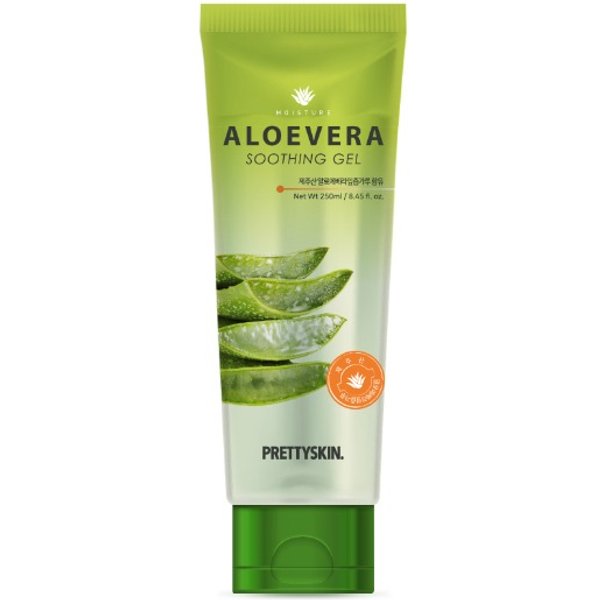 PRETTYSKINAloe Vera Soothing Gel - 250ml$2.29
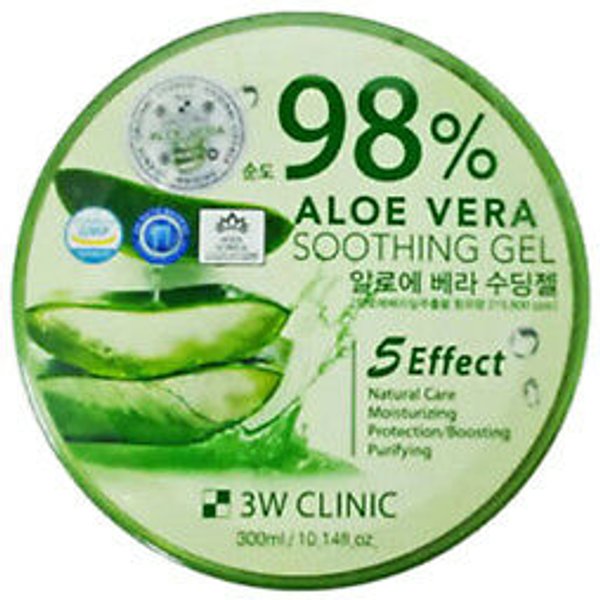 3W ClinicAloe Vera Soothing Gel 98% - 300ml$2.42
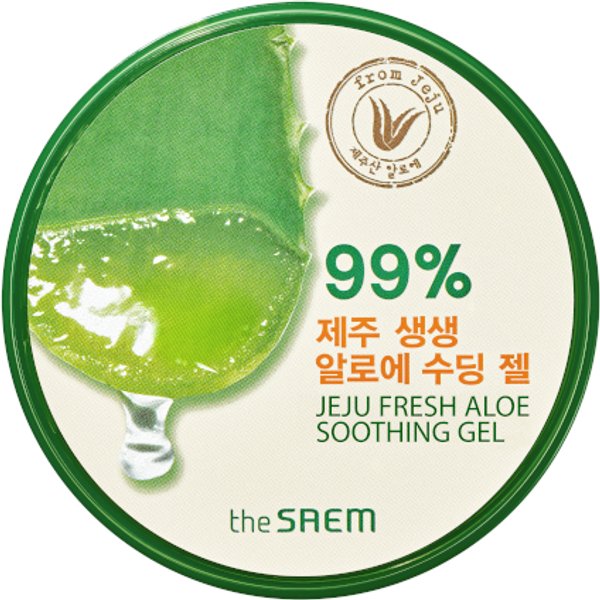 The SaemJeju Fresh Aloe Soothing Gel 99% - 300ml$3.64Also on YesStyle
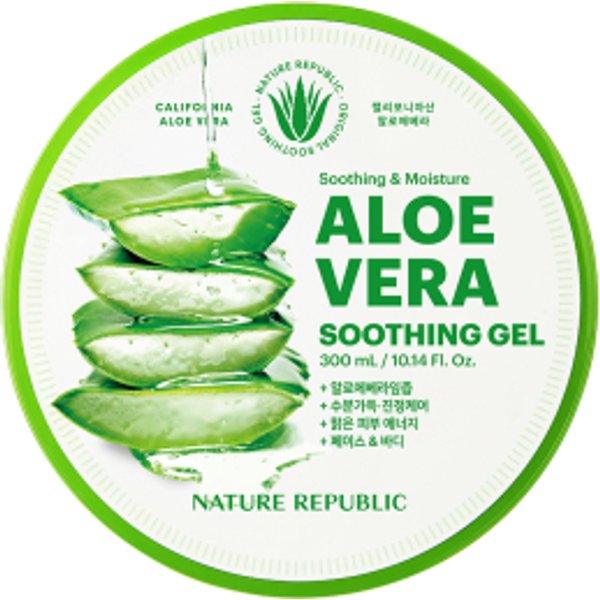 NATURE REPUBLICSoothing & Moisture Aloe Vera 92% Soothing Gel - 300ml$4.10
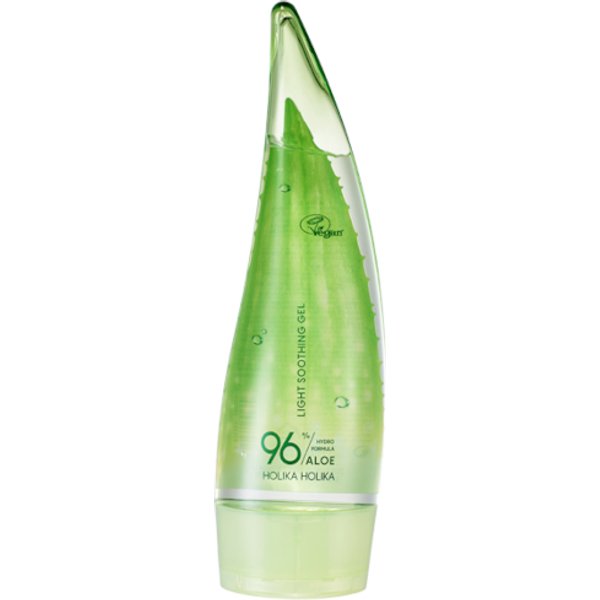 Holika HolikaAloe Hydro Formula 96% Light Soothing Gel - 55ml$5.14
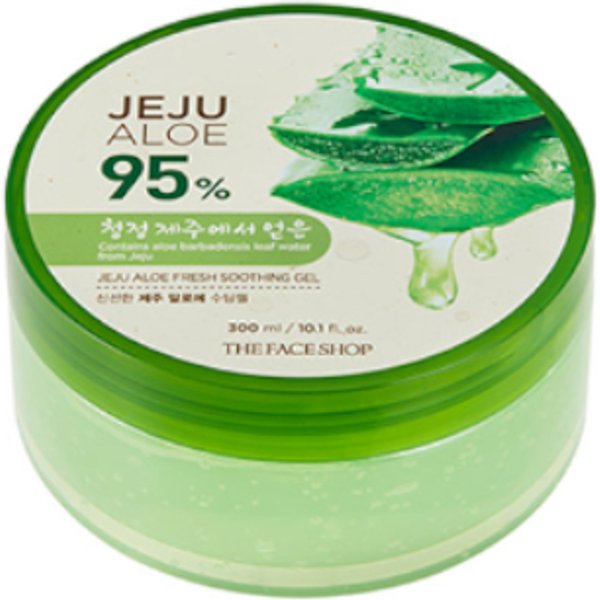 THE FACE SHOPFresh Jeju Aloe 95% Soothing Gel - 300ml$5.40Also on YesStyle
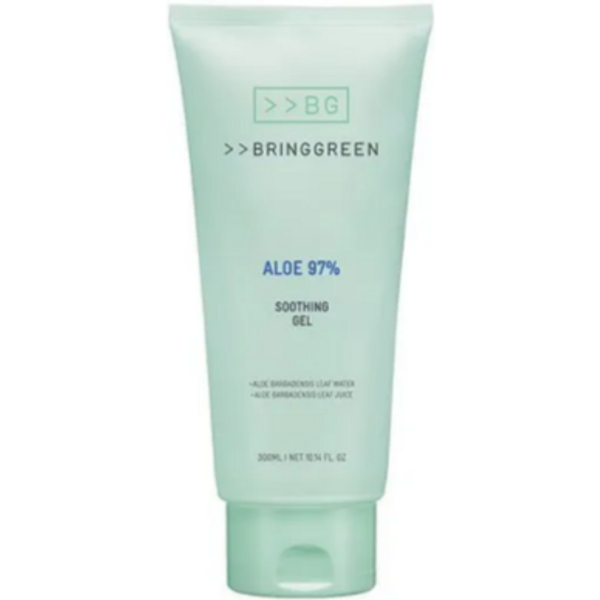 BRING GREENAloe 97% Soothing Gel - 300ml$5.59Also on YesStyle
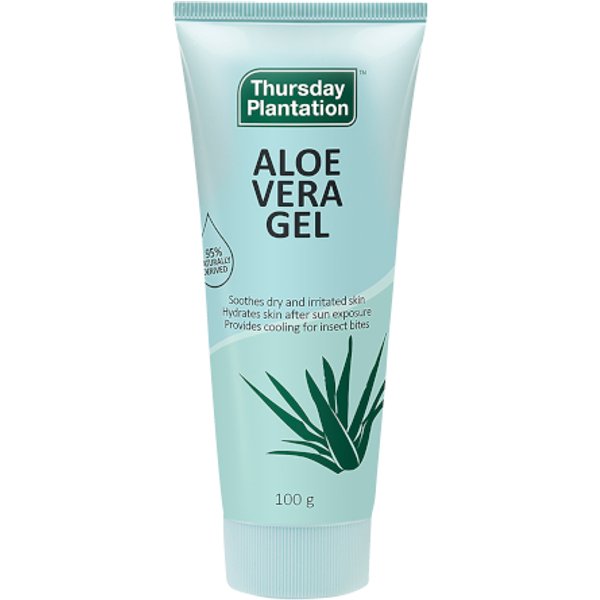 Thursday PlantationAloe Vera Gel - 100g$7.19
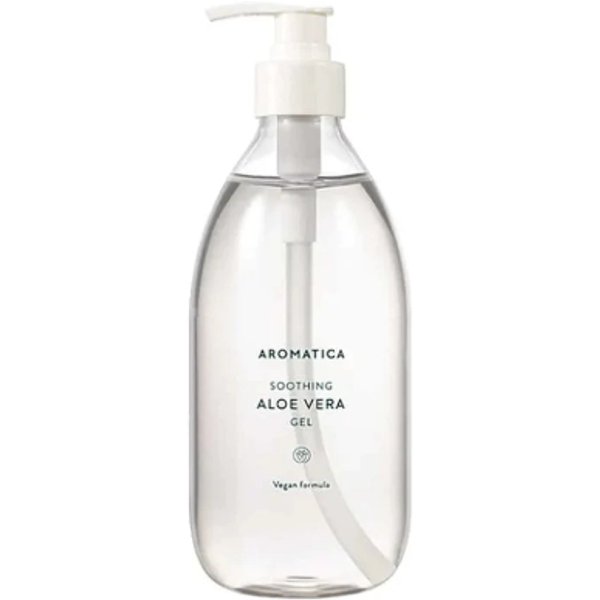 aromaticaSoothing Aloe Vera Gel - 180ml$7.20
 IsntreeAloe Soothing Gel Moisture Type 150ml - New Version$8.40
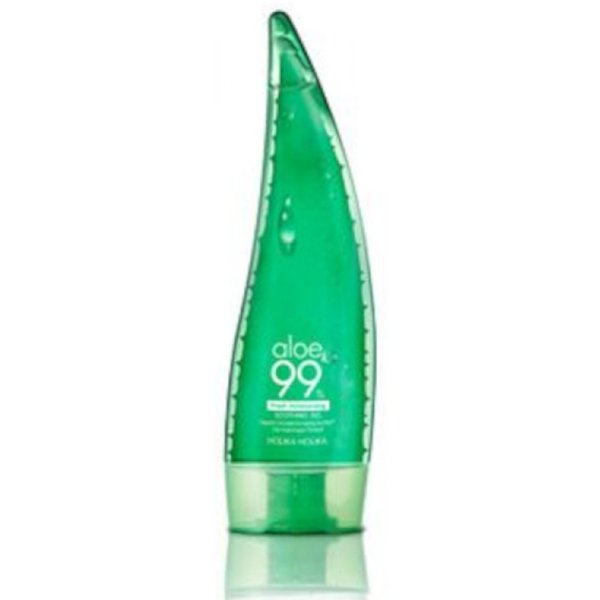 Holika HolikaAloe Hydro Formula 96% Soothing Gel - 250ml$8.79
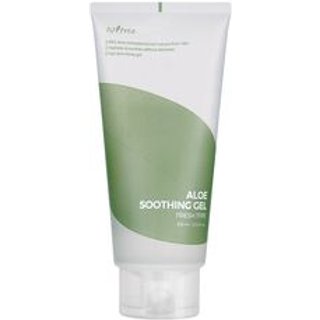 IsntreeAloe Soothing Gel Fresh Type 300ml$10.86
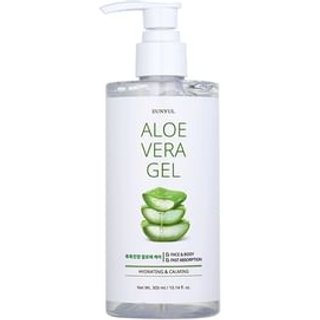 EUNYULAloe Vera Soothing Gel Pump 2026 Version - 300ml$13.44
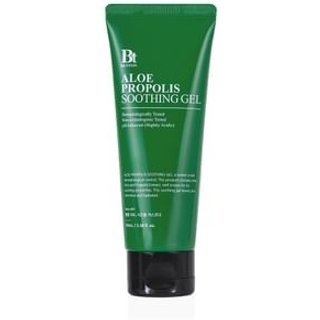 BentonAloe Propolis Soothing Gel 100ml Renewed - 100ml$13.95
Already have one? Check how it fits your skin with Pick.
Common questions about Aloe#
What is Aloe?
- The gel from the aloe vera leaf — a lightweight hydrator that helps skin feel comfortable and calms the look of redness.
What else is Aloe called?
- On a label you may see Aloe vera, Aloe barbadensis and Aloe gel.
When should you apply Aloe?
- Morning or evening.
How often can you use Aloe?
- Daily.
Where do you apply Aloe?
- All over the face. Keep it away from your eyes and lips.
Can you use Aloe around the eyes?
- Yes. Aloe goes all over the face, the skin around the eyes included — keep it out of your eyes and off your lips.
Does Aloe make skin more sensitive to the sun?
- Aloe isn't one of the actives we flag for extra sun care, but that's not a promise about your skin. Wear sunscreen every morning regardless.
What should you not use with Aloe?
- Nothing flagged. None of the ingredients this wiki covers needs to be kept apart from Aloe — check the label of anything not covered here.
Who should avoid Aloe?
- Skip it if any of these apply: Fragile or Sensitive and Recent Facial or Laser.
Is there a cosmetic limit for Aloe?
- No. No cosmetic regulator in the United States, Canada, the European Union or Great Britain sets a maximum strength for it. That is a limit on the rules, not a signal to use more.
Related ingredients#
How we check this#
Everything on this page traces to the sources listed below — regulators' own publications and published studies. Where the evidence does not answer a question, it is left unanswered.
Some sources below are medical studies. This ingredient has been studied in conditions a doctor treats, and the record cited here includes findings that did not favor it. We use those studies for their safety and handling detail only. A cosmetic product is not a medicine and is not intended to treat, cure or prevent any condition.
Our review is AI-assisted and is not a named expert's opinion. Last reviewed September 1, 2026.
Think something here is out of date or wrong? Email us at wiki@skinintelligence.ai with your reasoning and where you read it. We read what people send, and we update the page when the sources support it.
Regulators and official bodies · 10
- S1Cosmetic Ingredient Review Expert Panel. Final report on the safety assessment of Aloe Andongensis Extract … and Aloe Ferox Leaf Juice Extract. Int J Toxicol. 2007;26 Suppl 2:1–50. doi:10.1080/10915810701351186. PMID 17613130. Tier 1..
- S2Committee on Herbal Medicinal Products (HMPC). European Union herbal monograph on Aloe barbadensis Mill. and on Aloe (various species, mainly Aloe ferox Mill. and its hybrids), folii succus siccatus. EMA/HMPC/625788/2015, adopted 22 November 2016. Tier 1. (Oral latex route.).
- S3Commission Decision (EU) 2019/701 establishing a glossary of common ingredient names for use in the labelling of cosmetic products. CELEX 32019D0701. Tier 1..
- S4Regulation (EC) No 1223/2009 on cosmetic products, consolidated text as at 2026-05-01. CELEX 02009R1223. Tier 1. (Zero "aloe" occurrences across all Annexes.).
- S5Regulation (EC) No 1223/2009, Annex II (retained UK law), legislation.gov.uk. Tier 1. (Zero "aloe" occurrences.).
- S6Health Canada. Cosmetic Ingredient Hotlist — prohibited and restricted ingredients, 2025 list. Tier 1. (No aloe entry.).
- S721 CFR Part 700 — General cosmetic regulations. eCFR. Tier 1. (No aloe entry.).
- S8FDA. Status of Certain Additional Over-the-Counter Drug Category II and III Active Ingredients. Final rule, 67 FR 31125, 9 May 2002; codified at 21 CFR 310.545(a)(12)(iv)(C). Tier 1..
- S9European Commission. CosIng entry 74262 — ALOE BARBADENSIS FLOWER EXTRACT. Tier 1..
- S10European Commission. CosIng entry 100295 — ALOE VERA LEAF EXTRACT. Tier 1..
Studies and references · 36
- S11Dal'Belo SE, Gaspar LR, Maia Campos PM. Moisturizing effect of cosmetic formulations containing Aloe vera extract in different concentrations assessed by skin bioengineering techniques. Skin Res Technol. 2006;12(4):241–6. PMID 17026654. Tier 2..
- S12Reuter J, Jocher A, Stump J, Grossjohann B, Franke G, Schempp CM. Investigation of the anti-inflammatory potential of Aloe vera gel (97.5%) in the ultraviolet erythema test. Skin Pharmacol Physiol. 2008;21(2):106–10. PMID 18253066. Tier 2..
- S13Reider N, Issa A, Hawranek T, Schuster C, Aberer W, Kofler H, Fritsch P, Hausen BM. Absence of contact sensitization to Aloe vera (L.) Burm. f. Contact Dermatitis. 2005;53(6):332–4. PMID 16364121. Tier 2..
- S14Cole L, Heard C. Skin permeation enhancement potential of Aloe Vera and a proposed mechanism of action based upon size exclusion and pull effect. Int J Pharm. 2007;333(1–2):10–6. PMID 17088033. Tier 2..
- S15Fox LT, Gerber M, du Preez JL, du Plessis J, Hamman JH. Skin permeation enhancement effects of the gel and whole-leaf materials of Aloe vera, Aloe marlothii and Aloe ferox. J Pharm Pharmacol. 2015;67(1):96–106. PMID 25196486. Tier 2..
- S16Jin YH, Lee SJ, Chung MH, Park JH, Park YI, Cho TH, Lee SK. Aloesin and arbutin inhibit tyrosinase activity in a synergistic manner via a different action mechanism. Arch Pharm Res. 1999;22(3). PMID 10403123. Tier 2..
- S17Choi S, Lee SK, Kim JE, Chung MH, Park YI. Aloesin inhibits hyperpigmentation induced by UV radiation. Clin Exp Dermatol. 2002;27(6):513–5. PMID 12372097. Tier 2..
- S18Hajheydari Z, Saeedi M, Morteza-Semnani K, Soltani A. Effect of Aloe vera topical gel combined with tretinoin in treatment of mild and moderate acne vulgaris: a randomized, double-blind, prospective trial. J Dermatolog Treat. 2014;25(2):123–9. PMID 23336746. Tier 2..
- S19Paulsen E, Korsholm L, Brandrup F. A double-blind, placebo-controlled study of a commercial Aloe vera gel in the treatment of slight to moderate psoriasis vulgaris. J Eur Acad Dermatol Venereol. 2005;19(3):326–31. PMID 15857459. Tier 2..
- S20Choonhakarn C, Busaracome P, Sripanidkulchai B, Sarakarn P. A prospective, randomized clinical trial comparing topical aloe vera with 0.1% triamcinolone acetonide in mild to moderate plaque psoriasis. J Eur Acad Dermatol Venereol. 2010;24(2):168–72. PMID 19686327. Tier 2..
- S21Panahi Y, Rastgar N, Zamani A, Sahebkar A. Comparing the therapeutic effects of Aloe vera and olive oil combination cream versus topical betamethasone for atopic dermatitis: a randomized double-blind clinical trial. J Pharmacopuncture. 2020. PMID 33072415. Tier 2..
- S22Mazzarello V, Donadu MG, Ferrari M, Piga G, Usai D, Zanetti S, Sotgiu MA. Treatment of acne with a combination of propolis, tea tree oil, and Aloe vera compared to erythromycin cream: two double-blind investigations. Clin Pharmacol. 2018;10:175–81. PMID 30588129. Tier 2..
- S23Waranuch N, Phimnuan P, Yakaew S, Nakyai W, Grandmottet F, Onlom C, Srivilai J, Viyoch J. Antiacne and antiblotch activities of a formulated combination of Aloe barbadensis leaf powder, Garcinia mangostana peel extract, and Camellia sinensis leaf extract. Clin Cosmet Investig Dermatol. 2019;12:383–91. PMID 31239743. Tier 2..
- S24Schmidt JM, Greenspoon JS. Aloe vera dermal wound gel is associated with a delay in wound healing. Obstet Gynecol. 1991;78(1):115–7. PMID 2047051. Tier 2..
- S25Hunter D, Frumkin A. Adverse reactions to vitamin E and aloe vera preparations after dermabrasion and chemical peel. Cutis. 1991;47(3):193–6. PMID 2022130. Tier 2..
- S26Ghafarzadeh M, Eatemadi A. Clinical efficacy of liposome-encapsulated Aloe vera on melasma treatment during pregnancy. J Cosmet Laser Ther. 2017;19(3):181–7. PMID 28139161. Tier 2..
- S27Richardson J, Smith JE, McIntyre M, Thomas R, Pilkington K. Aloe vera for preventing radiation-induced skin reactions: a systematic literature review. Clin Oncol (R Coll Radiol). 2005;17(6):478–84. PMID 16149293. Tier 2..
- S28Maenthaisong R, Chaiyakunapruk N, Niruntraporn S, Kongkaew C. The efficacy of aloe vera used for burn wound healing: a systematic review. Burns. 2007;33(6):713–8. PMID 17499928. Tier 2..
- S29Dat AD, Poon F, Pham KB, Doust J. Aloe vera for treating acute and chronic wounds. Cochrane Database Syst Rev. 2012;(2):CD008762. PMID 22336851. Tier 2..
- S30Vogler BK, Ernst E. Aloe vera: a systematic review of its clinical effectiveness. Br J Gen Pract. 1999;49(447). PMID 10885091. Tier 2..
- S31Cho S, Lee S, Lee MJ, Lee DH, Won CH, Kim SM, Chung JH. Dietary Aloe vera supplementation improves facial wrinkles and elasticity and it increases the type I procollagen gene expression in human skin in vivo. Ann Dermatol. 2009;21(1). PMID 20548848. Tier 2. (Oral route.).
- S32Tanaka M, Misawa E, Yamauchi K, Abe F, Ishizaki C. Effects of plant sterols derived from Aloe vera gel on human dermal fibroblasts in vitro and on skin condition in Japanese women. Clin Cosmet Investig Dermatol. 2015;8. PMID 25759593. Tier 2. (Oral route.).
- S33Guo X, Mei N. Aloe vera: a review of toxicity and adverse clinical effects. J Environ Sci Health C Environ Carcinog Ecotoxicol Rev. 2016;34(2). PMID 26986231. Tier 2..
- S34National Toxicology Program. Technical Report TR-553 — photocarcinogenesis study of Aloe vera plant extract creams and aloe-emodin in SKH-1 mice. NTP/NIEHS. Tier 2..
- S35Wamer WG, Vath P, Falvey DE. In vitro studies on the photobiological properties of aloe emodin and aloin A. Free Radic Biol Med. 2003;34(2):233–42. PMID 12521605. Tier 2..
- S36Ferreira M, Teixeira M, Silva E, Selores M. Allergic contact dermatitis to Aloe vera. Contact Dermatitis. 2007;57(4):278–9. PMID 17868225. Tier 2..
- S37Morrow DM, Rapaport MJ, Strick RA. Hypersensitivity to aloe. Arch Dermatol. 1980;116(9):1064–5. PMID 7416761. Tier 2..
- S38Shoji A. Contact dermatitis to Aloe arborescens. Contact Dermatitis. 1982;8(3):164–7. PMID 7094571. Tier 2..
- S39Drugs and Lactation Database (LactMed) — "Aloe". National Institute of Child Health and Human Development; record updated 15 November 2024. PMID 30000889. Tier 2 (NCBI Bookshelf).
- S40Aschenbeck KA, Warshaw EM. Allergenic ingredients in personal hygiene wet wipes. Dermatitis. 2017;28(5). PMID 28338537. Tier 2..
- S41Aschenbeck KA, Warshaw EM. Allergenic ingredients in facial wet wipes. Dermatitis. 2017;28(6):353–9. PMID 28338538. Tier 2..
- S42Hon KL, Kung JSC, Ng WGG, Leung TF. Emollient treatment of atopic dermatitis: latest evidence and clinical considerations. Drugs Context. 2018;7:212530. PMID 29692852. Tier 2..
- S43Rageh MA, Seoudy WM, Abozeid MF, et al. Egyptian National Consensus on dermocosmetic ingredient selection across common dermatology scenarios: a RAND/UCLA appropriateness study. Dermatol Ther (Heidelb). 2026. PMID 41537948. Tier 2..
- S44Semenescu I, Similie D, Diaconeasa Z, Danciu C. Recent advances in the management of rosacea through natural compounds. Pharmaceuticals (Basel). 2024;17(2):212. PMID 38399428. Tier 2..
- S45Sarkar R, Arora P, Garg KV. Cosmeceuticals for hyperpigmentation: what is available? J Cutan Aesthet Surg. 2013;6(1). PMID 23723597. Tier 2..
- S46Ahuja K, Lio P. An integrative approach to treating hyperpigmentation in pregnancy. J Integr Dermatol. 2024. Tier 2..