What does PDRN do?#
A leave-on serum with PDRN, a DNA fragment from salmon or trout, used to help skin look firmer and smoother — most of all around the eyes.
Benefits
- Helps soften the look of fine lines, with the clearest results around the eyes
- Helps skin look firmer over a few weeks of daily use
- Gentle enough for morning and night, including on the thin skin near the eyes
How it works
PDRN is a fragment of DNA taken from salmon or trout milt and purified. Its effect builds gradually over several weeks, as a firmer, smoother look rather than an instant change in feel.
How to use PDRN#
Before you start
It is purified from the milt of salmon or trout, so it is not vegan. Plant-sourced versions exist and are a different material, studied separately.
Where it goes
A serum goes on after cleansing and before your moisturizer. Use it morning, night or both.
Where to apply
All over the face, up to the orbital bone. Keep it out of the eyes.
How to apply
A thin layer on clean skin. Let it settle before the next step.
Alongside others
It can be layered with the rest of a routine. If a retinoid or an acid makes skin feel tight, apply this afterwards, once skin has settled.
What to expect
Any change builds gradually over several weeks.
What to look for
On a label it appears as Sodium DNA. Ingredient lists do not give its molecule size, which affects how a product performs.
If it doesn't suit
If it stings or causes flaking, stop using it.
Discontinue use if unexpected discomfort occurs.
The form you will see it in
PDRN firming serum
- Where it goes
- Before moisturizer
Using PDRN with other ingredients
What not to use with PDRN
Nothing flagged. None of the ingredients this wiki covers needs to be kept apart from PDRN — check the label of anything not covered here.
Who should avoid PDRN?#
Six situations change whether PDRN suits your skin right now. Each one is either a reason to skip it, a reason to go slowly, or nothing to watch for.
- Maternity & Nursing
- Go slowly
- Fragile or Sensitive
- No caution
- Recent Facial or Laser
- No caution
- Prone to Redness
- No caution
- Dry or Itchy Patches
- No caution
- Recent Shave or Wax
- No caution
Maternity & Nursing — If you are pregnant or nursing, you may prefer to check with your healthcare provider before use.
Cosmetic strength limits for PDRN where you live#
| Region | Most a cosmetic may contain | |
|---|---|---|
 United States United States | No explicit cap | |
The FDA restricts a short list of ingredients and sets no general strength ceiling on the rest. A figure marked "guidance, not law" is the Cosmetic Ingredient Review panel's recommendation. 21 CFR part 700, subpart B — Requirements for Specific Cosmetic Products (FDA) | ||
 Canada Canada | No explicit cap | |
One list does the work — Health Canada's Hotlist of prohibited and restricted cosmetic ingredients. | ||
 European Union European Union | No explicit cap | |
The Cosmetics Regulation's annexes, consolidated to 1 May 2026. A figure marked "guidance, not law" comes from the EU's cosmetic safety committee rather than from the annexes. | ||
 Great Britain Great Britain | No explicit cap | |
Great Britain kept the annexes as its own law and updates them only when it chooses; Northern Ireland follows the live EU Regulation, which is why some rows read differently for each. Regulation (EC) No 1223/2009 as it applies in Great Britain · Regulation (EC) No 1223/2009, Annexes II–VI | ||
 India India | No explicit cap | |
India writes its own standard, aligned to the European rules as they stood in 2012. Mandatory since 9 February 2026. IS 4707 (Part 2):2025 — restricted and prohibited cosmetic ingredients · IS 4707 (Part 3):2025 — preservatives · Cosmetics Rules, 2020, Ninth Schedule | ||
 Brazil Brazil | No explicit cap | |
ANVISA rewrote its restricted list in June 2026, and a companion act amended the prohibited list at the same time. RDC 1.029/2026 — restricted ingredients · RDC 529/2021 — prohibited ingredients, as amended by RDC 1.030/2026 · RDC 528/2021 — preservatives | ||
 Japan Japan | No explicit cap | |
Japan's cosmetics standard keeps drug ingredients out of cosmetics, so most of its figures sit in the ministry's list of the ones a cosmetic may still contain. Cosmetics Standards (化粧品基準), Ministry of Health, Labour and Welfare · Cosmetics Standards — the ministry's own English translation · Drug ingredients permitted in cosmetics — 2007 notification | ||
 South Korea South Korea | No explicit cap | |
One MFDS regulation carries both the prohibited list and the restricted list, in force 18 March 2026. Sunscreens and a few other categories are cleared product by product instead. Regulation on Safety Standards for Cosmetics (MFDS Notification 2026-19) · Regulation on the Review of Functional Cosmetics (MFDS Notification 2025-88) | ||
 Kenya Kenya | No explicit cap | |
Kenya's standard applies the EU annexes as they stand rather than copying them, so its ingredient limits are the EU's — including the 2024 additions. A figure marked "guidance, not law" sits outside the annexes and does not carry over. KS EAS 377-1, -2 and -3:2022 — cosmetics safety requirements, published by KEBS · Regulation (EC) No 1223/2009, Annexes II–VI | ||
 Namibia Namibia | No explicit cap | |
Namibia sets no ingredient limits at all. Its cosmetic rule is a single line requiring a product to be free of any harmful ingredient. Foodstuffs, Cosmetics and Disinfectants Ordinance 18 of 1979, and the regulations under it | ||
 Ukraine Ukraine | No explicit cap | |
Ukraine's own transposition of the EU annexes, as they stood before the 2024 additions, fully in force since 3 August 2026. A further revision is due on 1 February 2027. Technical Regulation on cosmetic products — Cabinet Resolution No. 65 of 20 January 2021 | ||
 Georgia Georgia | No explicit cap | |
Georgia has no cosmetics rulebook — its register of technical regulations carries no cosmetics entry — so only the general product-safety duty applies. | ||
 Australia Australia | No explicit cap | |
Australia writes no cosmetic ingredient list. A figure here is the point at which a substance becomes a medicine or a scheduled substance carrying Caution labeling, so its numbers sit well above other markets'. Poisons Standard — June 2026 · Therapeutic Goods (Excluded Goods) Determination 2018 | ||
 United Arab Emirates United Arab Emirates | No explicit cap | |
The Gulf standard points at the EU annexes as amended, so its ingredient limits are the EU's. A figure marked "guidance, not law" sits outside the annexes and does not carry over. GSO 1943:2024 — Cosmetic products: safety requirements (Gulf technical regulation) · Regulation (EC) No 1223/2009, Annexes II–VI | ||
 Kuwait Kuwait | No explicit cap | |
The Gulf standard points at the EU annexes as amended, so its ingredient limits are the EU's. A figure marked "guidance, not law" sits outside the annexes and does not carry over. GSO 1943:2024 — Cosmetic products: safety requirements (Gulf technical regulation) · Regulation (EC) No 1223/2009, Annexes II–VI | ||
 Hong Kong Hong Kong | No explicit cap | |
Hong Kong writes no cosmetics rulebook. Its Poisons List (Cap. 138A, Schedule 10) decides which substances may be sold only as medicines, and general safety is judged case by case against whichever overseas standard the enforcer considers reasonable. Pharmacy and Poisons Regulations (Cap. 138A), Schedule 10 — the poisons list · Pharmacy and Poisons Board — Guidance Notes on classifying pharmaceutical products, April 2026 | ||
 Singapore Singapore | No explicit cap | |
Singapore writes the ASEAN annexes into its own schedule, and its regulator tells companies to check the current ASEAN release as well — which is why a figure here can read "guidance, not law". Health Products (Cosmetic Products — ASEAN Cosmetic Directive) Regulations 2007, Third Schedule · ASEAN Cosmetic Directive annexes — release 2026-1, 22 June 2026 | ||
 Brunei Brunei | No explicit cap | |
Brunei carries the 2007 ASEAN annexes in its own schedule and has not updated them since, so it reads differently from Singapore on several ingredients. Medicines (Cosmetic Products) Regulations (Cap. 285 Rg 1), Schedule 1 — revised edition 2024 | ||
 Jordan Jordan | No explicit cap | |
Jordan's cosmetic rules defer to "the approved references" and name none of them, so there is no Jordanian figure to read. The only number in the instrument governs the ingredient list on the pack. JFDA instructions on cosmetics and pharmaceutical cosmetics, 2026 | ||
 Trinidad & Tobago Trinidad & Tobago | No explicit cap | |
Trinidad and Tobago has had the power to set cosmetic standards since 1960 and has never used it. The regulations made under the Act cover food and drugs, with no cosmetics part; what binds is the Act's general rule against selling a cosmetic that may injure the user. Food and Drugs Act, Chap. 30:01 · Food and Drugs Regulations | ||
No cosmetic regulator in the 20 markets above sets a maximum strength for pdrn. That is the state of the rules, not a signal to use more: how much goes into a product is the formulator's decision.
Open a market to see the rulebook its figure comes from. Those notes describe each market's own rules as we read them, current to August 24, 2026; the linked documents are the authority, and nothing here is legal advice.
Sample products with PDRN#
A few well-known products, not a full list — product names are each brand's own. We don't sell them — the shop prices them in US dollars and ships from Hong Kong, so delivery and duties come on top. It may not ship everywhere.
We may earn a small commission when you buy through these links.
Serums · 42
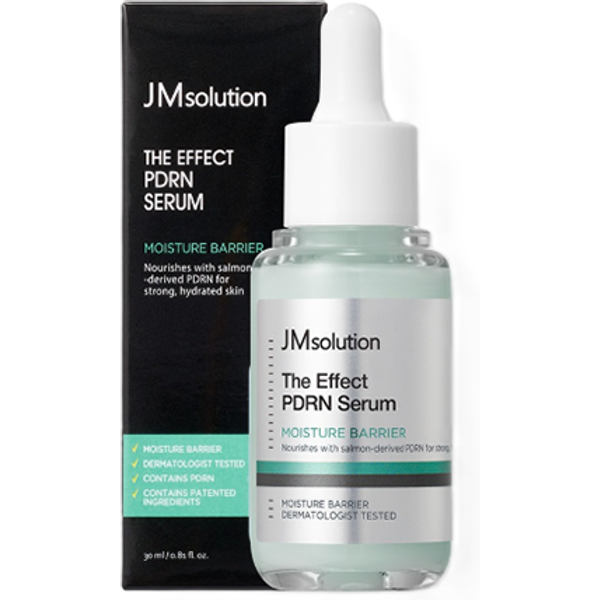 JMsolutionThe Effect PDRN Serum - 30ml$4.79
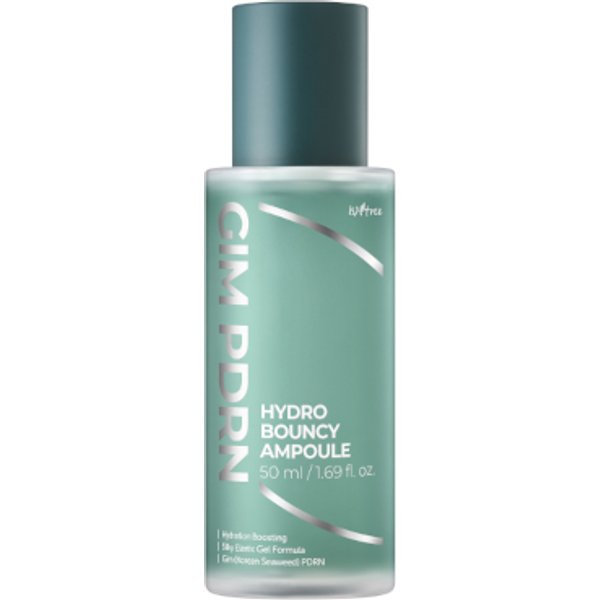 IsntreeGIM PDRN Hydro Bouncy Ampoule - 50ml$7.89Also on YesStyle
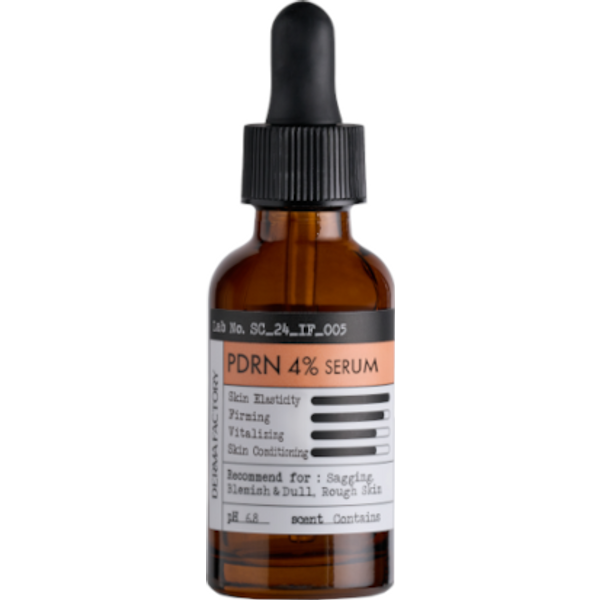 DERMA FACTORYPDRN 4% Ampoule - 30ml$11.39
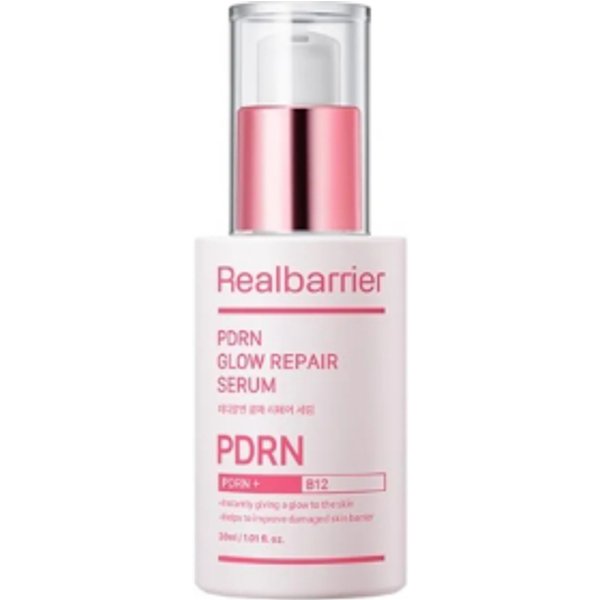 Real BarrierPDRN Glow Repair Serum - 30ml$11.64Also on Stylevana
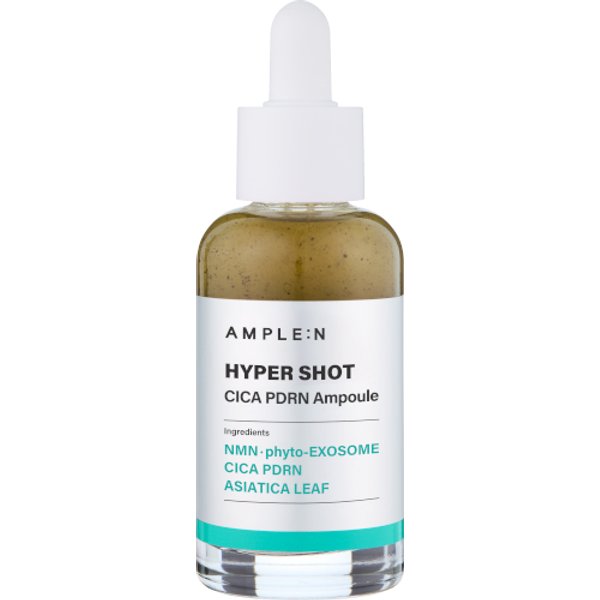 AMPLE:NHyper Shot Cica PDRN Ampoule - 50ml$11.64Also on Stylevana
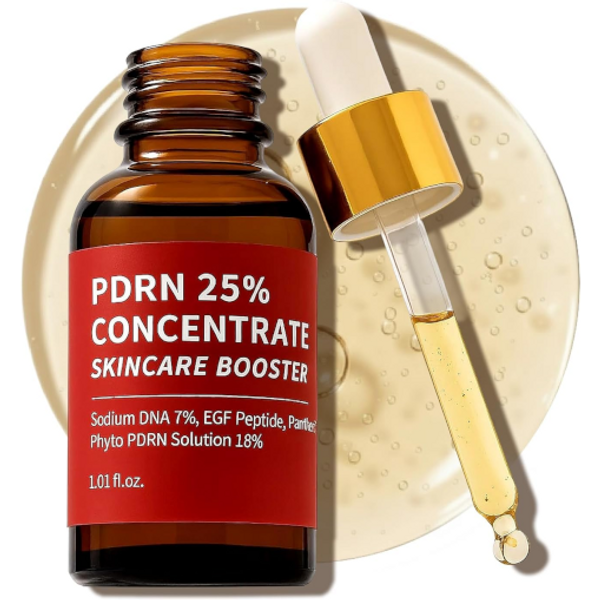 CELDYQUEPDRN 25% Concentrate Skincare Booster - 30ml$12.49
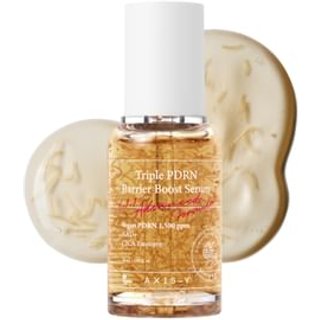 AXIS-YTriple PDRN Barrier Boost Serum 30ml$13.00
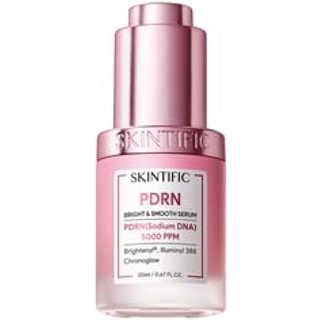 SKINTIFICRose PDRN Bright & Smooth Serum 20ml$13.41
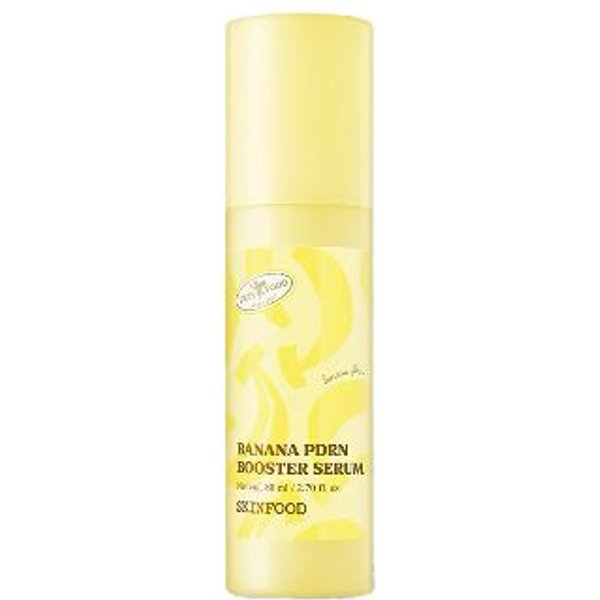 SKINFOODBanana PDRN Booster Serum - 80ml$13.91Also on Stylevana
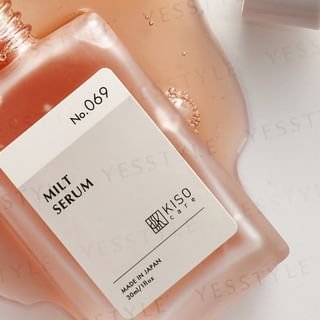 KisocareMilt Serum PDRN 30ml$14.40
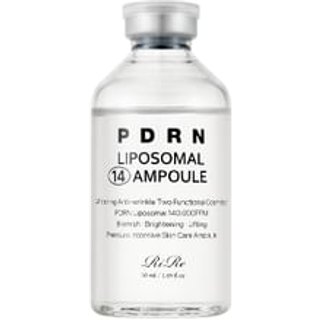 RiRePDRN Liposomal 14 Ampoule 50ml$14.82
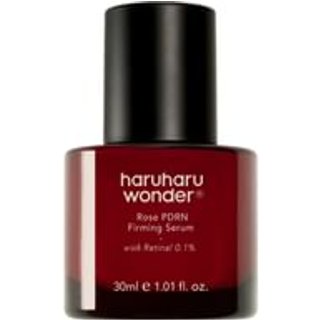 haruharu wonderRose PDRN Firming Serum 30ml$15.40
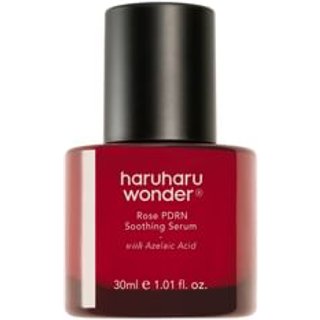 haruharu wonderRose PDRN Soothing Serum 30ml$15.40
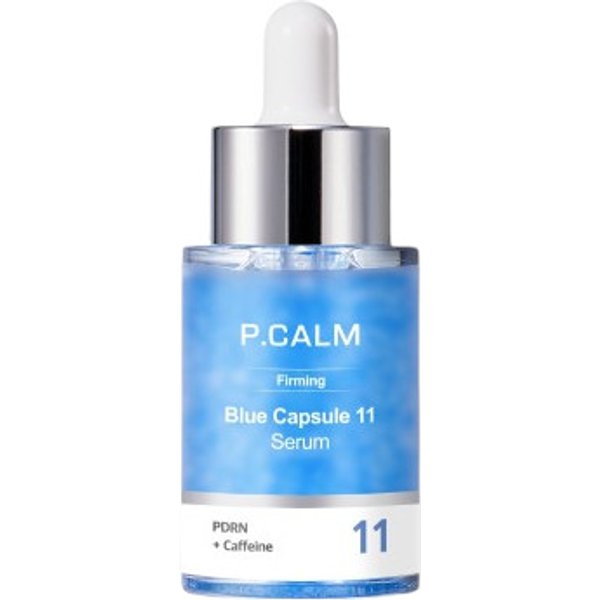 P.CALMPDRN Caffeine Blue Capsule 11 Serum - 30ml$16.00
 CUSKINPink Matcha PDRN Serum 30ml$16.70
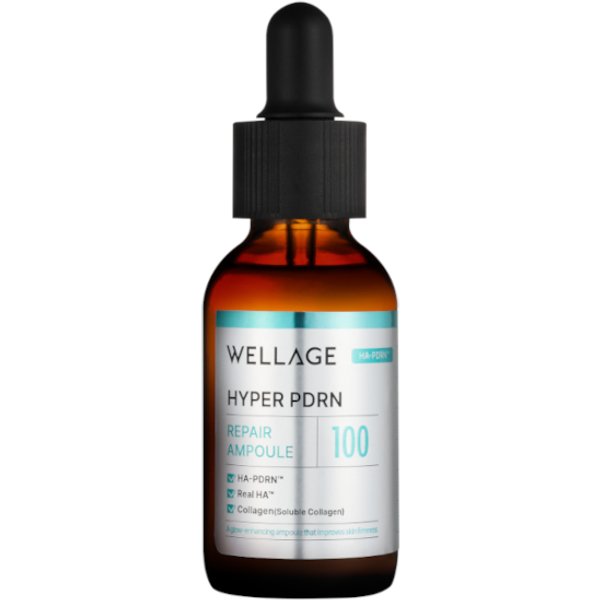 WellageHyper PDRN Repair Ampoule - 30ml$17.60Also on YesStyle
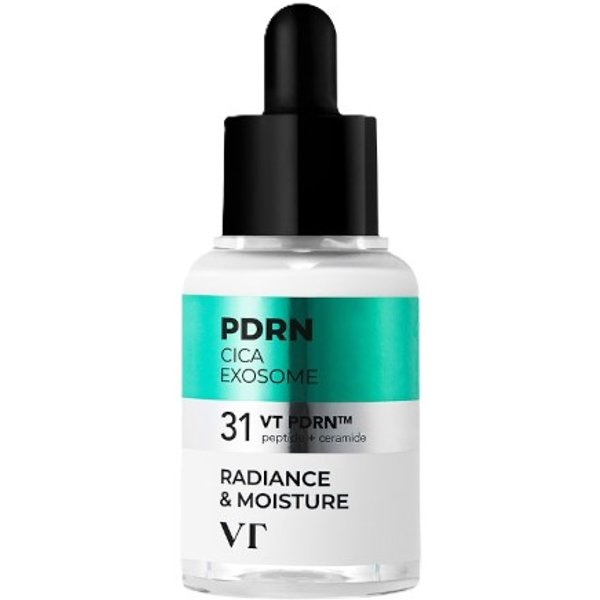 VTR5 Firming Ampoule (PDRN) - 30ml$18.00Also on YesStyle
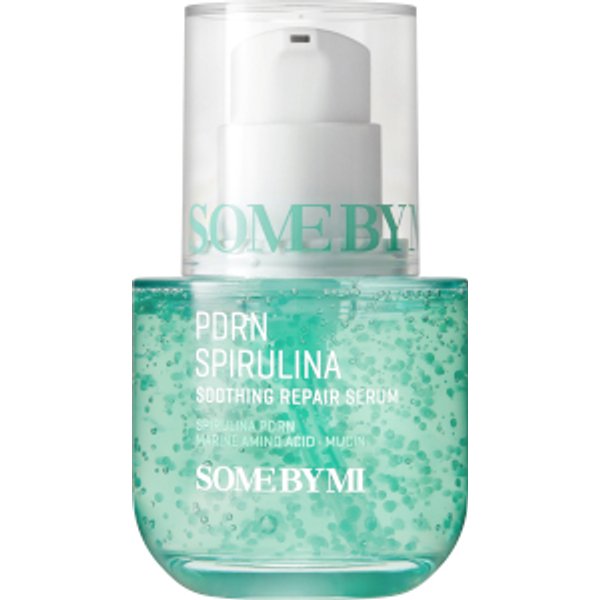 SOME BY MIPDRN Spirulina Soothing Repair Serum - 50ml$18.70Also on Stylevana
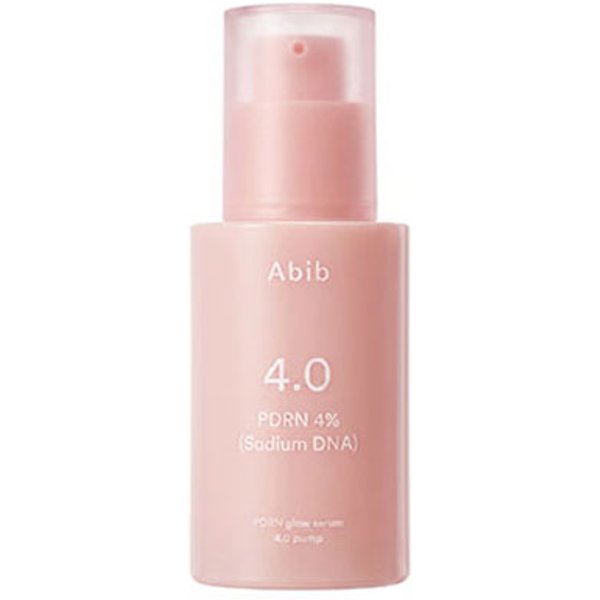 AbibPDRN Glow Serum 4.0 Pump - 30ml$19.60Also on YesStyle
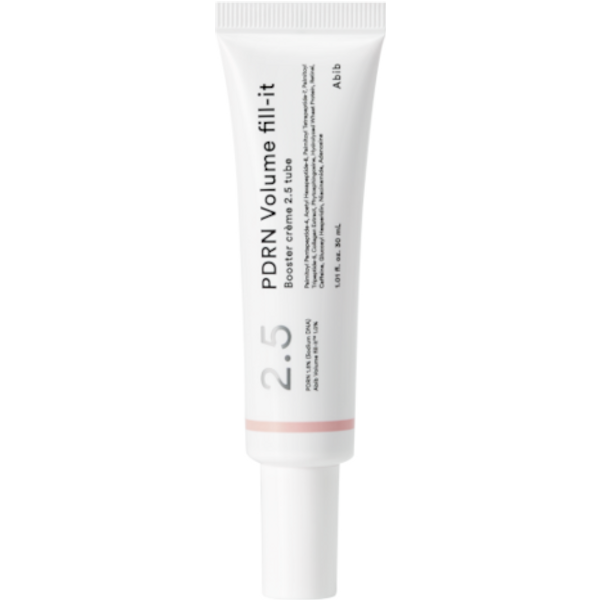 AbibPDRN Volume Fill-It Booster 2.5 Tube - 30ml$19.60Also on YesStyle
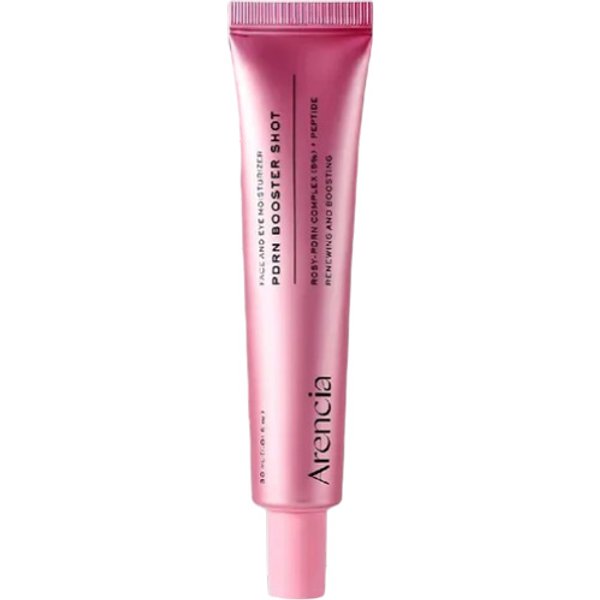 ArenciaPDRN Booster Shot - 30ml$20.00
 Secret KeyPDRN Hyaluron Serum 30ml$20.25
 VTPDRN Hyaluronic Mint Micro Bubble Serum 70ml$20.98
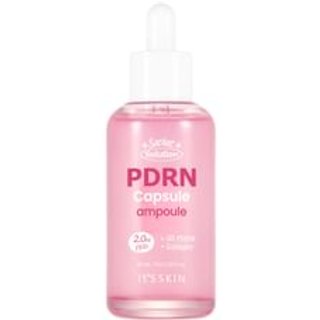 It's SkinSecret Solution PDRN Capsule Ampoule 60ml$21.00
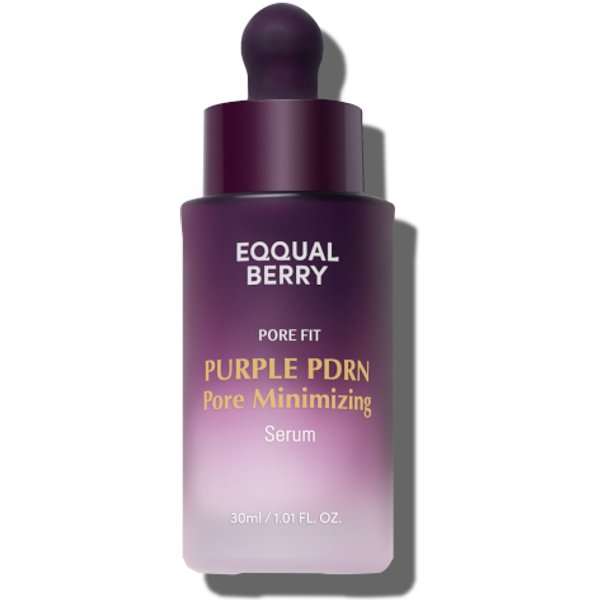 EQQUALBERRYPurple PDRN Pore Minimizing Serum - 30ml$21.59Also on YesStyle
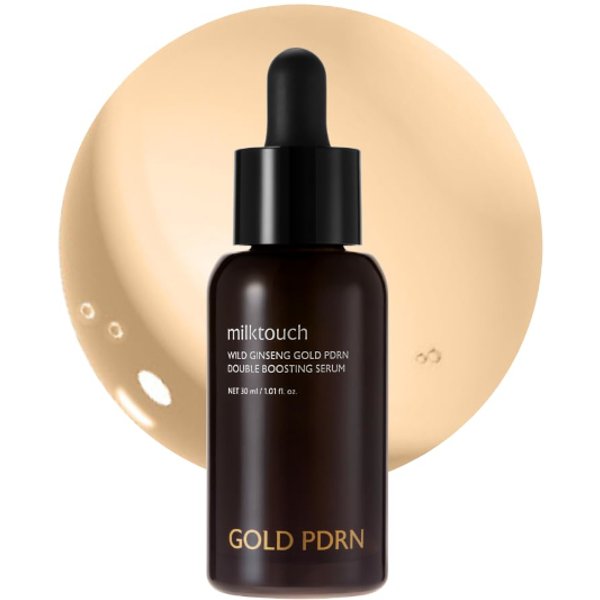 Milk TouchWild Ginseng Gold PDRN Double Boosting Serum - 30ml$21.60
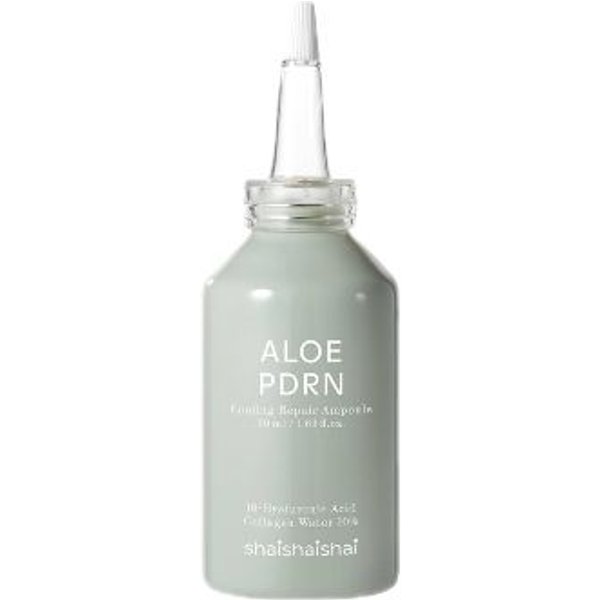 ShaishaishaiALOE PDRN Cooling Repair Ampoule - 50ml$22.80Also on Stylevana
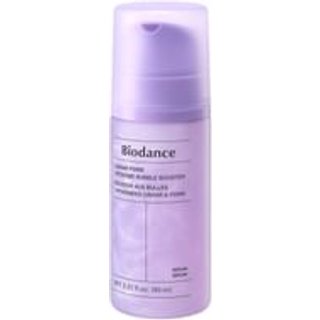 BiodanceCaviar PDRN Liposome Bubble Booster 95ml$23.00
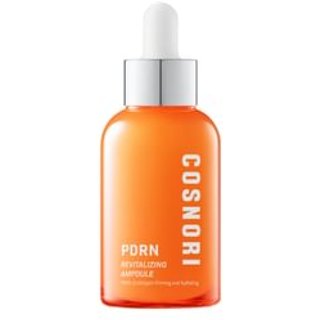 COSNORIPDRN Revitalizing Ampoule 50ml$23.00
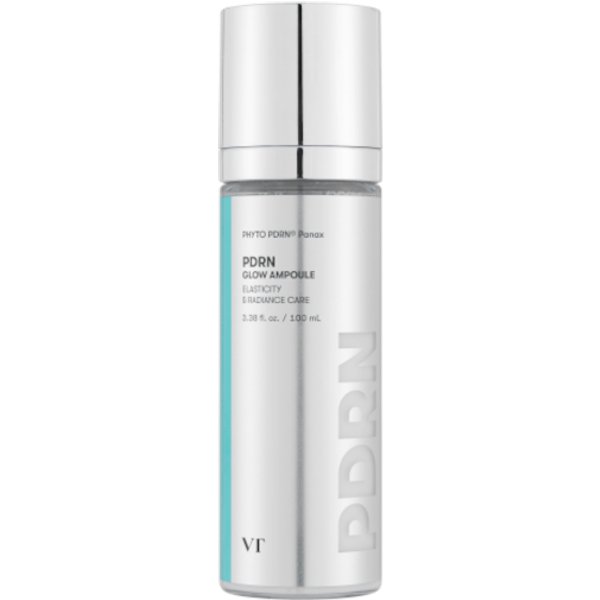 VTPDRN Glow Ampoule - 100ml$23.04Also on YesStyle
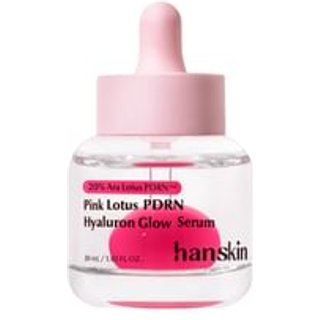 HanskinPink Lotus PDRN Hyaluron Glow Serum 30ml$23.40
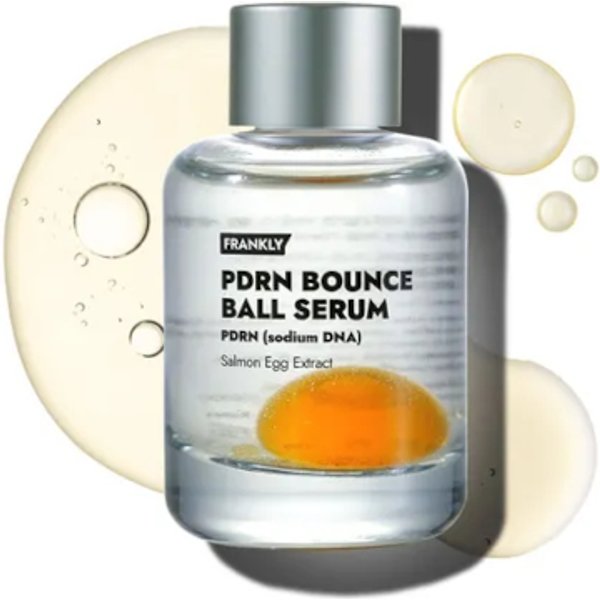 FRANKLYPDRN Bounce Ball Serum - 30ml$23.72Also on YesStyle
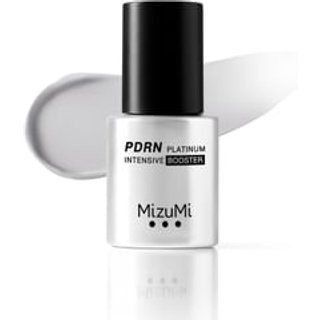 MizuMiPDRN Platinum Intensive Booster 30ml$24.22
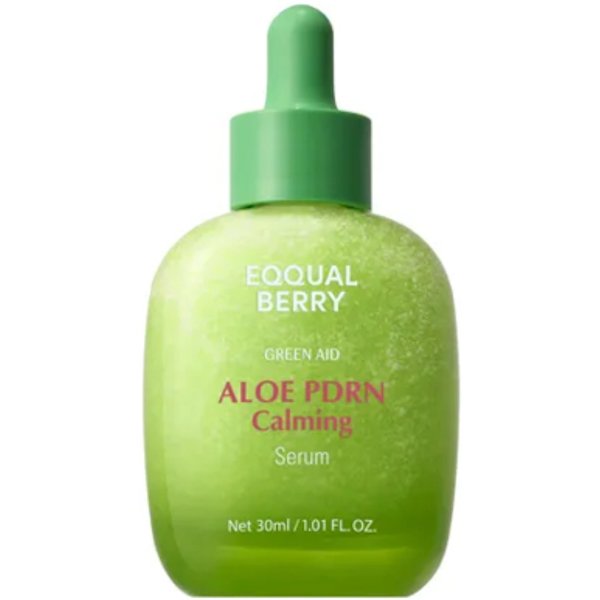 EQQUALBERRYAloe PDRN Calming Serum - 30ml$24.99Also on YesStyle
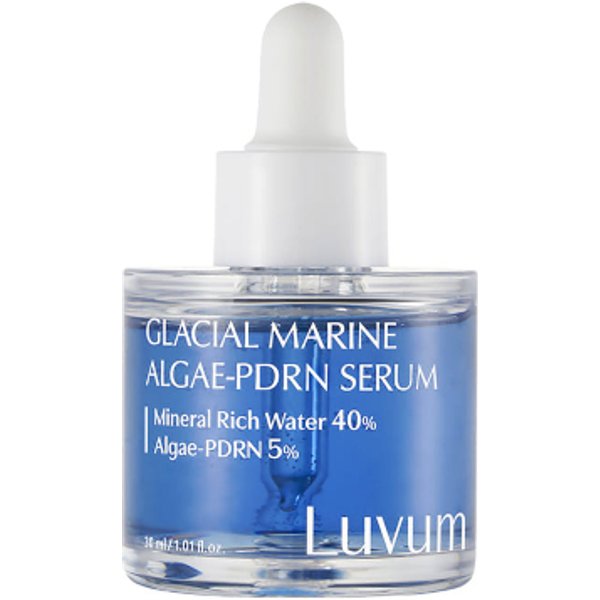 LUVUMGlacial Marine Algae-PDRN Serum - 30ml$26.59
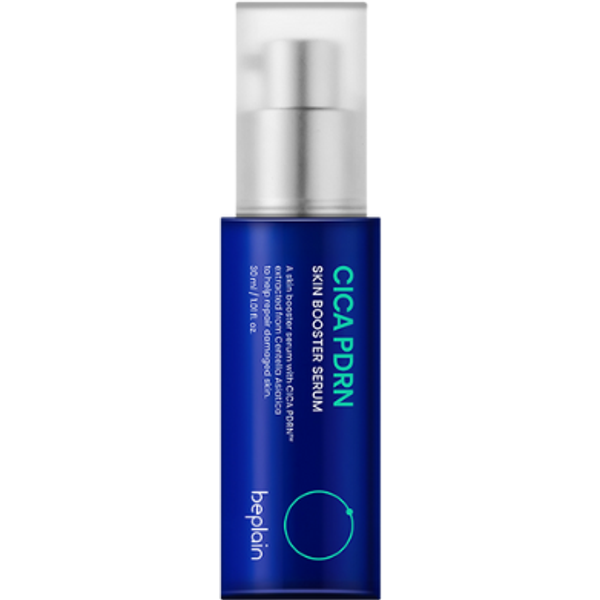 beplainCICA PDRN Skin Booster Serum - 30ml$27.00
 FULLYRice PDRN Glow Boosting Serum 50ml$27.00
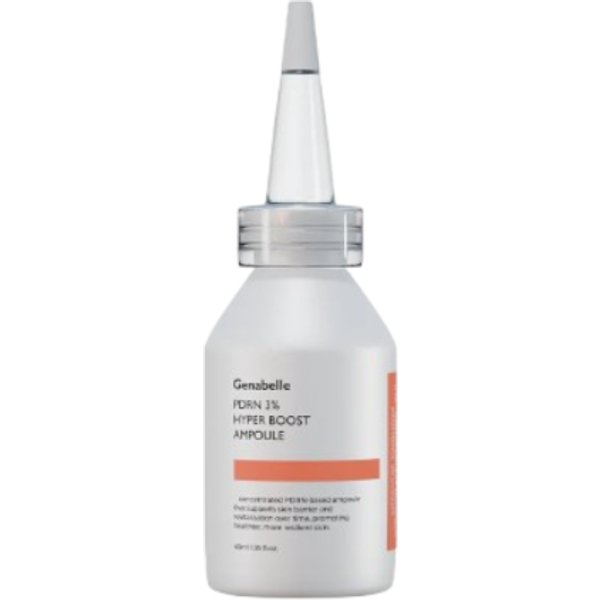 GenabellePDRN 3% Hyper Boost Ampoule - 40ml$29.70Also on Stylevana
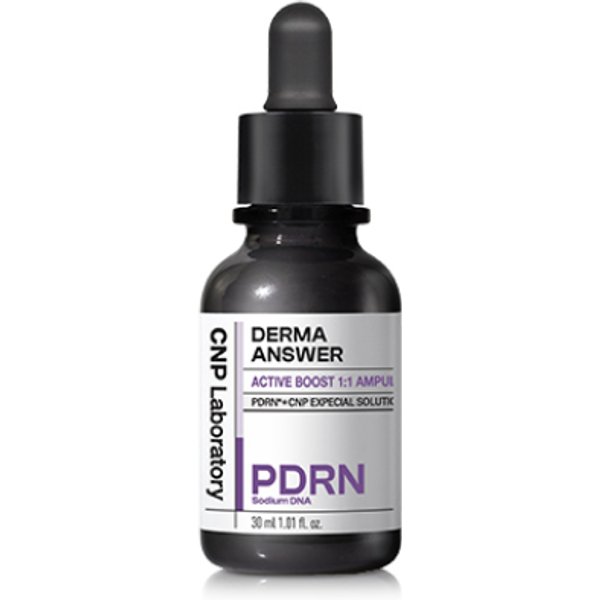 CNP LABORATORYDerma+ Answer Active Boost 1:1 PDRN Ampule - 30ml$30.60Also on YesStyle
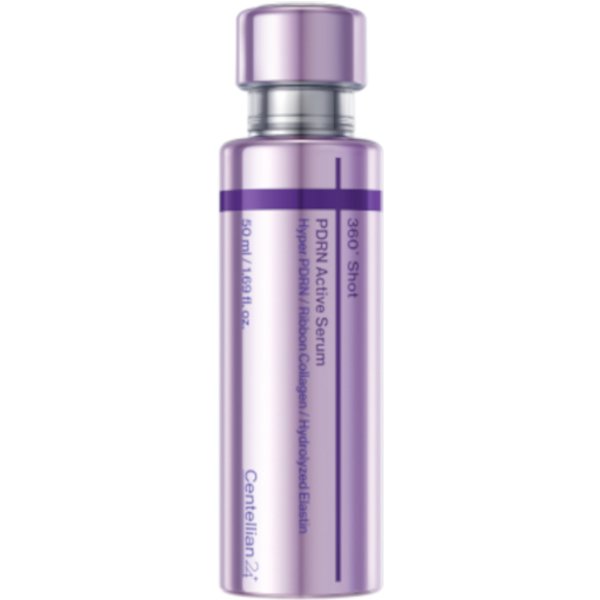 CENTELLIAN 24360º Shot PDRN Active Serum V2 - 50ml$32.30Also on Stylevana
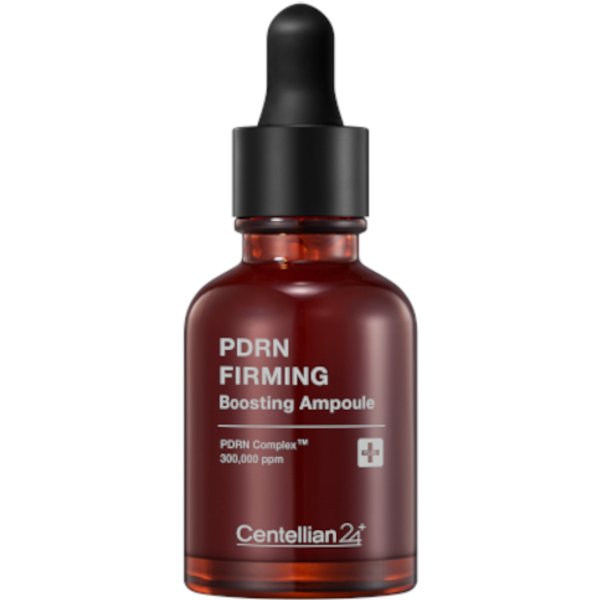 CENTELLIAN 24PDRN Firming Boosting Ampoule - 30ml$32.40
 SWANICOCOPDRN Hydrating Repair Ampoule 2025 Version - 30ml$52.67
Already have one? Check how it fits your skin with Pick.
Common questions about PDRN#
What is PDRN?
- A DNA fragment purified from salmon or trout, used in leave-on serums to help skin look firmer and smoother — most of all around the eyes.
What else is PDRN called?
- On a label you may see Polydeoxyribonucleotide, Sodium DNA, Sodium DNA/RNA, Hydrolyzed DNA, Hydrolyzed Sodium DNA, Sodium Stearoyl DNA, Salmon DNA and c-PDRN.
When should you apply PDRN?
- Morning or evening.
How often can you use PDRN?
- Daily.
Where do you apply PDRN?
- All over the face. Keep it away from your eyes and lips.
Can you use PDRN around the eyes?
- Yes. PDRN goes all over the face, the skin around the eyes included — keep it out of your eyes and off your lips.
Does PDRN make skin more sensitive to the sun?
- PDRN isn't one of the actives we flag for extra sun care, but that's not a promise about your skin. Wear sunscreen every morning regardless.
What should you not use with PDRN?
- Nothing flagged. None of the ingredients this wiki covers needs to be kept apart from PDRN — check the label of anything not covered here.
Who should avoid PDRN?
- Go slowly with Maternity & Nursing.
Is there a cosmetic limit for PDRN?
- No. No cosmetic regulator in the United States, Canada, the European Union or Great Britain sets a maximum strength for it. That is a limit on the rules, not a signal to use more.
Related ingredients#
How we check this#
Everything on this page traces to the sources listed below — regulators' own publications and published studies. Where the evidence does not answer a question, it is left unanswered.
Some sources below are medical studies. This ingredient has been studied in conditions a doctor treats, and the record cited here includes findings that did not favor it. We use those studies for their safety and handling detail only. A cosmetic product is not a medicine and is not intended to treat, cure or prevent any condition.
Some sources below are the official product information for prescription medicines, cited for how they interact with this ingredient. We use them for their safety and handling detail only. A cosmetic product is not one of those medicines and is not intended to treat any condition.
Our review is AI-assisted and is not a named expert's opinion. Last reviewed September 1, 2026.
Think something here is out of date or wrong? Email us at wiki@skinintelligence.ai with your reasoning and where you read it. We read what people send, and we update the page when the sources support it.
Regulators and official bodies · 11
- S23European Medicines Agency. Defitelio (defibrotide sodium) — Summary of Product Characteristics, §§4.3–4.6, 5.1. Route: intravenous; porcine-derived; ATC B01AX01 — context only, never carried to the topical route..
- S24Commission Decision (EU) 2019/701 establishing a glossary of common ingredient names for use in the labelling of cosmetic products (Art. 33, Reg. (EC) No 1223/2009). Entries: SODIUM DNA (23113), SODIUM DNA/RNA (23114), HYDROLYZED SODIUM DNA (11360).
- S25Regulation (EC) No 1223/2009 of the European Parliament and of the Council on cosmetic products, Annexes II–VI. Searched: no DNA/nucleic-acid/nucleotide entry.
- S26Regulation (EC) No 1223/2009 as retained in UK law, Annex II and Annex III (legislation.gov.uk). Searched: no DNA/nucleic-acid/nucleotide entry.
- S27Health Canada. Cosmetic Ingredient Hotlist: prohibited and restricted ingredients. Searched: no DNA/nucleic-acid/nucleotide entry.
- S2821 CFR Part 700 Subpart B — Requirements for specific cosmetic products (prohibited/restricted cosmetic ingredients), eCFR. Searched: no DNA/nucleic-acid/nucleotide entry.
- S31Regulation (EC) No 1223/2009 of the European Parliament and of the Council of 30 November 2009 on cosmetic products, consolidated text in force 01.09.2025 (Annexes I–VI).
- S32Health Canada. Cosmetic Ingredient Hotlist: prohibited and restricted ingredients (capture 2026-09-01).
- S3321 CFR Part 700 (Subparts A–B), General — Cosmetics, eCFR current.
- S34Regulation (EC) No 1223/2009 as retained in GB law, Annexes I–V (legislation.gov.uk) ….
- S35European Commission, CosIng ingredient record: SODIUM DNA/RNA (id 94968) — function SKIN CONDITIONING; no Cosmetics Regulation provisions; no other restrictions; no SCCS opinions.
Studies and references · 32
- S1Ye R, Wang Q, Du L, Li L, Hu F. Topical medium-length PDRN enhances dermal extracellular matrix repair in photodamaged skin via PI3K–Akt/TGF-β–regulated pathways. PLoS One, 2026. · PMID 42430369 · PMC13353946 · doi:10.1371/journal.pone.0350905.
- S2Marques C, Porcello A, Cerrano M, Hadjab F, Chemali M, Lourenço K, Hadjab B, Raffoul W, Applegate LA, Laurent AE. From Polydeoxyribonucleotides (PDRNs) to Polynucleotides (PNs). Biomolecules, 2025. · PMID 39858543 · PMC11764130 · doi:10.3390/biom15010148.
- S3Kim ST. Comparison of Polynucleotide and Polydeoxyribonucleotide in Dermatology: Molecular Mechanisms and Clinical Perspectives. Pharmaceutics, 2025. · PMID 40871045 · PMC12388916 · doi:10.3390/pharmaceutics17081024.
- S4Flores Rodríguez JC, Toledo Avelar LE, Yi K, Merino Arellano R, Porras Zamora BM, Martínez LV. Polydeoxyribonucleotide (PDRN) in Post-procedure Recovery in Aesthetic Medicine: A Narrative Review. Cureus, 2026. · PMID 42299173 · PMC13264829 · doi:10.7759/cureus.108886.
- S5Alhussain AM, Turki M Albusayys S, Alfhadi MA, Bu Mozah SA, AlShammari SSS, Alanazi HAM, Adil Alqazanli S, Nouruldeen Alabdullah A, M ALrashidi N, Almazrou AA, Alshehri AF. Polynucleotides and Polydeoxyribonucleotides for Skin Rejuvenation, Postoperative Scar Prevention, and Wound Healing: A Systematic Review of Randomized Clinical Trials. Cureus, 2026. Carries the Valdatta 2004 and Yogya 2022 trial data quoted above. · PMID 42572627 · PMC13453133 · doi:10.7759/cureus.112403.
- S6Noh TK, Chung BY, Kim SY, Lee MH, Kim MJ, Youn CS, Lee MW, Chang SE. Novel Anti-Melanogenesis Properties of Polydeoxyribonucleotide, a Popular Wound Healing Booster. Int J Mol Sci 2016;17(9). PMID 27598132 · PMC5037727. Cell culture + intradermal injection in 6 patients.
- S7Kim HM, Byun KA, Oh S, Yang JY, Park HJ, Chung MS, Son KH, Byun K. A Mixture of Topical Forms of Polydeoxyribonucleotide, Vitamin C, and Niacinamide Attenuated Skin Pigmentation and Increased Skin Elasticity by Modulating Nuclear Factor Erythroid 2-like 2. Molecules, 2022. · PMID 35209068 · PMC8879610 · doi:10.3390/molecules27041276.
- S8Park HJ, Byun KA, Oh S, Kim HM, Chung MS, Son KH, Byun K. The Combination of Niacinamide, Vitamin C, and PDRN Mitigates Melanogenesis by Modulating Nicotinamide Nucleotide Transhydrogenase. Molecules 2022. PMID 35956878 · PMC9370691. Mouse, microneedle-delivered; same lab as S7.
- S9Bak SU, Jung MS, Kim DJ, Jin HU, Lee SY, An CE. Anti-Aging Efficacy of Low-Molecular-Weight Polydeoxyribonucleotide Derived from Paeonia lactiflora. Int J Mol Sci, 2025. · PMID 41516097 · PMC12785872 · doi:10.3390/ijms27010220.
- S10Kim E, Choi S, Jang J, Shin HY, Ahn K, Kim SJ, Seo HH, Lee JH, Moh SH. Effects of polydeoxyribonucleotide derived from Gynostemma pentaphyllum callus on skin barrier function. Biochem Biophys Res Commun, 2025. · PMID 40527178 · doi:10.1016/j.bbrc.2025.152180.
- S11Lee KS, Lee S, Wang H, Lee G, Kim S, Ryu YH, Chang NH, Kang YW. Analysis of Skin Regeneration and Barrier-Improvement Efficacy of Polydeoxyribonucleotide Isolated from Panax Ginseng (C.A. Mey.) Adventitious Root. Molecules, 2023. · PMID 37959659 · PMC10649580 · doi:10.3390/molecules28217240.
- S12Galeano M, Pallio G, Irrera N, Mannino F, Bitto A, Altavilla D, Vaccaro M, Squadrito G, Arcoraci V, Colonna MR, Lauro R, Squadrito F. Polydeoxyribonucleotide: A Promising Biological Platform to Accelerate Impaired Skin Wound Healing. Pharmaceuticals (Basel), 2021. · PMID 34832885 · PMC8618295 · doi:10.3390/ph14111103.
- S13Chen J, Qiu F, Shi J, Huang W, Zhao C, Han Q. PDRN prevents SIRT1 degradation by attenuating autophagy during skin aging. PLoS One, 2025. · PMID 40343916 · PMC12063799 · doi:10.1371/journal.pone.0321005.
- S14Crisanto de Oliveira RR. Safety and feasibility of the ISO-LPR protocol (isotretinoin, laser, and polydeoxyribonucleotide) in severe nodulocystic acne: a case report. JAAD Case Rep 2026;71:118–122. PMID 42016786 · PMC13092468. n=1, laser-assisted topical.
- S15Rodrigo Crisanto de Oliveira R. One-day rejuvenation: a preliminary case series of a multimodal protocol combining Q-switched 1064 nm laser, botulinum toxin, and laser-assisted delivery of PDRN and retinoids. J Cosmet Laser Ther 2026 (online ahead of print). PMID 42418230. n=5, laser-assisted topical.
- S16Havas F, Krispin S, Cohen M, Attia-Vigneau J. Hyaluronic Acid-like Skin Plumping and Radiance Benefits of a Porphyridium Sulfated Exopolysaccharide- and Natural PDRN-Rich Extract. Mar Drugs 2026;24(3). PMID 41892958 · PMC13028226. Topical human RCT of a whole extract containing 3–10 ppm (mean 5.95 ± 2.49 ppm) DNA fragments — effects not attributable to PDRN.
- S17Kream EJ, Anooshiravani N, Hosking AM, Boen M, Fabi SG. Global Trends and Evidence Evaluation: A Systematic Review of Polynucleotide and Polydeoxyribonucleotide Therapy in Dermatology. Dermatol Surg, 2026 (online ahead of print; the PubMed record carries no abstract, so it is cited for scope only). · PMID 42283510 · doi:10.1097/DSS.0000000000005155.
- S18Rubegni P, De Aloe G, Mazzatenta C, Cattarini L, Fimiani M. Clinical evaluation of the trophic effect of polydeoxyribonucleotide (PDRN) in patients undergoing skin explants. A Pilot Study. Curr Med Res Opin, 2001. Route: intramuscular and subcutaneous — context only. · PMID 11759182.
- S19Nguyen TH, Wang SL, Nguyen VB. Recent advances on polydeoxyribonucleotide extraction and its novel application in cosmeceuticals. Int J Biol Macromol, 2024. · PMID 39486723 · doi:10.1016/j.ijbiomac.2024.137051.
- S20Lim HW, Huang YH, Baek HS, Kim HG, Kim KE, Lim CJ. PDRN-like marker DNA shows skin beneficial properties through its single-stranded form. Biosci Biotechnol Biochem, 2025. · PMID 40328457 · doi:10.1093/bbb/zbaf067.
- S21Oh S, Jeon HD, Rho NK, Son KH, Byun K. Polynucleotide Mixture Attenuates Ultraviolet B-Induced Skin Pigmentation. Int J Mol Sci 2025;26(13). PMID 40650176 · PMC12250556. PN, mouse, intradermal injection.
- S22Artesani MC. Anaphylactic shock to defibrotide. Allergy, 2006. Route: intravenous defibrotide — context only. · PMID 16867061.
- S29Valdatta L, Thione A, Mortarino C, Buoro M, Tuinder S. Evaluation of the efficacy of polydeoxyribonucleotides in the healing process of autologous skin graft donor sites: a pilot study. Curr Med Res Opin 2004;20(3):403–8. PMID 15025849.
- S30Kim HJ, Lee JW, Kim S, Son KH. Plant-Derived Polynucleotides/Polydeoxyribonucleotides in Skin Biomaterials: Delivery Platforms and Bioactivity Attribution. J Funct Biomater 2026. PMID 42506577 · PMC13413087.
- S36AIFA. Riassunto delle Caratteristiche del Prodotto — PLACENTEX (5,625 mg/3 ml and 2,25 mg/3 ml soluzione iniettabile; 0,08% crema; 0,75 mg/3 ml soluzione cutanea; 0,75 mg/ml collirio). Document made available by AIFA 17/11/2020. MAH Mastelli S.r.l., Sanremo. Reproduced by farmaco-info.it — the Tier 1 original at farmaci.agenziafarmaco.gov.it no longer resolves (DNS failure) and the current AIFA portal is client-rendered; cited at Tier 3 for that reason, and corroborated by S37.
- S37AIFA RCP — PLACENTEX 0,75 mg/ml collirio (AIC 004905117; AIFA text 12/01/2023, page updated 18/06/2023), reproduced by Torrinomedica; and PLACENTEX 2,25 mg/3 ml soluzione iniettabile, reproduced by Mediately.
- S38de Oliveira RRC. Letter to the Editor: Use of PDRN and Nd:YAG Q-Switched 1064 nm Laser in the Management of Post-Inflammatory Hyperpigmentation Following Laser Hair Removal Complication. J Cosmet Dermatol 2025. PMID 41307094 · PMC12658718. n=1.
- S39de Oliveira RRC. Letter to the Editor: Use of Polydeoxyribonucleotide, Retinoic Acid, and Laser in the Treatment of Postinflammatory Hyperpigmentation. J Cosmet Dermatol 2025. PMID 40887877 · PMC12399916. n=1.
- S40Ionescu AC, Vezzoli E, Conte V, Procacci P, Garcia-Godoy F, Brambilla E. Effects of Na-DNA mouthwash solutions on oral soft tissues. A bioreactor-based reconstituted human oral epithelium model. Am J Dent 2020;33(5):277–284. PMID 33017532.
- S41He Y, Xu L, Pei X, Dong Y, Yang X. Preparation of Polydeoxyribonucleotide Nanoliposomes and their Applicability to Cosmetic Formulations. Curr Pharm Biotechnol 2025. PMID 39995124.
- S42Bae K, Cho Y, Soo K, Lee J, Park Y, Hyun Y, Kim JH, Yi K. Efficacy of Polynucleotide-Based Therapy in Atopic Dermatitis Management. J Cosmet Dermatol 2026. PMID 41480692. PN, intradermal injection, off-label case series.
- S43Yu M, Lee JY. Polydeoxyribonucleotide improves wound healing of fractional laser resurfacing in rat model. J Cosmet Laser Ther 2017;19(1):43–48. PMID 27762652. Rat, daily injection.