What does Vitamin C Derivatives do?#
Vitamin C derivatives offer antioxidant and brightening benefits in a more stable form than pure vitamin C. They help promote a more even, radiant-looking complexion and provide antioxidant support for skin that looks healthy and radiant despite everyday environmental stress.
Benefits
- Helps promote a brighter, more even-looking skin tone over time
- Provides antioxidant support for a brighter, healthier-looking complexion
- More stable in the bottle than pure vitamin C
- Supports a healthier-looking, more luminous complexion
How it works
Vitamin C derivatives are modified forms of vitamin C that stay fresh in the bottle for longer than pure vitamin C. Because they resist oxidation, they suit a wider range of formulas. They help promote a brighter, more even-looking complexion and provide antioxidant support for skin that looks healthy and radiant despite everyday environmental stress.
How to use Vitamin C Derivatives#
Best time
Unlike the pure form these hold up at either end of the day, so an evening slot works as well as a morning one.
How often
From the start — there is no need to build up, and no reason to space it out.
Where it goes
After cleansing, before moisturizer.
Where to apply
Across the whole face. Products made for the eye area use these forms too.
Sun
Vitamin C derivatives aren’t among the actives we flag for extra sun care. Wear sunscreen every morning anyway — alongside them, never in place of one.
Alongside others
Retinol at night pairs comfortably with vitamin C by day. Niacinamide is fine in the same routine too — the old rule against putting the two together came from the pure form sitting in a single mix, and does not carry over to these.
What to expect
Most people have no settling-in period and no purge. Give it around a month before looking for a change.
If it doesn't suit
If a product stings going on, that is the acidity of the formula rather than the vitamin C itself, and it should settle within a minute or two. If it does not, stop using it.
An itchy rash that spreads is different from a brief sting. That means stop, not push through.
Storing it
These are the stable forms and are not expected to brown. If one turns brown or orange, replace it — it is past its useful life.
Store in a cool, dark place to keep it fresh.
Stop use if an itchy or spreading rash appears, or if irritation persists.
The form you will see it in
Vitamin C brightening serum
- Where it goes
- Before sunscreen
Using Vitamin C Derivatives with other ingredients
Pairs well with Vitamin C Derivatives
Vitamin E
Works well togetherClassic antioxidant pairing that supports a brighter, healthier-looking complexion.
Hyaluronic Acid
Works well togetherHydrates and plumps the skin surface, helping skin look smoother and more radiant alongside vitamin C's brightening benefits.
Retinol
Works well togetherRetinol at night and vitamin C by day — together they support a smoother, more even-looking complexion.
What not to use with Vitamin C Derivatives
Nothing flagged. None of the ingredients this wiki covers needs to be kept apart from Vitamin C Derivatives — check the label of anything not covered here.
Who should avoid Vitamin C Derivatives?#
Six situations change whether Vitamin C Derivatives suits your skin right now. Each one is either a reason to skip it, a reason to go slowly, or nothing to watch for.
- Fragile or Sensitive
- Go slowly
- Recent Facial or Laser
- Go slowly
- Prone to Redness
- Go slowly
- Dry or Itchy Patches
- Go slowly
- Recent Shave or Wax
- Go slowly
- Maternity & Nursing
- No caution
Fragile or Sensitive — Use it less often — or stop — if it feels uncomfortable, and keep it off skin that’s broken, cut or sunburned.
Recent Facial or Laser — Wait until your skin feels settled before reintroducing — typically 7 to 14 days after a facial or laser appointment.
Prone to Redness — Try it on a small area first, and use it less often — or stop — if you notice stinging or extra redness.
Dry or Itchy Patches — Keep the rest of your routine well moisturized, and use it less often — or stop — if you notice tightness or itching.
Recent Shave or Wax — Avoid for 24 hours after waxing, threading, or dermaplaning.
Cosmetic strength limits for Vitamin C Derivatives where you live#
| Region | Most a cosmetic may contain | |
|---|---|---|
 United States United States | No explicit cap | |
The FDA restricts a short list of ingredients and sets no general strength ceiling on the rest. A figure marked "guidance, not law" is the Cosmetic Ingredient Review panel's recommendation. 21 CFR part 700, subpart B — Requirements for Specific Cosmetic Products (FDA) | ||
 Canada Canada | No explicit cap | |
One list does the work — Health Canada's Hotlist of prohibited and restricted cosmetic ingredients. | ||
 European Union European Union | No explicit cap | |
The Cosmetics Regulation's annexes, consolidated to 1 May 2026. A figure marked "guidance, not law" comes from the EU's cosmetic safety committee rather than from the annexes. | ||
 Great Britain Great Britain | No explicit cap | |
Great Britain kept the annexes as its own law and updates them only when it chooses; Northern Ireland follows the live EU Regulation, which is why some rows read differently for each. Regulation (EC) No 1223/2009 as it applies in Great Britain · Regulation (EC) No 1223/2009, Annexes II–VI | ||
 India India | No explicit cap | |
India writes its own standard, aligned to the European rules as they stood in 2012. Mandatory since 9 February 2026. IS 4707 (Part 2):2025 — restricted and prohibited cosmetic ingredients · IS 4707 (Part 3):2025 — preservatives · Cosmetics Rules, 2020, Ninth Schedule | ||
 Brazil Brazil | No explicit cap | |
ANVISA rewrote its restricted list in June 2026, and a companion act amended the prohibited list at the same time. RDC 1.029/2026 — restricted ingredients · RDC 529/2021 — prohibited ingredients, as amended by RDC 1.030/2026 · RDC 528/2021 — preservatives | ||
 Japan Japan | No explicit cap | |
Japan's cosmetics standard keeps drug ingredients out of cosmetics, so most of its figures sit in the ministry's list of the ones a cosmetic may still contain. Cosmetics Standards (化粧品基準), Ministry of Health, Labour and Welfare · Cosmetics Standards — the ministry's own English translation · Drug ingredients permitted in cosmetics — 2007 notification | ||
 South Korea South Korea | No explicit cap | |
One MFDS regulation carries both the prohibited list and the restricted list, in force 18 March 2026. Sunscreens and a few other categories are cleared product by product instead. Regulation on Safety Standards for Cosmetics (MFDS Notification 2026-19) · Regulation on the Review of Functional Cosmetics (MFDS Notification 2025-88) | ||
 Kenya Kenya | No explicit cap | |
Kenya's standard applies the EU annexes as they stand rather than copying them, so its ingredient limits are the EU's — including the 2024 additions. A figure marked "guidance, not law" sits outside the annexes and does not carry over. KS EAS 377-1, -2 and -3:2022 — cosmetics safety requirements, published by KEBS · Regulation (EC) No 1223/2009, Annexes II–VI | ||
 Namibia Namibia | No explicit cap | |
Namibia sets no ingredient limits at all. Its cosmetic rule is a single line requiring a product to be free of any harmful ingredient. Foodstuffs, Cosmetics and Disinfectants Ordinance 18 of 1979, and the regulations under it | ||
 Ukraine Ukraine | No explicit cap | |
Ukraine's own transposition of the EU annexes, as they stood before the 2024 additions, fully in force since 3 August 2026. A further revision is due on 1 February 2027. Technical Regulation on cosmetic products — Cabinet Resolution No. 65 of 20 January 2021 | ||
 Georgia Georgia | No explicit cap | |
Georgia has no cosmetics rulebook — its register of technical regulations carries no cosmetics entry — so only the general product-safety duty applies. | ||
 Australia Australia | No explicit cap | |
Australia writes no cosmetic ingredient list. A figure here is the point at which a substance becomes a medicine or a scheduled substance carrying Caution labeling, so its numbers sit well above other markets'. Poisons Standard — June 2026 · Therapeutic Goods (Excluded Goods) Determination 2018 | ||
 United Arab Emirates United Arab Emirates | No explicit cap | |
The Gulf standard points at the EU annexes as amended, so its ingredient limits are the EU's. A figure marked "guidance, not law" sits outside the annexes and does not carry over. GSO 1943:2024 — Cosmetic products: safety requirements (Gulf technical regulation) · Regulation (EC) No 1223/2009, Annexes II–VI | ||
 Kuwait Kuwait | No explicit cap | |
The Gulf standard points at the EU annexes as amended, so its ingredient limits are the EU's. A figure marked "guidance, not law" sits outside the annexes and does not carry over. GSO 1943:2024 — Cosmetic products: safety requirements (Gulf technical regulation) · Regulation (EC) No 1223/2009, Annexes II–VI | ||
 Hong Kong Hong Kong | No explicit cap | |
Hong Kong writes no cosmetics rulebook. Its Poisons List (Cap. 138A, Schedule 10) decides which substances may be sold only as medicines, and general safety is judged case by case against whichever overseas standard the enforcer considers reasonable. Pharmacy and Poisons Regulations (Cap. 138A), Schedule 10 — the poisons list · Pharmacy and Poisons Board — Guidance Notes on classifying pharmaceutical products, April 2026 | ||
 Singapore Singapore | No explicit cap | |
Singapore writes the ASEAN annexes into its own schedule, and its regulator tells companies to check the current ASEAN release as well — which is why a figure here can read "guidance, not law". Health Products (Cosmetic Products — ASEAN Cosmetic Directive) Regulations 2007, Third Schedule · ASEAN Cosmetic Directive annexes — release 2026-1, 22 June 2026 | ||
 Brunei Brunei | No explicit cap | |
Brunei carries the 2007 ASEAN annexes in its own schedule and has not updated them since, so it reads differently from Singapore on several ingredients. Medicines (Cosmetic Products) Regulations (Cap. 285 Rg 1), Schedule 1 — revised edition 2024 | ||
 Jordan Jordan | No explicit cap | |
Jordan's cosmetic rules defer to "the approved references" and name none of them, so there is no Jordanian figure to read. The only number in the instrument governs the ingredient list on the pack. JFDA instructions on cosmetics and pharmaceutical cosmetics, 2026 | ||
 Trinidad & Tobago Trinidad & Tobago | No explicit cap | |
Trinidad and Tobago has had the power to set cosmetic standards since 1960 and has never used it. The regulations made under the Act cover food and drugs, with no cosmetics part; what binds is the Act's general rule against selling a cosmetic that may injure the user. Food and Drugs Act, Chap. 30:01 · Food and Drugs Regulations | ||
No cosmetic regulator in the 20 markets above sets a maximum strength for vitamin c derivatives. That is the state of the rules, not a signal to use more: how much goes into a product is the formulator's decision.
Open a market to see the rulebook its figure comes from. Those notes describe each market's own rules as we read them, current to August 24, 2026; the linked documents are the authority, and nothing here is legal advice.
Sample products with Vitamin C Derivatives#
A few well-known products, not a full list — product names are each brand's own. We don't sell them — the shop prices them in US dollars and ships from Hong Kong, so delivery and duties come on top. It may not ship everywhere.
We may earn a small commission when you buy through these links.
Serums · 7
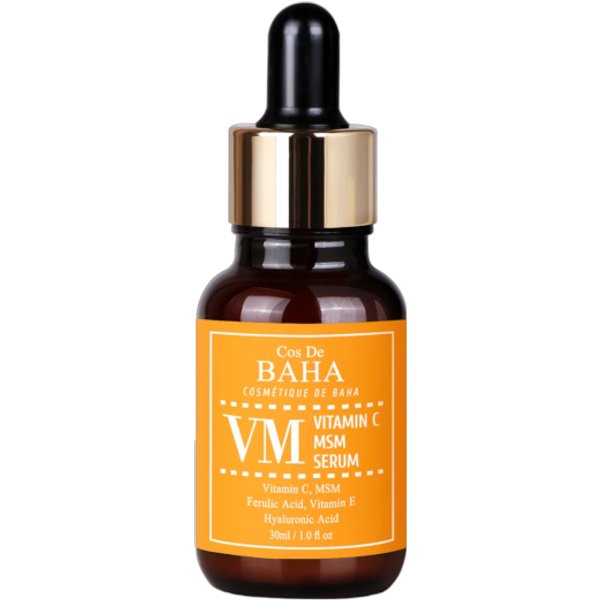 Cos De BAHAVitamin C MSM Serum (VM) - 30ml$9.39
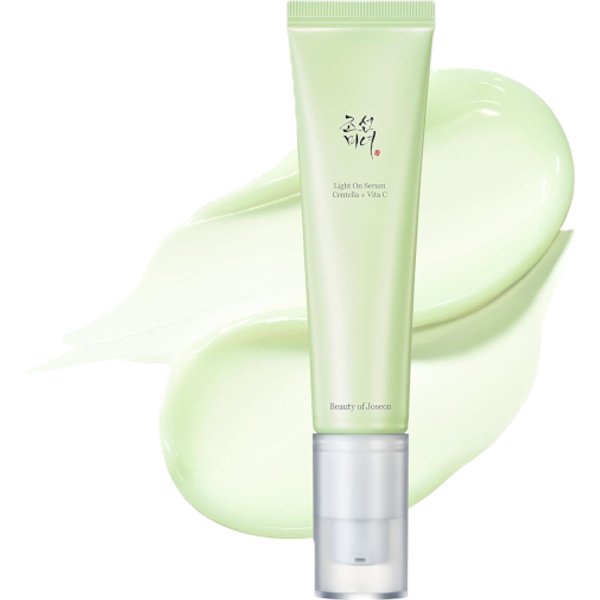 BEAUTY OF JOSEONLight On Serum : Centella + Vita C - 30ml$13.60Also on YesStyle
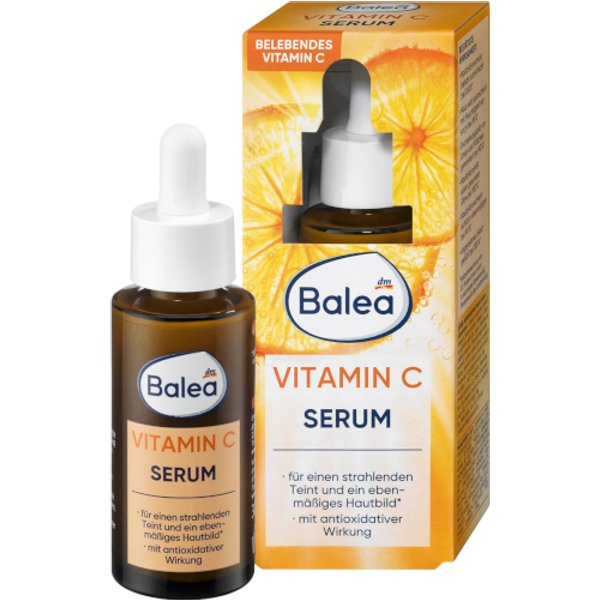 BaleaVitamin C Serum - 30ml$14.04
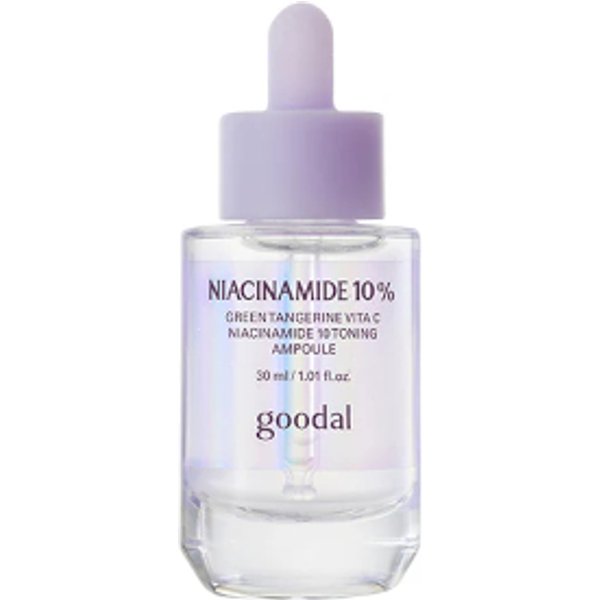 GoodalGreen Tangerine Vita C Niacinamide 10 Toning Ampoule - 30ml$18.60Also on Stylevana
 innisfreeVitamin C Green Tea Enzyme Brightening Serum - 30ml$20.99
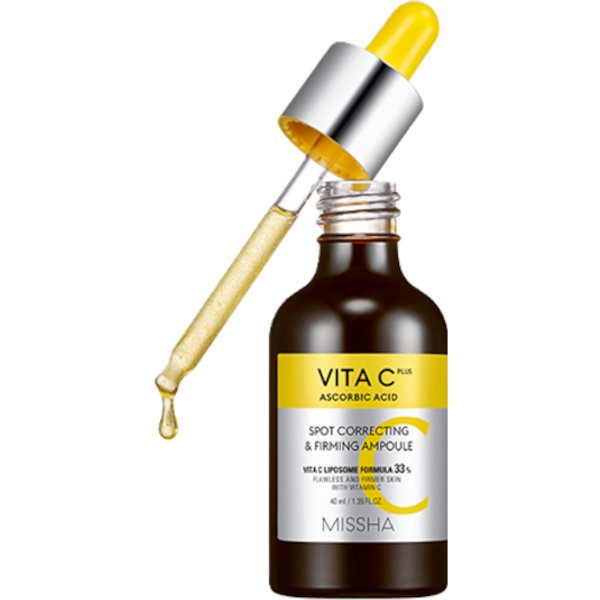 MISSHAVita C Plus Spot Correcting & Firming Ampoule - 30ml$23.60Also on YesStyle
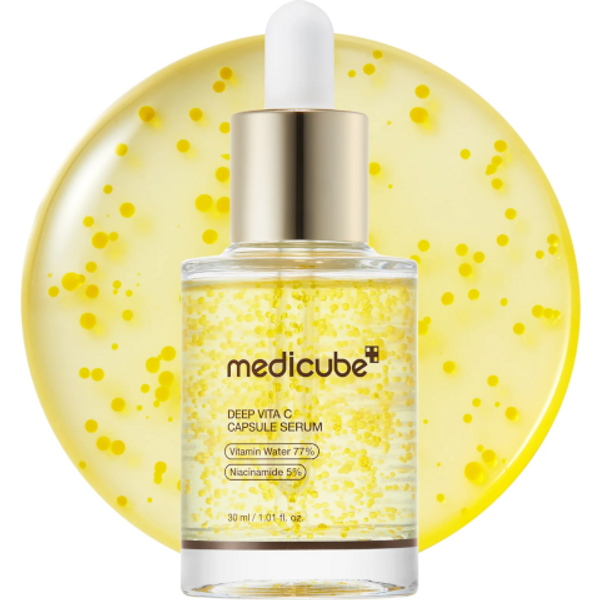 medicubeDeep Vita C Capsule Serum - 30ml$24.90Also on YesStyle
Already have one? Check how it fits your skin with Pick.
Common questions about Vitamin C Derivatives#
What is Vitamin C Derivatives?
- Gentler, more stable forms of vitamin C that help skin look brighter and tone more even, with antioxidant support against everyday environmental stress.
What else is Vitamin C Derivatives called?
- On a label you may see Vitamin C, Vit C, MAP, SAP, Ethyl ascorbic acid, THD ascorbate, Ascorbyl glucoside and Magnesium ascorbyl phosphate.
When should you apply Vitamin C Derivatives?
- Morning or evening. Unlike the pure form these hold up at either end of the day, so an evening slot works as well as a morning one.
How often can you use Vitamin C Derivatives?
- Daily.
Where do you apply Vitamin C Derivatives?
- All over the face. Keep it away from your eyes and lips.
Can you use Vitamin C Derivatives around the eyes?
- Yes. Vitamin C Derivatives goes all over the face, the skin around the eyes included — keep it out of your eyes and off your lips.
Does Vitamin C Derivatives make skin more sensitive to the sun?
- No. Vitamin C Derivatives is not flagged as increasing sun sensitivity.
What should you not use with Vitamin C Derivatives?
- Nothing flagged. None of the ingredients this wiki covers needs to be kept apart from Vitamin C Derivatives — check the label of anything not covered here.
Who should avoid Vitamin C Derivatives?
- Go slowly with Fragile or Sensitive, Recent Facial or Laser, Prone to Redness, Dry or Itchy Patches and Recent Shave or Wax.
Is there a cosmetic limit for Vitamin C Derivatives?
- No. No cosmetic regulator in the United States, Canada, the European Union or Great Britain sets a maximum strength for it. That is a limit on the rules, not a signal to use more.
Related ingredients#
How we check this#
Everything on this page traces to the sources listed below — regulators' own publications and published studies. Where the evidence does not answer a question, it is left unanswered.
Some sources below are the official product information for prescription medicines, cited for how they interact with this ingredient. We use them for their safety and handling detail only. A cosmetic product is not one of those medicines and is not intended to treat any condition.
Our review is AI-assisted and is not a named expert's opinion. Last reviewed August 8, 2026.
Think something here is out of date or wrong? Email us at wiki@skinintelligence.ai with your reasoning and where you read it. We read what people send, and we update the page when the sources support it.
Regulators and official bodies · 9
- S1Cosmetic Ingredient Review. Safety Assessment of Ascorbic Acid and Ascorbates as Used in Cosmetics — Re-Review for Panel Consideration. Released 6 September 2024; prepared by Preethi Raj, M.Sc. Includes the 2005 final report in full.. Covers MAP and SAP only..
- S2Cosmetic Ingredient Review. Safety Assessment of Ascorbyl Glucoside and Sodium Ascorbyl Glucoside as Used in Cosmetics..
- S3Regulation (EC) No 1223/2009 of the European Parliament and of the Council on cosmetic products, consolidated text of 1 May 2026, CELEX 02009R1223 — Annexes II and III.
- S4Regulation (EC) No 1223/2009 as retained in Great Britain, Annexes II and III, legislation.gov.uk.
- S5Health Canada. Cosmetic Ingredient Hotlist — List of Prohibited and Restricted Cosmetic Ingredients..
- S6US Food and Drug Administration. Prohibited & Restricted Ingredients in Cosmetics..
- S7Roaccutane 10 mg soft capsules — Summary of Product Characteristics, §4.5. emc product 100633.
- S8Differin Gel — Summary of Product Characteristics, §4.5. emc product 921.
- S9Aklief 50 microgram/g cream — Summary of Product Characteristics, §4.4 and §4.5. emc product 13881.
Studies and references · 40
- S10Elmore AR. Final report of the safety assessment of L-Ascorbic Acid, Calcium Ascorbate, Magnesium Ascorbate, Magnesium Ascorbyl Phosphate, Sodium Ascorbate, and Sodium Ascorbyl Phosphate as used in cosmetics. Int J Toxicol 2005;24(Suppl 2):51-111. PMID 16154915.
- S11Kameyama K, Sakai C, Kondoh S, Yonemoto K, Nishiyama S, Tagawa M, Murata T, Ohnuma T, Quigley J, Dorsky A, Bucks D, Blanock K. Inhibitory effect of magnesium L-ascorbyl-2-phosphate (VC-PMG) on melanogenesis in vitro and in vivo. J Am Acad Dermatol 1996;34(1):29-33. PMID 8543691.
- S12Woolery-Lloyd H, Baumann L, Ikeno H. Sodium L-ascorbyl-2-phosphate 5% lotion for the treatment of acne vulgaris: a randomized, double-blind, controlled trial. J Cosmet Dermatol 2010;9(1):22-7. PMID 20367669.
- S13Klock J, Ikeno H, Ohmori K, Nishikawa T, Vollhardt J, Schehlmann V. Sodium ascorbyl phosphate shows in vitro and in vivo efficacy in the prevention and treatment of acne vulgaris. Int J Cosmet Sci 2005;27(3):171-6. PMID 18492184.
- S14Ruamrak C, Lourith N, Natakankitkul S. Comparison of clinical efficacies of sodium ascorbyl phosphate, retinol and their combination in acne treatment. Int J Cosmet Sci 2009;31(1):41-6. PMID 19134126.
- S15Barbosa M, de Amorim RP, Cassiano D, Dias M, de Abreu AF, Bagatin E, Miot HA, Espósito ACC. Efficacy and Safety of Nicotinamide 10%, Associated with Magnesium Ascorbyl Phosphate 5% and Hyaluronic Acid 5%, Compared to Hydroquinone 4% in Women with Facial Melasma: A Randomized, Double-Blind, Controlled Clinical Trial. Clin Cosmet Investig Dermatol 2024. PMID 39376788.
- S16Hakozaki T, Takiwaki H, Miyamoto K, Sato Y, Arase S. Ultrasound enhanced skin-lightening effect of vitamin C and niacinamide. Skin Res Technol 2006;12(2):105-13. PMID 16626384.
- S17Muller B, Flament F, Jouni H, Sextius P, Tachon R, Wang Y, Wang H, Qiu H, Qiu J, Amar D, Delaunay C, Jablonski NG, Passeron T. A Bayesian network meta-analysis of 14 molecules inhibiting UV daylight-induced pigmentation. J Eur Acad Dermatol Venereol 2024;38(8):1566-1574. PMID 38433524.
- S18Mota S, Rosa GP, Barreto MC, Garrido J, Sousa E, Cruz MT, Almeida IF, Quintas C. Comparative Studies on the Photoreactivity, Efficacy, and Safety of Depigmenting Agents. Pharmaceuticals (Basel) 2023;17(1). PMID 38256889.
- S19Takada M, Numano K, Nakano M, Yamamoto A, Imokawa G. Treatment with Ascorbyl Glucoside–Arginine Complex Ameliorates Solar Lentigos. Int J Mol Sci 2024;25(24). PMID 39769217.
- S20Meves A, Stock SN, Beyerle A, Pittelkow MR, Peus D. Vitamin C derivative ascorbyl palmitate promotes ultraviolet-B-induced lipid peroxidation and cytotoxicity in keratinocytes. J Invest Dermatol 2002;119(5):1103-8. PMID 12445199.
- S21Austria R, Semenzato A, Bettero A. Stability of vitamin C derivatives in solution and topical formulations. J Pharm Biomed Anal 1997;15(6):795-801. PMID 9172105.
- S22Suzuki K, Futamura K, Nishimura A, Matsunaga K, Yagami A. Seven cases of allergic contact dermatitis caused by cosmetics containing 3-O-ethyl-L-ascorbic acid. Contact Dermatitis 2022;86(5):421-423. PMID 34994407.
- S23Yagami A, Suzuki K, Morita Y, Iwata Y, Sano A, Matsunaga K. Allergic contact dermatitis caused by 3-o-ethyl-L-ascorbic acid (vitamin C ethyl). Contact Dermatitis 2014;70(6):376-7. PMID 24846587.
- S24Mamodaly M, Dereure O, Raison-Peyron N. A new case of allergic contact dermatitis caused by 3-o-ethyl ascorbic acid in facial antiageing cosmetics. Contact Dermatitis 2019;81(4):315-316. PMID 31066077.
- S25Herndon JH Jr, Jiang LI, Kononov T, Fox T. An Open Label Clinical Trial to Evaluate the Efficacy and Tolerance of a Retinol and Vitamin C Facial Regimen in Women With Mild-to-Moderate Hyperpigmentation and Photodamaged Facial Skin. J Drugs Dermatol 2016;15(4):476-82. PMID 27050703.
- S26Min M, Pérez Damonte SH, Sivamani RK. Open-label topical application of tetrahexyldecyl ascorbate and acetyl zingerone containing serum improves the appearance of photoaging and uneven pigmentation. J Cosmet Dermatol 2024;23(8):2628-2635. PMID 38634176.
- S27Fossa Shirata MM, Maia Campos PMBG. Sunscreens and Cosmetic Formulations Containing Ascorbyl Tetraisopalmitate and Rice Peptides for the Improvement of Skin Photoaging: A Double-blind, Randomized Placebo-controlled Clinical Study. Photochem Photobiol 2021;97(4):805-815. PMID 33529350.
- S28Maia Campos PM, Gianeti MD, Camargo FB Jr, Gaspar LR. Application of tetra-isopalmitoyl ascorbic acid in cosmetic formulations: stability studies and in vivo efficacy. Eur J Pharm Biopharm 2012;82(3):580-6. PMID 22974986.
- S29Campos PM, Gonçalves GM, Gaspar LR. In vitro antioxidant activity and in vivo efficacy of topical formulations containing vitamin C and its derivatives studied by non-invasive methods. Skin Res Technol 2008;14(3):376-80. PMID 19159387.
- S30Murtaza F, Bangash AR, Khushdil A, Noor SM. Efficacy of Trichloro-Acetic Acid Peel Alone Versus Combined Topical Magnesium Ascorbyl Phosphate for Epidermal Melasma. J Coll Physicians Surg Pak 2016;26(7):557-61. PMID 27504543.
- S31Shaikh ZI, Mashood AA. Treatment of refractory melasma with combination of topical 5% magnesium ascorbyl phosphate and fluorescent pulsed light in Asian patients. Int J Dermatol 2014;53(1):93-9. PMID 24168559.
- S32Ahmad I, Sheraz MA, Ahmed S, Bano R, Vaid FH. Photochemical interaction of ascorbic acid with riboflavin, nicotinamide and alpha-tocopherol in cream formulations. Int J Cosmet Sci 2012;34(2):123-31. PMID 22014159.
- S33Hanson KM, Clegg RM. Bioconvertible vitamin antioxidants improve sunscreen photoprotection against UV-induced reactive oxygen species. J Cosmet Sci 2003;54(6):589-98. PMID 14730375.
- S34Kandil SM, Soliman II, Diab HM, Bedair NI, Mahrous MH, Abdou EM. Magnesium ascorbyl phosphate vesicular carriers for topical delivery; preparation, in-vitro and ex-vivo evaluation, factorial optimization and clinical assessment in melasma patients. Drug Deliv 2022. PMID 35156490 / PMC9040897.
- S35Telang PS. Vitamin C in dermatology. Indian Dermatol Online J 2013;4(2):143-6. PMID 23741676. Review-level; used only where flagged as such..
- S36Ravetti S, Clemente C, Brignone S, Hergert L, Allemandi D, Palma S. Ascorbic Acid in Skin Health. Cosmetics 2019;6(4):58. doi:10.3390/cosmetics6040058. Review-level..
- S37Boo YC. Ascorbic Acid (Vitamin C) as a Cosmeceutical to Increase Dermal Collagen for Skin Antiaging Purposes: Emerging Combination Therapies. Antioxidants (Basel) 2022;11(9):1663. PMID 36139737. Review-level — the source of the review-reported ATIP periorbital split-face trials, whose primary record was not located..
- S38Yamamoto I, Muto N, Murakami K, Akiyama J. Collagen synthesis in human skin fibroblasts is stimulated by a stable form of ascorbate, 2-O-alpha-D-glucopyranosyl-L-ascorbic acid. J Nutr 1992;122(4). PMID 1552361.
- S39Liao WC, Huang YT, Lu LP, Huang WY. Antioxidant Ability and Stability Studies of 3-O-Ethyl Ascorbic Acid, a Cosmetic Tyrosinase Inhibitor. J Cosmet Sci 2018;69(4):233-243. PMID 30311899.
- S40Iliopoulos F, Sil BC, Moore DJ, Lucas RA, Lane ME. 3-O-ethyl-l-ascorbic acid: Characterisation and investigation of single solvent systems for delivery to the skin. Int J Pharm X 2019. PMID 31517290 / PMC6733298.
- S41Machado NC, Dos Santos L, Carvalho BG, Singh P, Téllez Soto CA, Azoia NG, Cavaco-Paulo A, Martin AA, Favero PP. Assessment of penetration of Ascorbyl Tetraisopalmitate into biological membranes by molecular dynamics. Comput Biol Med 2016;75:151-9. PMID 27289538. Simulation, not measurement..
- S42Li Y, Dong C, Cun D, Liu J, Xiang R, Fang L. Lamellar Liquid Crystal Improves the Skin Retention of 3-O-Ethyl-Ascorbic Acid and Potassium 4-Methoxysalicylate In Vitro and In Vivo for Topical Preparation. AAPS PharmSciTech 2016;17(3):767-77. PMID 26349686. The abstract does not state the species used for the in vivo distribution work; it is not evidence of human penetration..
- S43Jacques C, Genies C, Bacqueville D, Tourette A, Borotra N, Chaves F, Sanches F, Gaudry AL, Bessou-Touya S, Duplan H. Ascorbic acid 2-glucoside: An ascorbic acid pro-drug with longer-term antioxidant efficacy in skin. Int J Cosmet Sci 2021;43(6):691-702. PMID 34679221.
- S44Gref R, Deloménie C, Maksimenko A, Gouadon E, Percoco G, Lati E, Desmaële D, Zouhiri F, Couvreur P. Vitamin C-squalene bioconjugate promotes epidermal thickening and collagen production in human skin. Sci Rep 2020;10(1):16883. PMID 33037252. Cited only for its literature statement on ascorbyl palmitate.
- S45Maia Campos PM, Gianeti MD, Kanashiro A, Lucisano-Valim YM, Gaspar LR. In vitro antioxidant and in vivo photoprotective effects of an association of bioflavonoids with liposoluble vitamins. Photochem Photobiol 2006;82(3):683-8. PMID 16542108.
- S46PMC8146548 — Zerbinati N, Sommatis S, Maccario C, Di Francesco S, Capillo MC, Rauso R, Herrera M, Bencini PL, Guida S, Mocchi R. The Anti-Ageing and Whitening Potential of a Cosmetic Serum Containing 3-O-ethyl-l-ascorbic Acid. Life (Basel) 2021;11(5). PMID 33946734. Entirely in vitro / reconstructed epidermis, and the tested serum also contains 1% lactic acid — it carries no human clinical outcome..
- S47PMC4530145 — Lee WJ, Kim SL, Choe YS, Jang YH, Lee SJ, Kim DW. Magnesium Ascorbyl Phosphate Regulates the Expression of Inflammatory Biomarkers in Cultured Sebocytes. Ann Dermatol 2015;27(4):376-82. PMID 26273151. In vitro..
- S48NAJER H, GUEPET R. [Study of the complex of 1-ascorbic acid with nicotinamide: nicoscorbine]. Ann Pharm Fr 1954;12(11):712-7. PMID 14362126. Title as recorded in the PubMed record, which carries the bracketed English rendering of a French-language article.
- S49PMID 32617988 — located by search, abstract-level only, not relied on.