What does Vitamin C (L-Ascorbic Acid) do?#
L-Ascorbic acid is the unmodified form of vitamin C. It helps promote a brighter, more even-looking complexion and provides antioxidant support for skin that looks healthy and radiant despite everyday environmental stress.
Benefits
- Helps promote a brighter, more even-looking skin tone with consistent use
- Provides antioxidant support for a brighter, healthier-looking complexion
- Helps support the appearance of firmer, smoother-looking skin
- Helps reduce the visible appearance of dark spots over time
How it works
L-Ascorbic acid is the unmodified form of vitamin C. It helps reduce the appearance of dark spots and uneven tone while providing antioxidant support for skin that looks healthy and radiant despite everyday UV exposure and pollution. It also supports a firmer, smoother-looking complexion. L-ascorbic acid formulations are typically acidic, which is why they may tingle briefly on application.
How to use Vitamin C (L-Ascorbic Acid)#
Where it goes
After cleansing, before moisturizer.
Where to apply
Across the face, and the neck and chest if you like.
How to apply
Apply to skin that is fully dry — going on over damp skin is what makes it sting.
Sun
Wear sunscreen daily. Vitamin C is not a substitute for it.
Alongside others
It pairs naturally with vitamin E and ferulic acid, which often come in the same bottle. Keep it to a different time of day from a retinoid or exfoliating acids if your skin feels tight.
What to expect
A brief tingle on application is common and usually passes within minutes. Following with a moisturizer settles it.
Most people have no settling-in period and no purge. Give it around a month before looking for a change.
If it doesn't suit
If stinging or redness sticks around, use it less often or move to a gentler form of vitamin C. Pushing through is not the way this one works.
Storing it
Store it sealed, away from light and heat. If it turns yellow, orange or brown it has oxidized — replace it, and note that it can mark fabric.
L-Ascorbic acid formulations are acidic (pH below 3.5). If you experience persistent stinging or redness, reduce frequency or switch to a gentler vitamin C derivative.
The form you will see it in
Vitamin C serum
- Where it goes
- Before sunscreen
Using Vitamin C (L-Ascorbic Acid) with other ingredients
Pairs well with Vitamin C (L-Ascorbic Acid)
Vitamin E
Works well togetherA classic pairing that helps support a brighter, more radiant-looking complexion.
Ferulic Acid
Works well togetherComplements vitamin C for a brighter, more radiant-looking complexion.
Tranexamic Acid
Works well togetherComplementary antioxidant and brightening support for a more radiant, even-looking complexion.
CoQ10
Works well togetherTogether they provide a multi-layer antioxidant approach for a brighter, healthier-looking complexion.
What not to use with Vitamin C (L-Ascorbic Acid)
Cysteamine
Never the same eveningVitamin C and cysteamine are more comfortable at different times of day than layered together.
Exfoliants
Different timesVitamin C and exfoliants are more comfortable at different times than layered in one routine.
Enzyme Exfoliants · Glycolic Acid (AHA) · Lactic Acid (AHA) · LHA · Mandelic Acid (AHA) · PHA (Polyhydroxy Acid) · Salicylic Acid (BHA)
Eye-area retinol
Different timesMore comfortable at different times of day than layered around the eyes.
Kojic acid
Different timesVitamin C and kojic acid are more comfortable at different times of day than layered together.
Retinoids
Different timesVitamin C suits the morning and retinol the evening, so they’re more comfortable kept to different times of day.
Who should avoid Vitamin C (L-Ascorbic Acid)?#
Six situations change whether Vitamin C (L-Ascorbic Acid) suits your skin right now. Each one is either a reason to skip it, a reason to go slowly, or nothing to watch for.
- Fragile or Sensitive
- Skip it
- Recent Facial or Laser
- Go slowly
- Prone to Redness
- Go slowly
- Dry or Itchy Patches
- Go slowly
- Recent Shave or Wax
- Go slowly
- Maternity & Nursing
- No caution
Recent Facial or Laser — Wait until your skin feels settled before reintroducing — typically 7 to 14 days after a facial or laser appointment.
Prone to Redness — Try it on a small area first, and use it less often — or stop — if you notice stinging or extra redness.
Dry or Itchy Patches — Keep the rest of your routine well moisturized, and use it less often — or stop — if you notice tightness or itching.
Recent Shave or Wax — Avoid for 24 hours after waxing, threading, or dermaplaning.
Cosmetic strength limits for Vitamin C (L-Ascorbic Acid) where you live#
| Region | Most a cosmetic may contain | |
|---|---|---|
 United States United States | No explicit cap | |
The FDA restricts a short list of ingredients and sets no general strength ceiling on the rest. A figure marked "guidance, not law" is the Cosmetic Ingredient Review panel's recommendation. 21 CFR part 700, subpart B — Requirements for Specific Cosmetic Products (FDA) | ||
 Canada Canada | No explicit cap | |
One list does the work — Health Canada's Hotlist of prohibited and restricted cosmetic ingredients. | ||
 European Union European Union | No explicit cap | |
The Cosmetics Regulation's annexes, consolidated to 1 May 2026. A figure marked "guidance, not law" comes from the EU's cosmetic safety committee rather than from the annexes. | ||
 Great Britain Great Britain | No explicit cap | |
Great Britain kept the annexes as its own law and updates them only when it chooses; Northern Ireland follows the live EU Regulation, which is why some rows read differently for each. Regulation (EC) No 1223/2009 as it applies in Great Britain · Regulation (EC) No 1223/2009, Annexes II–VI | ||
 India India | No explicit cap | |
India writes its own standard, aligned to the European rules as they stood in 2012. Mandatory since 9 February 2026. IS 4707 (Part 2):2025 — restricted and prohibited cosmetic ingredients · IS 4707 (Part 3):2025 — preservatives · Cosmetics Rules, 2020, Ninth Schedule | ||
 Brazil Brazil | No explicit cap | |
ANVISA rewrote its restricted list in June 2026, and a companion act amended the prohibited list at the same time. RDC 1.029/2026 — restricted ingredients · RDC 529/2021 — prohibited ingredients, as amended by RDC 1.030/2026 · RDC 528/2021 — preservatives | ||
 Japan Japan | No explicit cap | |
Japan's cosmetics standard keeps drug ingredients out of cosmetics, so most of its figures sit in the ministry's list of the ones a cosmetic may still contain. Cosmetics Standards (化粧品基準), Ministry of Health, Labour and Welfare · Cosmetics Standards — the ministry's own English translation · Drug ingredients permitted in cosmetics — 2007 notification | ||
 South Korea South Korea | No explicit cap | |
One MFDS regulation carries both the prohibited list and the restricted list, in force 18 March 2026. Sunscreens and a few other categories are cleared product by product instead. Regulation on Safety Standards for Cosmetics (MFDS Notification 2026-19) · Regulation on the Review of Functional Cosmetics (MFDS Notification 2025-88) | ||
 Kenya Kenya | No explicit cap | |
Kenya's standard applies the EU annexes as they stand rather than copying them, so its ingredient limits are the EU's — including the 2024 additions. A figure marked "guidance, not law" sits outside the annexes and does not carry over. KS EAS 377-1, -2 and -3:2022 — cosmetics safety requirements, published by KEBS · Regulation (EC) No 1223/2009, Annexes II–VI | ||
 Namibia Namibia | No explicit cap | |
Namibia sets no ingredient limits at all. Its cosmetic rule is a single line requiring a product to be free of any harmful ingredient. Foodstuffs, Cosmetics and Disinfectants Ordinance 18 of 1979, and the regulations under it | ||
 Ukraine Ukraine | No explicit cap | |
Ukraine's own transposition of the EU annexes, as they stood before the 2024 additions, fully in force since 3 August 2026. A further revision is due on 1 February 2027. Technical Regulation on cosmetic products — Cabinet Resolution No. 65 of 20 January 2021 | ||
 Georgia Georgia | No explicit cap | |
Georgia has no cosmetics rulebook — its register of technical regulations carries no cosmetics entry — so only the general product-safety duty applies. | ||
 Australia Australia | No explicit cap | |
Australia writes no cosmetic ingredient list. A figure here is the point at which a substance becomes a medicine or a scheduled substance carrying Caution labeling, so its numbers sit well above other markets'. Poisons Standard — June 2026 · Therapeutic Goods (Excluded Goods) Determination 2018 | ||
 United Arab Emirates United Arab Emirates | No explicit cap | |
The Gulf standard points at the EU annexes as amended, so its ingredient limits are the EU's. A figure marked "guidance, not law" sits outside the annexes and does not carry over. GSO 1943:2024 — Cosmetic products: safety requirements (Gulf technical regulation) · Regulation (EC) No 1223/2009, Annexes II–VI | ||
 Kuwait Kuwait | No explicit cap | |
The Gulf standard points at the EU annexes as amended, so its ingredient limits are the EU's. A figure marked "guidance, not law" sits outside the annexes and does not carry over. GSO 1943:2024 — Cosmetic products: safety requirements (Gulf technical regulation) · Regulation (EC) No 1223/2009, Annexes II–VI | ||
 Hong Kong Hong Kong | No explicit cap | |
Hong Kong writes no cosmetics rulebook. Its Poisons List (Cap. 138A, Schedule 10) decides which substances may be sold only as medicines, and general safety is judged case by case against whichever overseas standard the enforcer considers reasonable. Pharmacy and Poisons Regulations (Cap. 138A), Schedule 10 — the poisons list · Pharmacy and Poisons Board — Guidance Notes on classifying pharmaceutical products, April 2026 | ||
 Singapore Singapore | No explicit cap | |
Singapore writes the ASEAN annexes into its own schedule, and its regulator tells companies to check the current ASEAN release as well — which is why a figure here can read "guidance, not law". Health Products (Cosmetic Products — ASEAN Cosmetic Directive) Regulations 2007, Third Schedule · ASEAN Cosmetic Directive annexes — release 2026-1, 22 June 2026 | ||
 Brunei Brunei | No explicit cap | |
Brunei carries the 2007 ASEAN annexes in its own schedule and has not updated them since, so it reads differently from Singapore on several ingredients. Medicines (Cosmetic Products) Regulations (Cap. 285 Rg 1), Schedule 1 — revised edition 2024 | ||
 Jordan Jordan | No explicit cap | |
Jordan's cosmetic rules defer to "the approved references" and name none of them, so there is no Jordanian figure to read. The only number in the instrument governs the ingredient list on the pack. JFDA instructions on cosmetics and pharmaceutical cosmetics, 2026 | ||
 Trinidad & Tobago Trinidad & Tobago | No explicit cap | |
Trinidad and Tobago has had the power to set cosmetic standards since 1960 and has never used it. The regulations made under the Act cover food and drugs, with no cosmetics part; what binds is the Act's general rule against selling a cosmetic that may injure the user. Food and Drugs Act, Chap. 30:01 · Food and Drugs Regulations | ||
No cosmetic regulator in the 20 markets above sets a maximum strength for vitamin c (l-ascorbic acid). That is the state of the rules, not a signal to use more: how much goes into a product is the formulator's decision.
Open a market to see the rulebook its figure comes from. Those notes describe each market's own rules as we read them, current to August 24, 2026; the linked documents are the authority, and nothing here is legal advice.
Sample products with Vitamin C (L-Ascorbic Acid)#
A few well-known products, not a full list — product names are each brand's own. We don't sell them — the shop prices them in US dollars and ships from Hong Kong, so delivery and duties come on top. It may not ship everywhere.
We may earn a small commission when you buy through these links.
Serums · 15
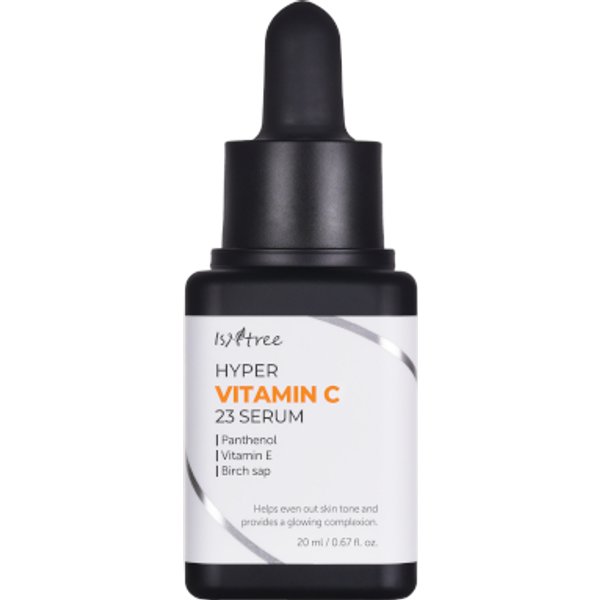 IsntreeHyper Vitamin C 23 Serum - 20ml$9.19Also on YesStyle
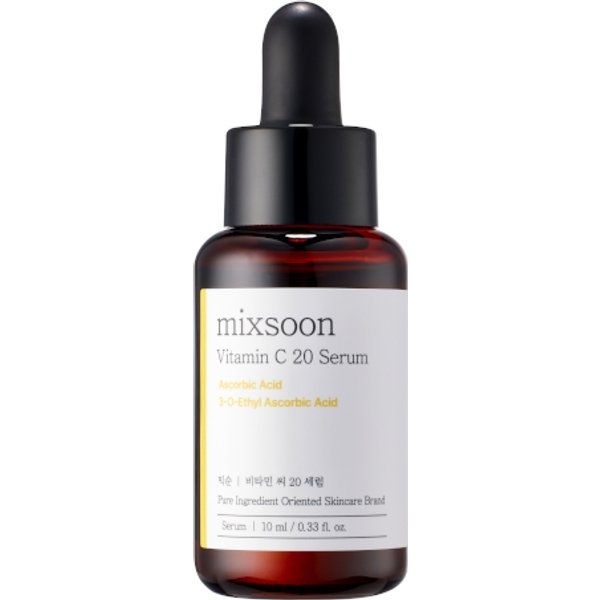 mixsoonVitamin C 20 Serum - 10ml$9.75Also on YesStyle
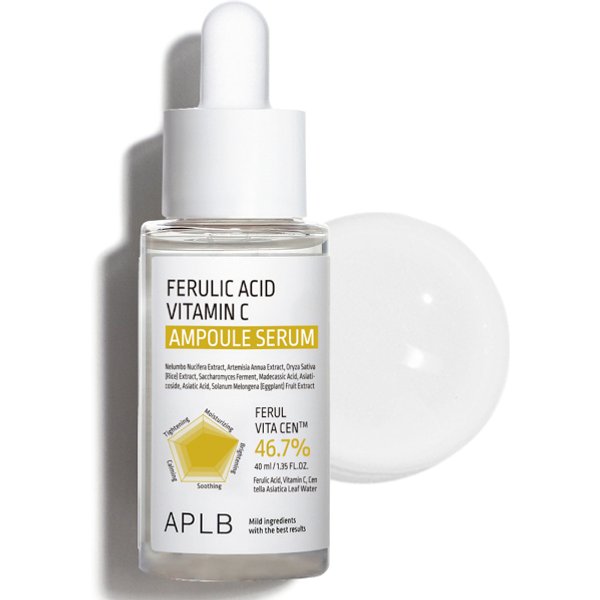 APLBFerulic Acid Vitamin C Ampoule Serum - 40ml$9.80
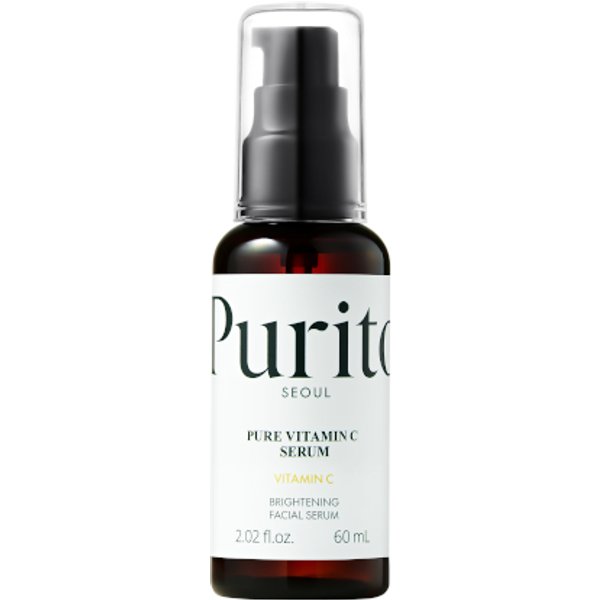 Purito SEOULPure Vitamin C Serum (New) - 60ml$10.80Also on YesStyle
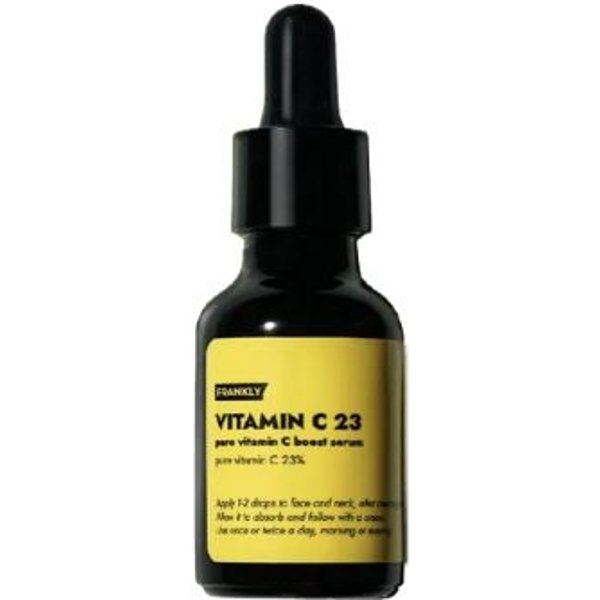 FRANKLYVitamin C 23 Pure Vitamin C Boost Serum - 15ml$12.83Also on Stylevana
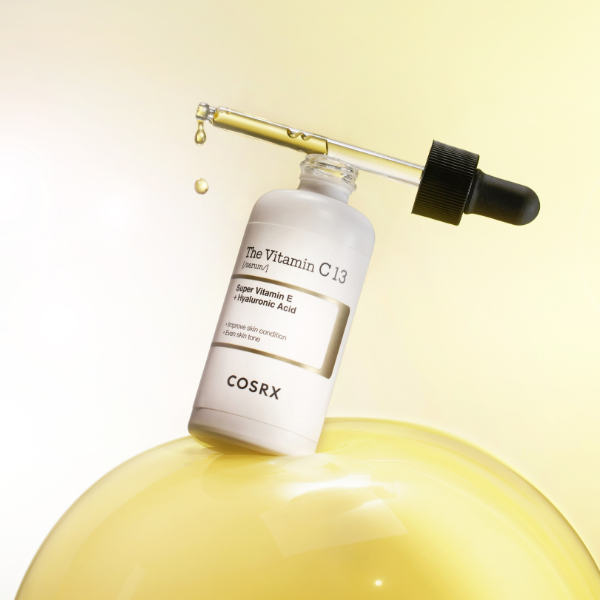 COSRXThe Vitamin C 13 Serum - 20ml$13.28Also on Stylevana
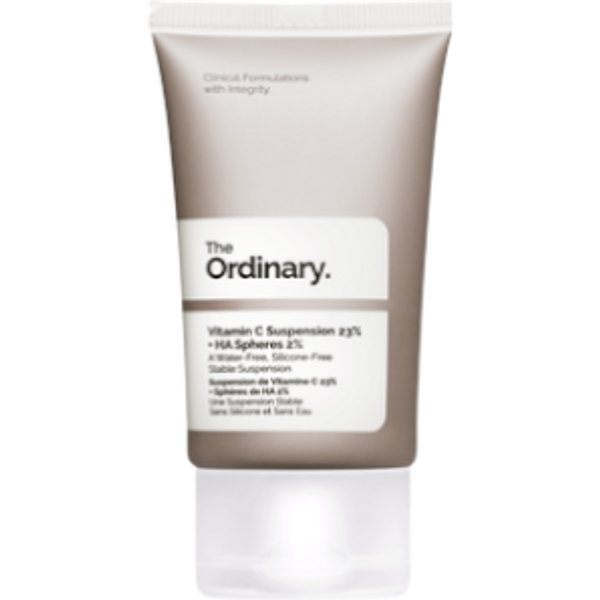 The OrdinaryVitamin C Suspension 23% + HA Spheres 2% - 30ml$16.68
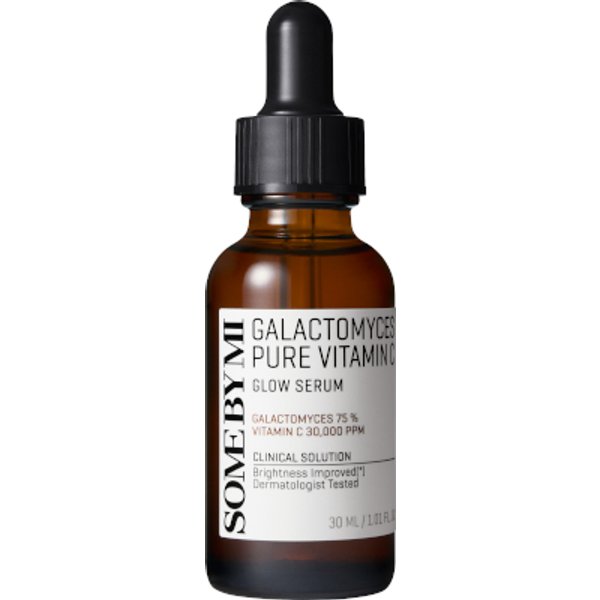 SOME BY MIGalactomyces Pure Vitamin C Glow Serum - 30ml$18.23Also on YesStyle
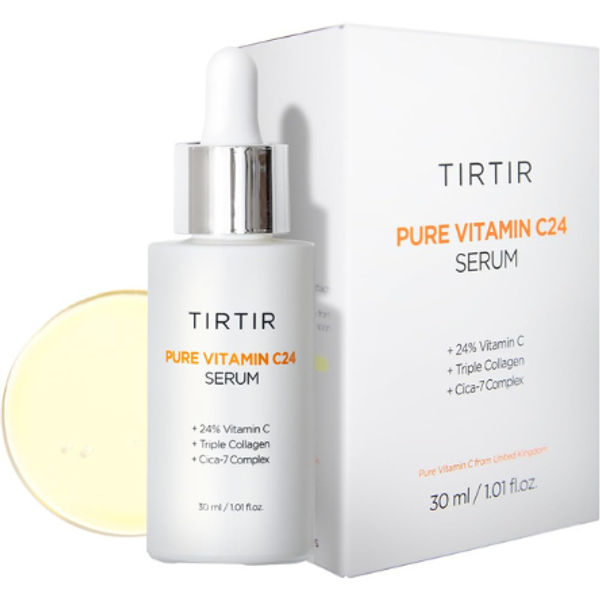 TIRTIRPure Vitamin C24 Serum - 30ml$18.75Also on Stylevana
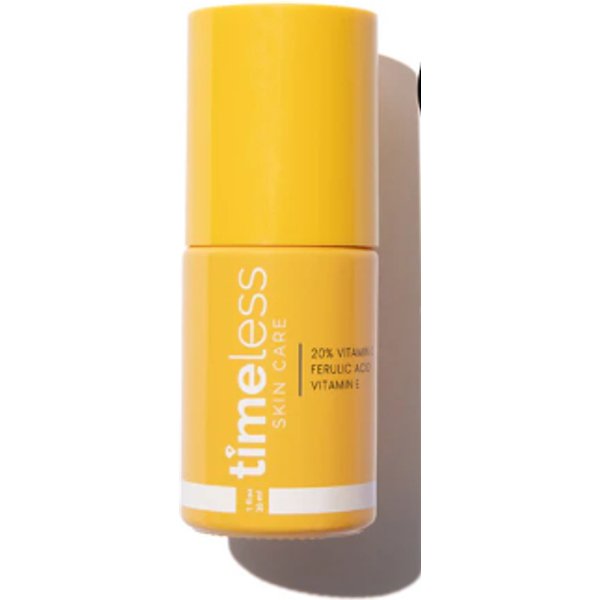 Timeless Skin Care20% Vitamin C + E Ferulic Acid Serum - 30ml$21.69
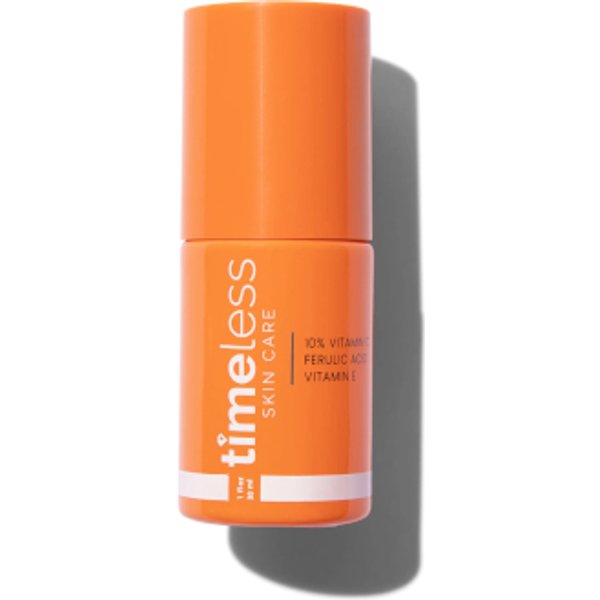 Timeless Skin Care10% Vitamin C + E Ferulic Acid Serum - 30ml$25.16
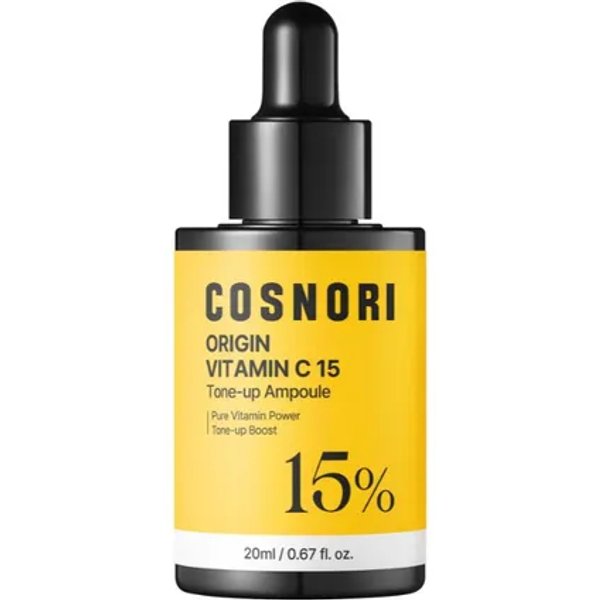 COSNORIOrigin Vitamin C 15 Tone-Up Ampoule - 20ml$27.00
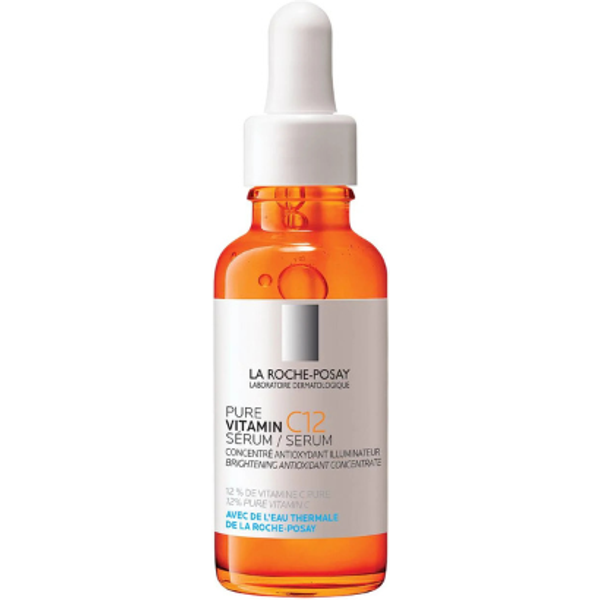 La Roche PosayPure Vitamin C12 Serum - 30ml$37.79
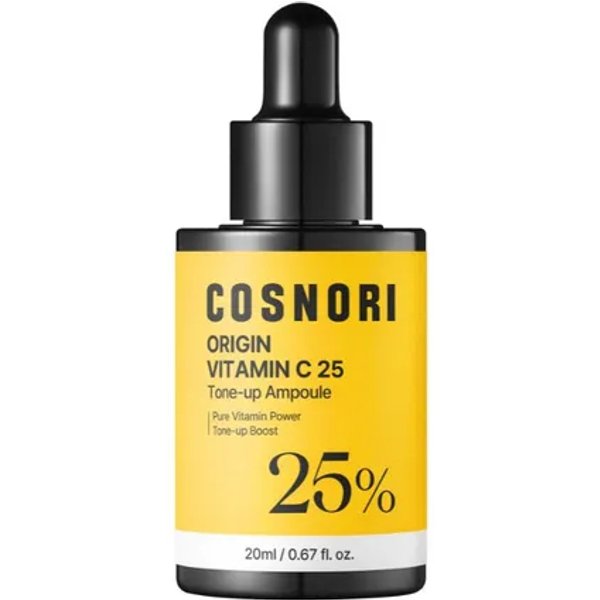 COSNORIOrigin Vitamin C 25 Tone-Up Ampoule - 20ml$38.30Also on Stylevana
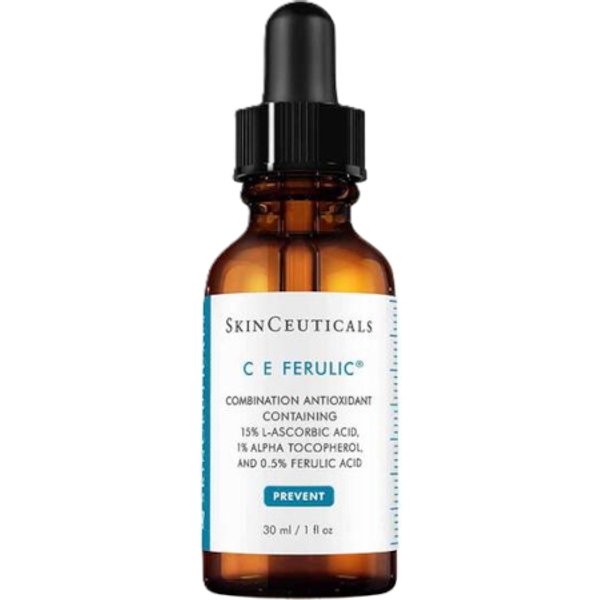 SkinCeuticalsC E Ferulic - 30ml$149.53
Already have one? Check how it fits your skin with Pick.
Common questions about Vitamin C (L-Ascorbic Acid)#
What is Vitamin C (L-Ascorbic Acid)?
- The pure form of vitamin C, an antioxidant that helps dark spots look lighter, tone look more even, and skin look firmer and smoother.
What else is Vitamin C (L-Ascorbic Acid) called?
- On a label you may see Vitamin C, Vit C, L-ascorbic acid, Ascorbic acid and LAA.
When should you apply Vitamin C (L-Ascorbic Acid)?
- Morning.
How often can you use Vitamin C (L-Ascorbic Acid)?
- Daily.
Where do you apply Vitamin C (L-Ascorbic Acid)?
- All over the face. Keep it away from your eyes and lips.
Can you use Vitamin C (L-Ascorbic Acid) around the eyes?
- Yes. Vitamin C (L-Ascorbic Acid) goes all over the face, the skin around the eyes included — keep it out of your eyes and off your lips.
Does Vitamin C (L-Ascorbic Acid) make skin more sensitive to the sun?
- No. Vitamin C (L-Ascorbic Acid) is not flagged as increasing sun sensitivity.
What should you not use with Vitamin C (L-Ascorbic Acid)?
- Not on the same evening as Cysteamine. Space it apart from Exfoliants, Eye-area retinol, Kojic acid and Retinoids.
Who should avoid Vitamin C (L-Ascorbic Acid)?
- Skip it if any of these apply: Fragile or Sensitive. Go slowly with Recent Facial or Laser, Prone to Redness, Dry or Itchy Patches and Recent Shave or Wax.
Is there a cosmetic limit for Vitamin C (L-Ascorbic Acid)?
- No. No cosmetic regulator in the United States, Canada, the European Union or Great Britain sets a maximum strength for it. That is a limit on the rules, not a signal to use more.
Related ingredients#
How we check this#
Everything on this page traces to the sources listed below — regulators' own publications and published studies. Where the evidence does not answer a question, it is left unanswered.
Some sources below are the official product information for prescription medicines, cited for how they interact with this ingredient. We use them for their safety and handling detail only. A cosmetic product is not one of those medicines and is not intended to treat any condition.
Our review is AI-assisted and is not a named expert's opinion. Last reviewed August 6, 2026.
Think something here is out of date or wrong? Email us at wiki@skinintelligence.ai with your reasoning and where you read it. We read what people send, and we update the page when the sources support it.
Regulators and official bodies · 13
- S2CIR Expert Panel. Safety Assessment of Ascorbic Acid and Ascorbates as Used in Cosmetics — Re-Review, released 6 Sep 2024, incorporating the 2005 Final Report (Int J Toxicol. 2005;24(S2):51–111). cir-safety.org/sites/default/files/Ascorbic%20Acid.pdf.
- S23Regulation (EC) No 1223/2009 of the European Parliament and of the Council on cosmetic products, consolidated text applicable from 01.05.2026 (CELEX 02009R1223-20260501), Annexes II–VI. EUR-Lex.
- S24Regulation (EC) No 1223/2009, Annex III, as it has effect in Great Britain. legislation.gov.uk/eur/2009/1223/annex/III.
- S25Health Canada. Cosmetic Ingredient Hotlist: List of Prohibited and Restricted Cosmetic Ingredients. canada.ca.
- S2621 CFR 182.3013 — Ascorbic acid. eCFR.
- S2721 CFR Part 700, Subpart B — Requirements for Specific Cosmetic Products. eCFR.
- S28MotherToBaby (OTIS). Vitamin C fact sheet. mothertobaby.org/fact-sheets/vitamin-c/.
- S29Roaccutane 10 mg / 20 mg soft capsules — Summary of Product Characteristics, §4.4 and §4.5. emc (medicines.org.uk products 100633, 100634).
- S30Differin Gel — Summary of Product Characteristics, §4.2, §4.4, §4.5. emc (medicines.org.uk product 921).
- S31Treclin 1%/0.025% w/w Gel — Summary of Product Characteristics, §4.4 and §4.5. emc (medicines.org.uk product 5371).
- S36Tetralysal 300 mg Hard Capsules (lymecycline) — Summary of Product Characteristics, §4.4 and §4.5. emc (medicines.org.uk product 926).
- S37Deximune 25 mg soft capsules (ciclosporin) — Summary of Product Characteristics, §4.5. emc (medicines.org.uk product 2602).
- S38Methotrexate 2.5 mg Tablets BP — Summary of Product Characteristics, §4.4, §4.5, §4.8. emc (medicines.org.uk product 4608).
Studies and references · 25
- S1Pinnell SR, Yang H, Omar M, Monteiro-Riviere N, DeBuys HV, Walker LC, Wang Y, Levine M. Topical L-ascorbic acid: percutaneous absorption studies. Dermatol Surg. 2001;27(2):137–42. PMID 11207686.
- S3Humbert PG, Haftek M, Creidi P, Lapière C, Nusgens B, Richard A, Schmitt D, Rougier A, Zahouani H. Topical ascorbic acid on photoaged skin. Clinical, topographical and ultrastructural evaluation: double-blind study vs. placebo. Exp Dermatol. 2003;12(3). PMID 12823436.
- S4Nusgens BV, Humbert P, Rougier A, Colige AC, Haftek M, Lambert CA, Richard A, Creidi P, Lapière CM. Topically applied vitamin C enhances the mRNA level of collagens I and III, their processing enzymes and tissue inhibitor of matrix metalloproteinase 1 in the human dermis. J Invest Dermatol. 2001;116(6):853–9. PMID 11407971.
- S5Lin JY, Selim MA, Shea CR, Grichnik JM, Omar MM, Monteiro-Riviere NA, Pinnell SR. UV photoprotection by combination topical antioxidants vitamin C and vitamin E. J Am Acad Dermatol. 2003;48(6):866–74. PMID 12789176.
- S6Lin FH, Lin JY, Gupta RD, Tournas JA, Burch JA, Selim MA, Monteiro-Riviere NA, Grichnik JM, Zielinski J, Pinnell SR. Ferulic acid stabilizes a solution of vitamins C and E and doubles its photoprotection of skin. J Invest Dermatol. 2005;125(4):826–32. PMID 16185284.
- S7Murray JC, Burch JA, Streilein RD, Iannacchione MA, Hall RP, Pinnell SR. A topical antioxidant solution containing vitamins C and E stabilized by ferulic acid provides protection for human skin against damage caused by ultraviolet irradiation. J Am Acad Dermatol. 2008;59(3):418–25. PMID 18603326.
- S8Espinal-Perez LE, Moncada B, Castanedo-Cazares JP. A double-blind randomized trial of 5% ascorbic acid vs. 4% hydroquinone in melasma. Int J Dermatol. 2004;43(8):604–7. PMID 15304189.
- S9Soliman MM, Ramadan SA, Bassiouny DA, Abdelmalek M. Combined trichloroacetic acid peel and topical ascorbic acid versus trichloroacetic acid peel alone in the treatment of melasma: a comparative study. J Cosmet Dermatol. 2007;6(2):89–94. PMID 17524124.
- S10Dayal S, Sahu P, Yadav M, Jain VK. Clinical Efficacy and Safety on Combining 20% Trichloroacetic Acid Peel with Topical 5% Ascorbic Acid for Melasma. J Clin Diagn Res. 2017;11(9). PMID 29207818.
- S11Waibel JS, Mi QS, Ozog D, Qu L, Zhou L, Rudnick A, Al-Niaimi F, Woodward J, Campos V, Mordon S. Laser-assisted delivery of vitamin C, vitamin E, and ferulic acid formula serum decreases fractional laser postoperative recovery by increased beta fibroblast growth factor expression. Lasers Surg Med. 2016;48(3):238–44. PMID 26612341.
- S12Shi Y, Xu S, Zhang W. Reparative Effects of a Topical Antioxidant Serum Containing Vitamin C, Vitamin E, and Ferulic Acid After Ablative Fractional CO2 Laser Treatment for Atrophic Acne Scars: A Randomized, Investigator-Blinded, Split-Face, Controlled Trial. J Cosmet Dermatol. 2026;25(1). PMID 41521693.
- S13Liu C, Boo J, Kim H, Hwang S, Yan X, Brieva P, Kim J, Kim J. A Double-Blinded, Split-Face Clinical Trial Evaluating the Effects of a Vitamin C, E, and Ferulic Acid Serum Combined with Microneedling on Facial Photoaging. Clin Cosmet Investig Dermatol. 2026. PMCID PMC12912124. Conflict of interest: supported by a Yonsei University industry grant from L'Oréal USA; study product supplied by SkinCeuticals; one author was a SkinCeuticals employee at the time of the study.
- S14Friedmann DP, Mehta E, Verma KK, Harris R. Granulomatous Reactions From Microneedling: A Systematic Review of the Literature. Dermatol Surg. 2025;51(3):263–266. PMID 39584690.
- S15Bjerring P, Draelos ZD, Fabi SG, Goodman GJ, Hau KC, Haus A, Heydenrych I, Kim J, Lin LC, Sayed K, Sundaram H, Tsubouchi R, et al. International Expert Consensus on Integrated Skincare Active Ingredients for Pretreatment and Posttreatment Use With Medical Aesthetic Procedures to Enhance Skin Benefits. J Cosmet Dermatol. 2026;25(5):e70880. PMID 42087526.
- S16Goodman G, Yip L, McDonald C, Lin F, Liu W, Sullivan J. Recommendations on Periprocedural Skincare for Energy-Based Dermatologic Procedures. Aesthet Surg J Open Forum. 2025;7:ojaf039. PMID 40575009.
- S17Jaros-Sajda A, Budzisz E, Erkiert-Polguj A. Ascorbic Acid Treatments as Effective and Safe Anti-Aging Therapies for Sensitive Skin. Antioxidants (Basel). 2024;13(2):174. PMID 38397772.
- S18Telang PS. Vitamin C in dermatology. Indian Dermatol Online J. 2013;4(2):143–6. PMID 23741676.
- S19Ravetti S, Clemente C, Brignone S, Hergert L, Allemandi D, Palma S. Ascorbic Acid in Skin Health. Cosmetics. 2019;6(4):58. doi:10.3390/cosmetics6040058.
- S20Ahmad I, Mobeen MF, Sheraz MA, Ahmed S, Anwar Z, Shaikh RS, Hussain I, Ali SM. Photochemical interaction of ascorbic acid and nicotinamide in aqueous solution: A kinetic study. J Photochem Photobiol B. 2018;182. PMID 29660587.
- S21Schreml S, Meier RJ, Albert MG, Seidl U, Zeller V, Behm B, Landthaler M, Abels C, Babilas P. The impact of 10% α-hydroxy acid emulsion on skin pH. Skin Pharmacol Physiol. 2012;25(1):34–8. PMID 21912201.
- S22Lukic M, et al. Formulation of topical acidic products and acidification of the skin — Contribution of glycolic acid. Int J Cosmet Sci. 2021;43(4):419–431. PMID 33864274. (Cited as printed on the record — "Milica Lukic et al."; the full co-author list could not be confirmed from the retrieved record.).
- S32Kim KP, Shin KO, Park K, Yun HJ, Mann S, Lee YM, Cho Y. Vitamin C Stimulates Epidermal Ceramide Production by Regulating Its Metabolic Enzymes. Biomol Ther (Seoul). 2015;23(6). PMID 26535077.
- S33Wang K, Jiang H, Li W, Qiang M, Dong T, Li H. Role of Vitamin C in Skin Diseases. Front Physiol. 2018;9. PMCID PMC6040229.
- S34Boo YC. Ascorbic Acid (Vitamin C) as a Cosmeceutical to Increase Dermal Collagen for Skin Antiaging Purposes: Emerging Combination Therapies. Antioxidants (Basel). 2022;11(9). PMCID PMC9495646.
- S35Herndon JH Jr, Jiang LI, Kononov T, Fox T. An Open Label Clinical Trial to Evaluate the Efficacy and Tolerance of a Retinol and Vitamin C Facial Regimen in Women With Mild-to-Moderate Hyperpigmentation and Photodamaged Facial Skin. J Drugs Dermatol. 2016;15(4):476–82. PMID 27050703. [DERIVATIVE — tetrahexyldecyl ascorbate; evidence about 4.1, cited here only to explain its exclusion.].